-

Remote working has become a retention issue for UK employers. King’s College London research finds fathers increasingly view home working as part of family infrastructure, despite continuing career penalties around visibility.
-

British farming faces another commercial strain from post-Brexit trade shifts. Cheaper imports, weaker EU trade flows, subsidy reform, labour limits, and volatile input costs are sharpening questions over domestic food production.
-

Sovereign investors are moving closer to energy and gold assets. A new Invesco survey says geopolitical disruption, concern over the dollar, and weakening bond-equity diversification are reshaping reserve and sovereign wealth portfolios.
-

Flexible plastic packaging is entering a tougher compliance phase globally. New recycling rules, design requirements, and infrastructure gaps are forcing major consumer-goods companies to rethink wrappers, pouches, sachets, and films.
-

Central banks have warned that market resilience is becoming thinner. The BIS says AI investment, fragile bond-market liquidity, inflation risks, and strained public finances are creating a tougher policy environment for governments, investors, and companies.
-

Extreme heat is becoming a workplace planning issue for employers. HSE has warned companies to assess and manage heat risks as alerts raise fresh duty-of-care and productivity concerns.
-
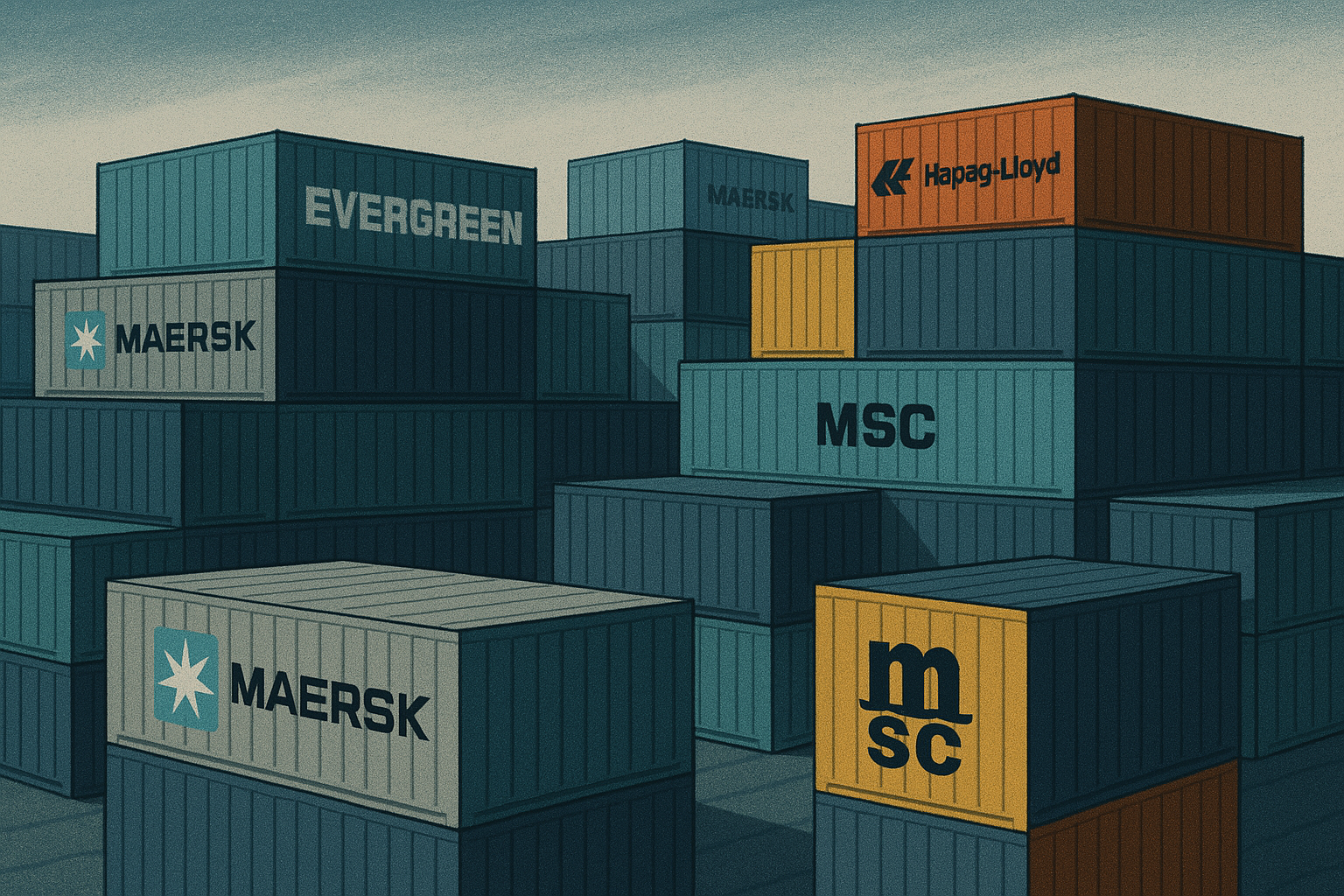
Prime Day returns are becoming a reverse-logistics stress test again. Manhattan Associates research estimates UK shoppers could return 61 million items after this year’s Amazon event.
-

Sainsbury’s retail media push signals a broader marketing shift now. Nectar360 Pollen is reporting early performance gains as supermarkets turn loyalty data, measurement, and in-store media into strategic revenue streams.
-

Audit sanctions sharpen independence warnings for finance and governance leaders. The FRC has penalised King & King and Milankumar Patel over GFG Alliance audits, citing fee dependency, ethical breaches, and audit failures.
-
Britain’s tax gap is widening despite stronger enforcement ambitions again. HMRC estimates £59.2bn went unpaid in 2024 to 2025, with small businesses accounting for the largest share.
