
-

Public-speaking nerves can undermine confidence in everyday workplace situations too. Dr Alexander McWilliam shares practical techniques for managing anxiety, building speaking confidence gradually, and performing more effectively under pressure.
-

Workplace suicide prevention is becoming an urgent board-level governance priority. MHFA England CEO Sarah McIntosh argues BS 30480 gives employers a framework to connect trained staff, escalation pathways, and executive accountability before workplace support breaks down.
-

Product integration can make brands part of stories audiences remember. Toni Gaventa, VP of Global Entertainment at BAM, explains why thoughtful screen integration can deliver cultural relevance, longevity, and stronger audience connection without disrupting the entertainment itself.
-
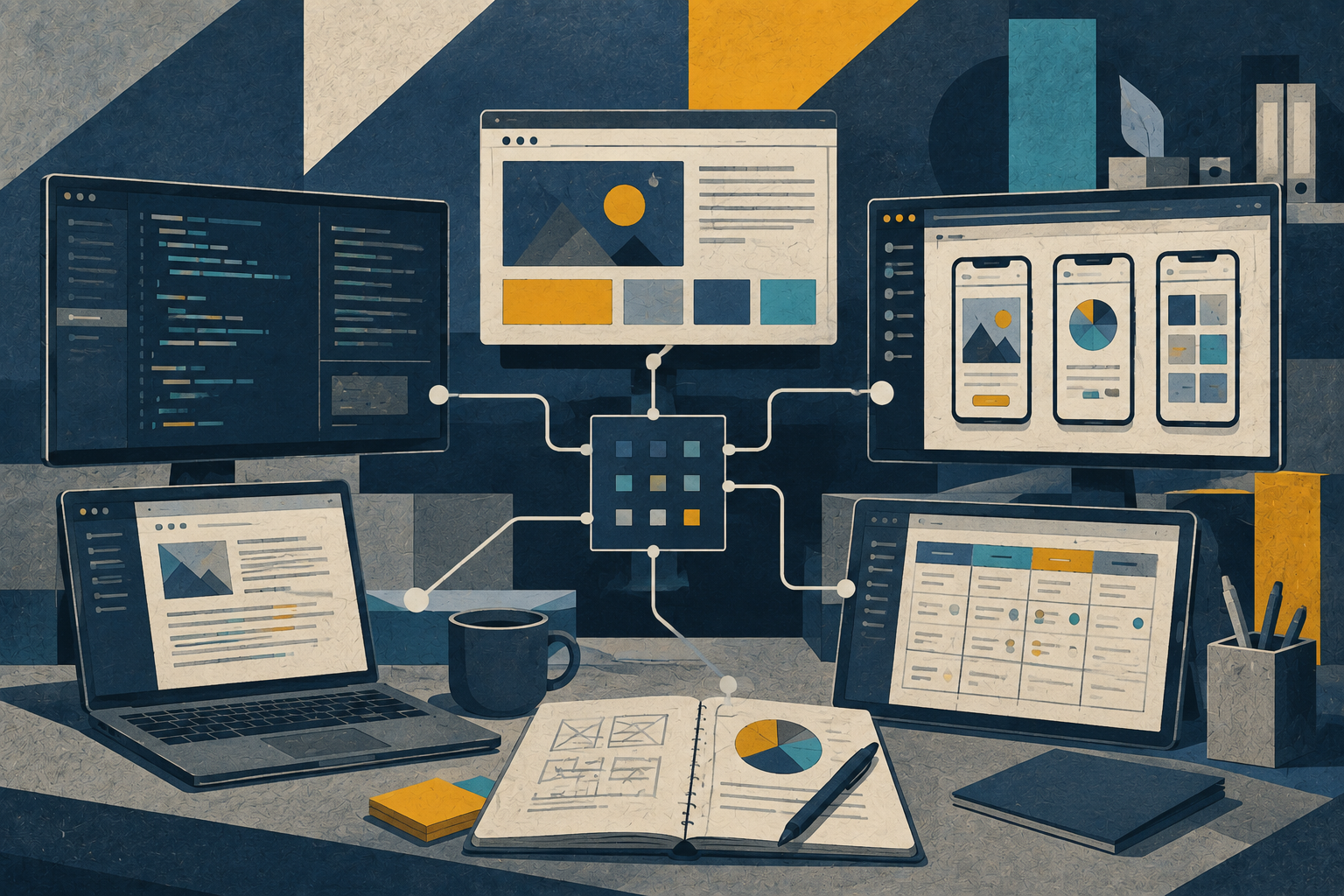
AI is reshaping hiring expectations across fast-moving technology companies today. Ben Potter, Product — OSS & Developer Relations at Coder, argues that AI is raising the value of judgement, communication, curiosity, and demonstrable impact rather than simply increasing output.
-
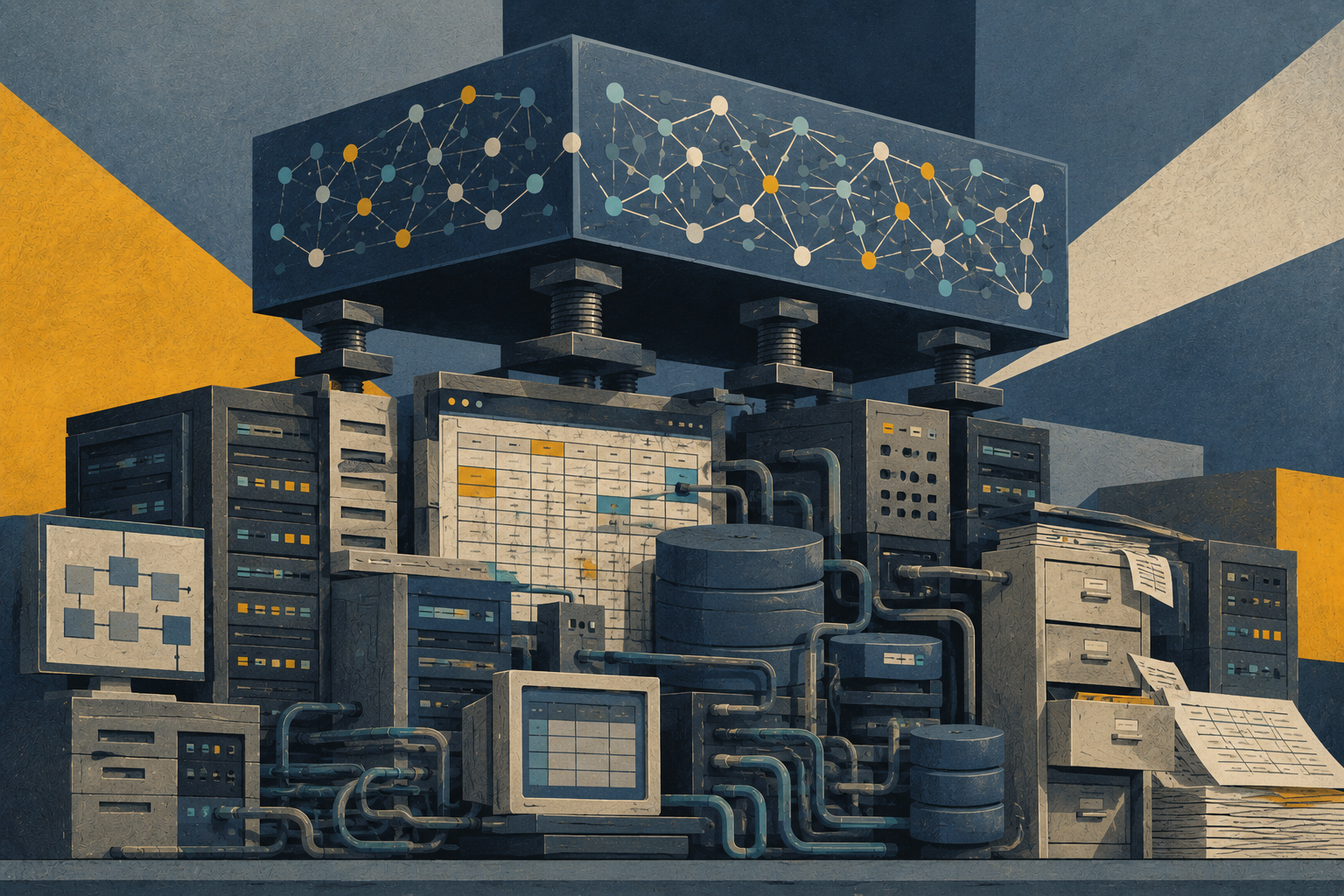
AI confusion is pushing businesses towards costly technology investment mistakes. Bobby Brown, founder and CEO of Nucleo, argues that understanding the difference between artificial intelligence and intelligent automation is essential to choosing technology that solves the right business problem.
-

Relentless performance cultures can ultimately undermine the results they seek. Adolfo Gomez Sanchez, CEO of GOLD Results, explains why balancing work, nutrition, and recovery is essential to sustaining high performance without driving corporate burnout.
-

Everyday travel decisions can wear down an organisation’s financial resilience. Sophie Fleming, global head of Trainline Business, explains how simpler booking systems can reduce hidden overspend, save time, and support better decisions.
-

The debate over youth social media use is reaching businesses too. Dan Gee, Co-Founder and Chief Strategy Officer of MFM, argues that the UK under-16 social media ban exposes deeper questions about public trust and the long-term sustainability of engagement-driven business models.
-

Business travel planning is becoming a resilience issue for employers. Sophie Fleming, Global Head of Trainline Business, argues that rail should be embedded into everyday decision-making, not kept as a fallback when disruption hits.
-

Workplace loneliness can persist even when colleagues are close by. Chris Britton, People Experience Director at Reward Gateway | Edenred, examines six questions that can help employees identify disconnection and rebuild healthier workplace connections.