
-

Drax has lifted earnings expectations after expanding renewable generation capacity. The group expects 2026 adjusted EBITDA near the top of consensus forecasts as it integrates its £561m Bluefield Solar Income Fund acquisition.
-

Scotland has tightened planning controls on large data centre developments. Mandatory environmental assessments above 50MW have been followed by a temporary pause on hyperscale decisions while national guidance is prepared.
-
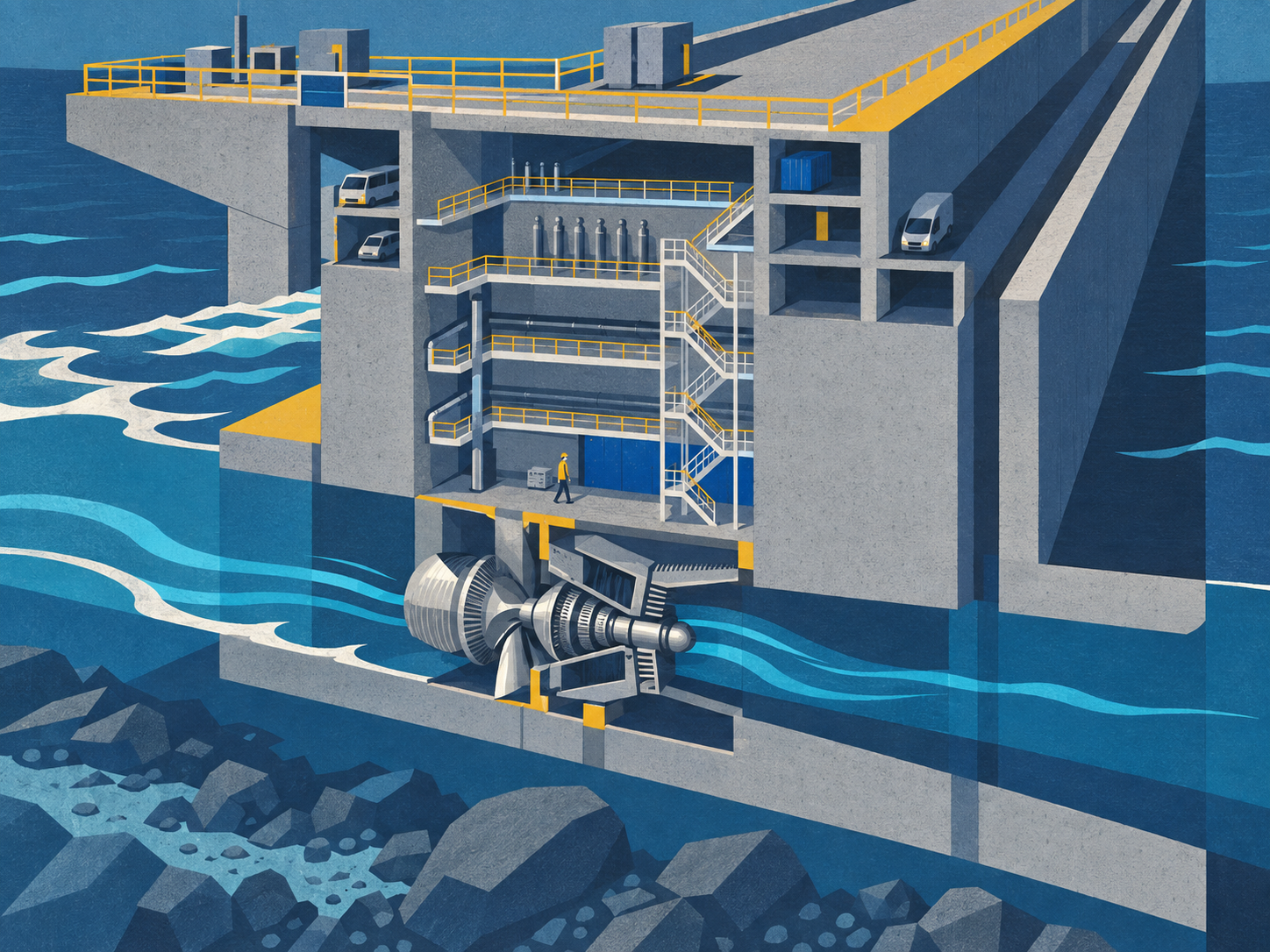
Cardiff Capital Region has backed detailed work on tidal power. Up to £6.4m will fund studies into an Aberthaw lagoon that could eventually generate around 600MW and support a substantial South Wales supply chain.
-

Scotland is backing 22 projects to accelerate its energy transition. The £17.5m funding round is expected to create or support more than 500 jobs, train 350 people annually, and leverage another £10m privately.
-

Brussels is reviewing VAT rules to support circular business models. The consultation covers second-hand goods, destruction of viable products, and business-vehicle deductions ahead of possible amendments to the EU VAT Directive.
-

European wind manufacturers are gaining fresh backing through bank guarantees. A €250m EIB commitment will allow Danske Bank to provide up to €500m in guarantees supporting equipment production and delivery across the sector.
-

EU auditors warn Russian energy exit investment remains insufficient today. The assessment raises questions over infrastructure spending, gas security, and the resilience of Europe’s post-Russian energy system.
-

Engineers are warning of cascading risks across critical UK infrastructure. New research argues that resilience planning must account for compound extreme-weather events and failures spreading between power, water, transport, telecoms, healthcare, food, and digital systems.
-

Plug-in solar is now legal for households across Great Britain. Approved kits can generate up to 800W, opening a new distributed-energy market for manufacturers, retailers, installers, and network operators.
-
Certain Energy has raised £10m to commercialise long-duration battery technology. The Imperial spinout will expand UK research, develop a grid-connected system in India, and build a supply chain for manganese flow batteries.