-

Plug-in solar is now legal for households across Great Britain. Approved kits can generate up to 800W, opening a new distributed-energy market for manufacturers, retailers, installers, and network operators.
-

Italy has requested €8bn from Europe’s SAFE defence funding scheme. The EU-backed loan programme is designed to accelerate joint procurement and expand Europe’s industrial capacity for defence equipment.
-

Qatar’s LNG export collapse is tightening Europe’s energy security outlook. Alternative US supply has partly filled the gap, but unusually low European storage leaves businesses exposed to further price and supply pressure.
-

Government has launched a new forum to expand creative exports. The Creative Trade Forum is accompanied by £10m of Innovate UK funding aimed at helping creative-technology companies scale and reach overseas markets.
-
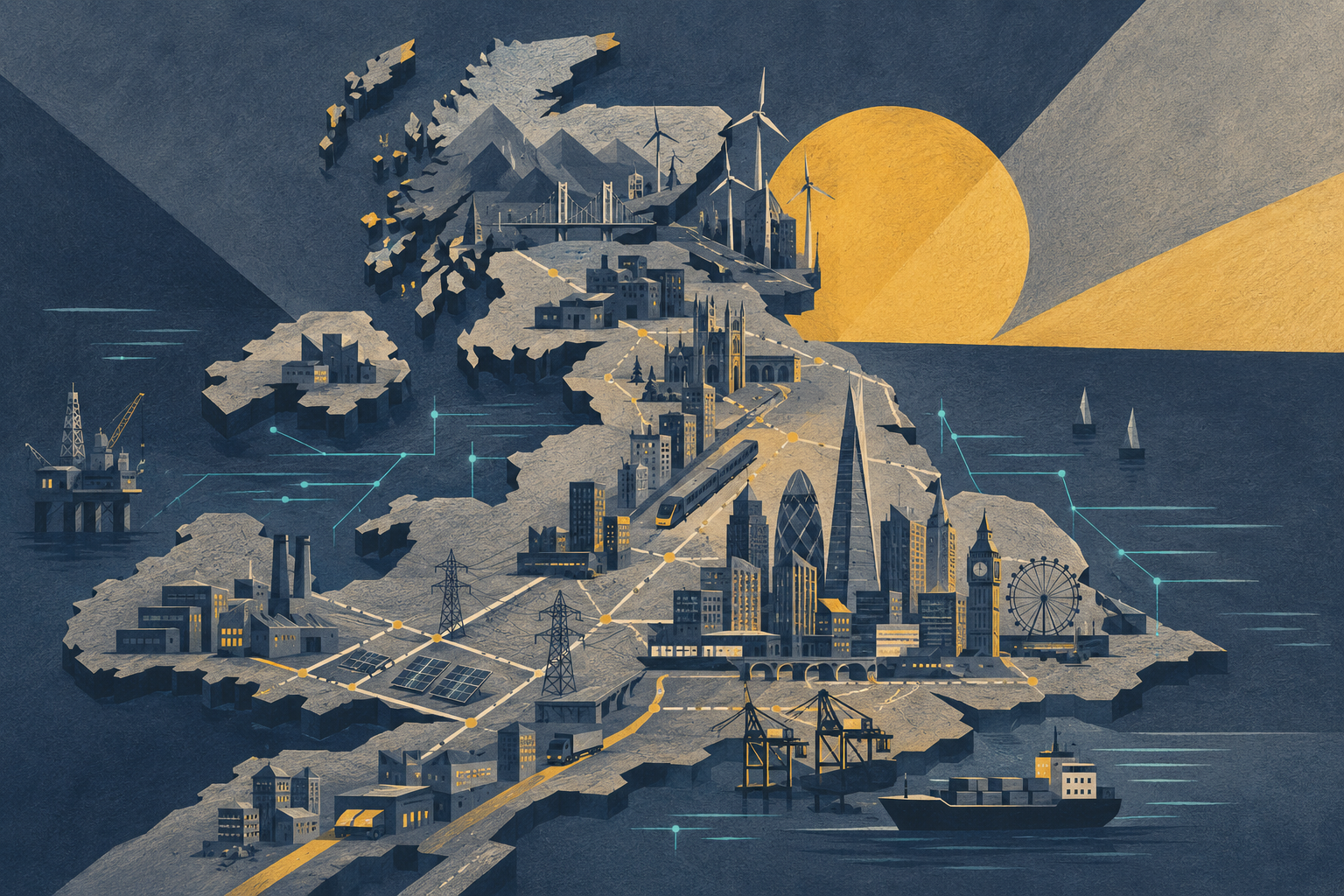
UK retailers reported a sharp deterioration in August sales volumes. The CBI sales balance fell to -48, although investment intentions improved and businesses expect the decline to moderate in September.
-

Berlin will meet UniCredit directly over its Commerzbank takeover push. The September meeting marks Germany’s first formal engagement with chief executive Andrea Orcel during the two-year banking consolidation battle.
-
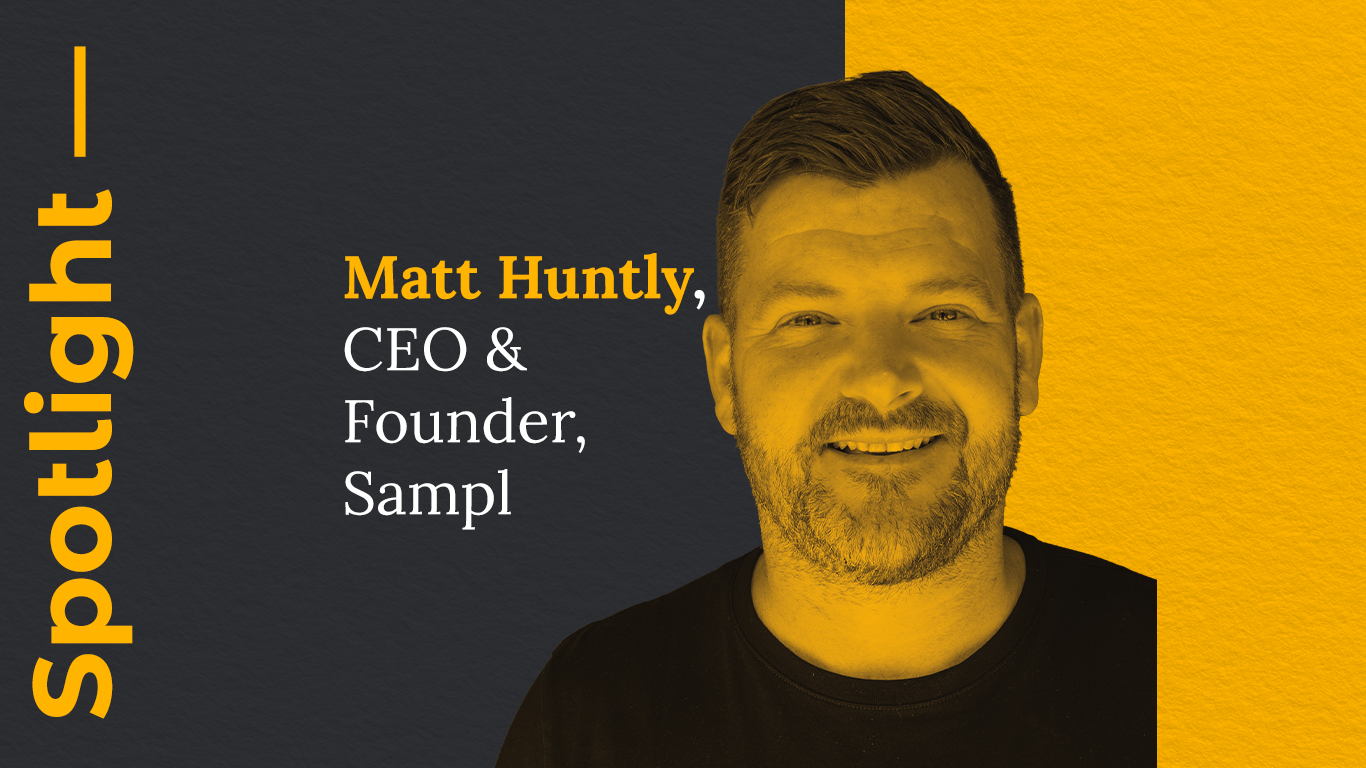
Matt Huntly is scaling Sampl through sharper product sampling measurement. The founder and CEO discusses customer intent, data discipline, founder transition, and international growth across 35 markets.
-

Certain Energy has raised £10m to commercialise long-duration battery technology. The Imperial spinout will expand UK research, develop a grid-connected system in India, and build a supply chain for manganese flow batteries.
-

Britain’s Fair Work Agency has expanded its exploitation enforcement remit. Updated policy clarifies its modern-slavery role and use of Fraud Act offences where serious worker exploitation falls below the slavery threshold.
-

Germany is targeting stronger growth through reform and infrastructure spending. Chancellor Friedrich Merz wants expansion of at least 1% next year as Berlin deploys capital from its €500bn infrastructure programme.
