Qatar’s liquefied natural gas exports have fallen by about 96% during six months of Middle East conflict, tightening global gas supply and leaving Europe approaching winter with unusually low storage levels.
Only 18 Qatari LNG cargoes were exported over the six-month period examined in shipping data, compared with 509 during the equivalent period a year earlier.
The disruption is estimated to have cost Qatar around $24bn in lost gas exports while forcing customers in Europe and Asia to find replacement supplies from the United States and other producers.
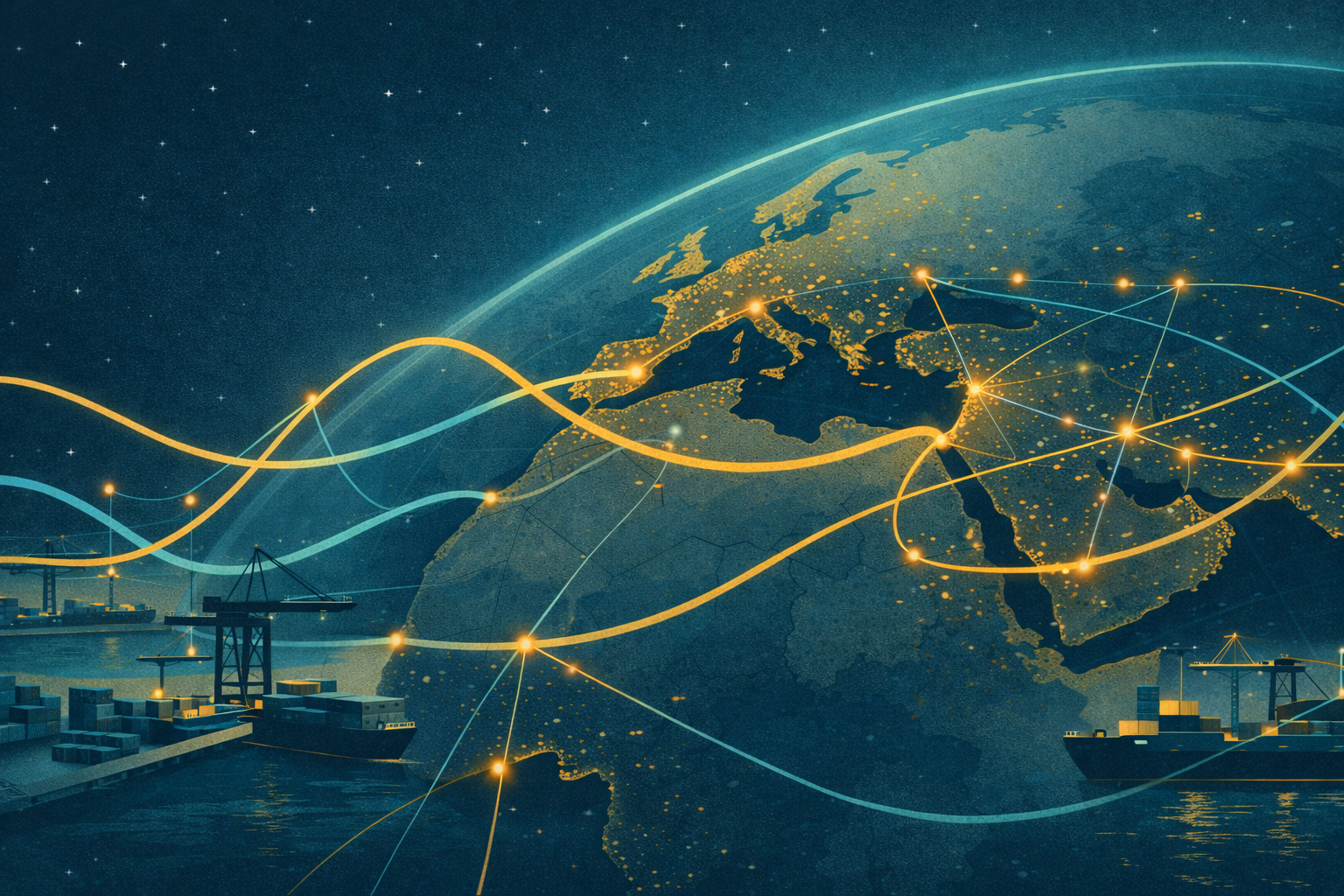
Qatar is particularly exposed because much of its LNG trade relies on ships passing through the Strait of Hormuz. Other Gulf energy producers have alternative pipeline routes for part of their oil output, but LNG cargoes have fewer practical options when maritime access is restricted.
Before the conflict, Qatar accounted for close to a fifth of global LNG supply. A disruption on that scale therefore affects pricing and availability well beyond its existing long-term customers.
US producers have absorbed part of the gap. American LNG exports were running around 23% above the previous year through July, increasing the country’s importance as a flexible supplier able to redirect cargoes towards markets offering higher prices.
Europe nevertheless enters the next heating season with a smaller buffer than usual. Gas-storage levels are low for the time of year, increasing dependence on continuous imports if winter demand is strong.
Storage does not remove exposure to global prices, but higher inventories reduce the amount of gas that needs to be purchased immediately during periods of disruption. Lower stocks have the opposite effect.
The situation illustrates how Europe’s energy exposure has changed since Russian pipeline flows fell sharply after the invasion of Ukraine. Governments built new LNG import capacity and diversified suppliers, reducing dependence on one source while increasing participation in a global seaborne market.
That market is more flexible but also more competitive. European utilities can obtain cargoes from a wider range of countries, yet they compete directly with Asian buyers for the same supply.
When availability tightens, LNG can be redirected towards the destination offering the strongest commercial return. A European supply problem can therefore become a price problem before it becomes an outright physical shortage.
Energy-intensive manufacturers remain among the most exposed businesses. Chemicals, fertiliser, ceramics, glass, metals, paper, and food production can experience rapid changes in margins when gas prices rise.
The effect spreads further through electricity, logistics, materials, and supplier contracts. Companies that use little gas directly can still encounter higher operating costs as energy prices work through the wider economy.
Larger industrial groups frequently use hedging to reduce short-term exposure, but those protections expire. A prolonged period of higher prices eventually affects new contracts and purchasing decisions.
Smaller businesses generally have fewer resources to manage that volatility and can face substantial changes when fixed energy agreements come up for renewal.
European storage levels will therefore become an important market indicator through the autumn. The speed at which inventories can be rebuilt depends on demand, LNG arrivals, pipeline flows, weather, and competition for cargoes.
The US supply response demonstrates the benefit of geographical diversification, but concentration risk has not disappeared. Global LNG still depends on a relatively small number of export facilities, shipping routes, and large producers.
The infrastructure supporting the European market is similarly interconnected. LNG terminals, storage sites, pipelines, electricity interconnectors, and port facilities form part of a wider resilience system whose individual components can become bottlenecks.
Longer term, expansion in renewable electricity, storage, nuclear generation, energy efficiency, and electrification can reduce Europe’s dependence on gas. In the immediate economy, however, gas continues to provide household heating, industrial energy, and flexible electricity generation.
Companies are therefore operating through two energy transitions at once: investment in a lower-carbon system and continued exposure to disruption within the fossil-fuel infrastructure still required to keep production and power markets functioning.
The Qatari disruption has made that dependence unusually visible. Europe’s position through winter will depend on whether alternative exporters can continue filling the gap while storage is rebuilt without another substantial escalation in wholesale prices.