
-
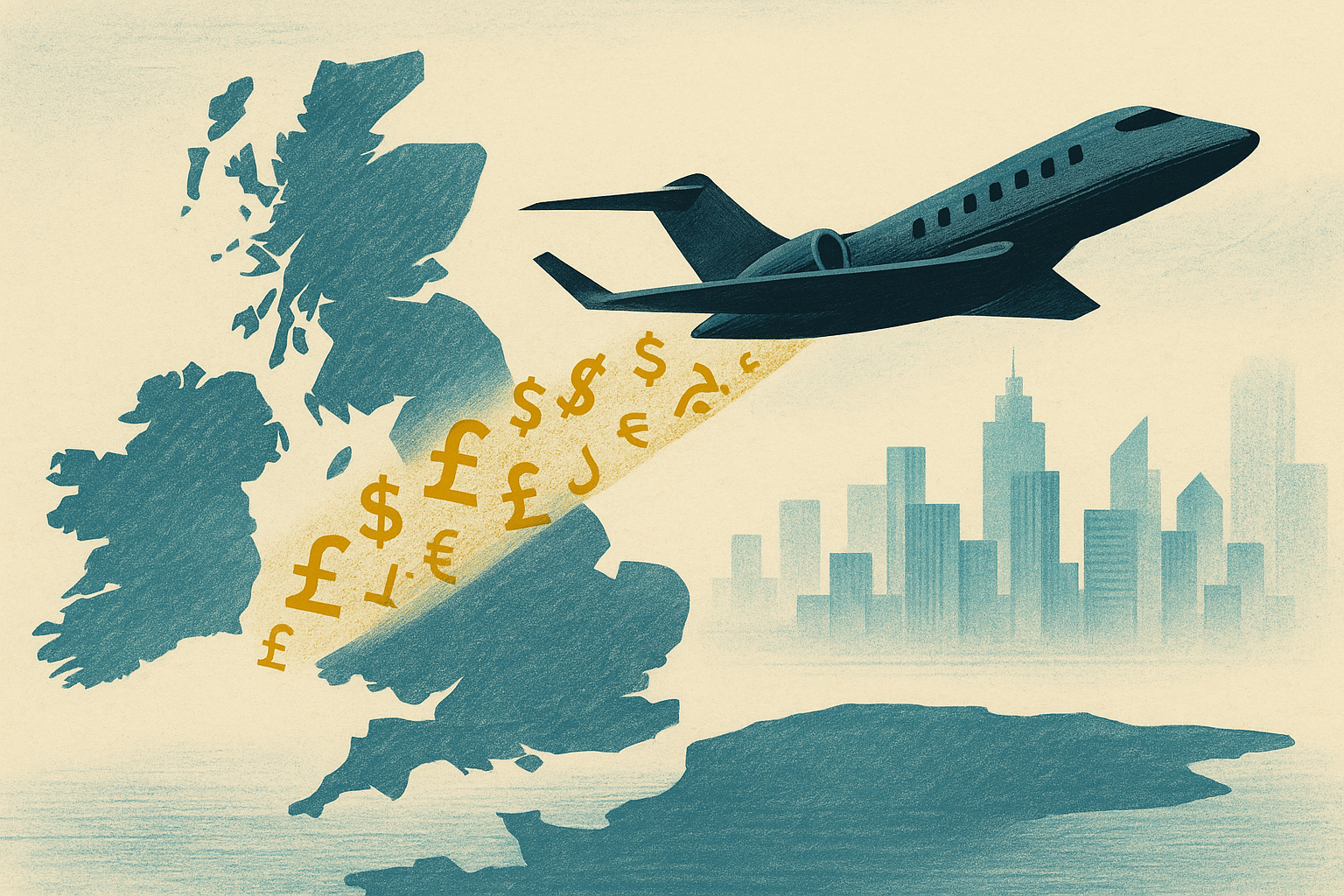
The UK set to lose more millionaires than any country. A report indicates 16,500 millionaires will exit Britain by 2025. This trend highlights concerns over the UK’s economic competitiveness and tax environment, potentially impacting the nation’s wealth retention and economic health.
-

Big Four firms cut graduate roles due to AI automation. Deloitte, EY, KPMG, and PwC have reduced graduate recruitment by up to a third, driven by AI adoption and cost-cutting measures, impacting the traditional entry-level job market.
-

The UK government initiates consultations to standardise climate transition plans. New reporting standards aim to enhance investor confidence and transparency, driving billions in private clean energy investment while positioning the UK as a leader in transition finance and global competitiveness.
-

UK executives face record stress levels. New Icertis research shows tariffs, regulatory shifts, and the scramble to keep pace with AI are placing UK C-suites under mounting pressure — with nearly 90% expecting tariffs to dent the bottom line, and four in five struggling to assess AI investment impact.
-

UK Government unveils new £380m investment in creative sector support. The funding targets film, music, video games, and regional creative clusters — aiming to double private investment, support innovation and jobs, and anchor the creative economy within the forthcoming ten‑year industrial strategy.
-
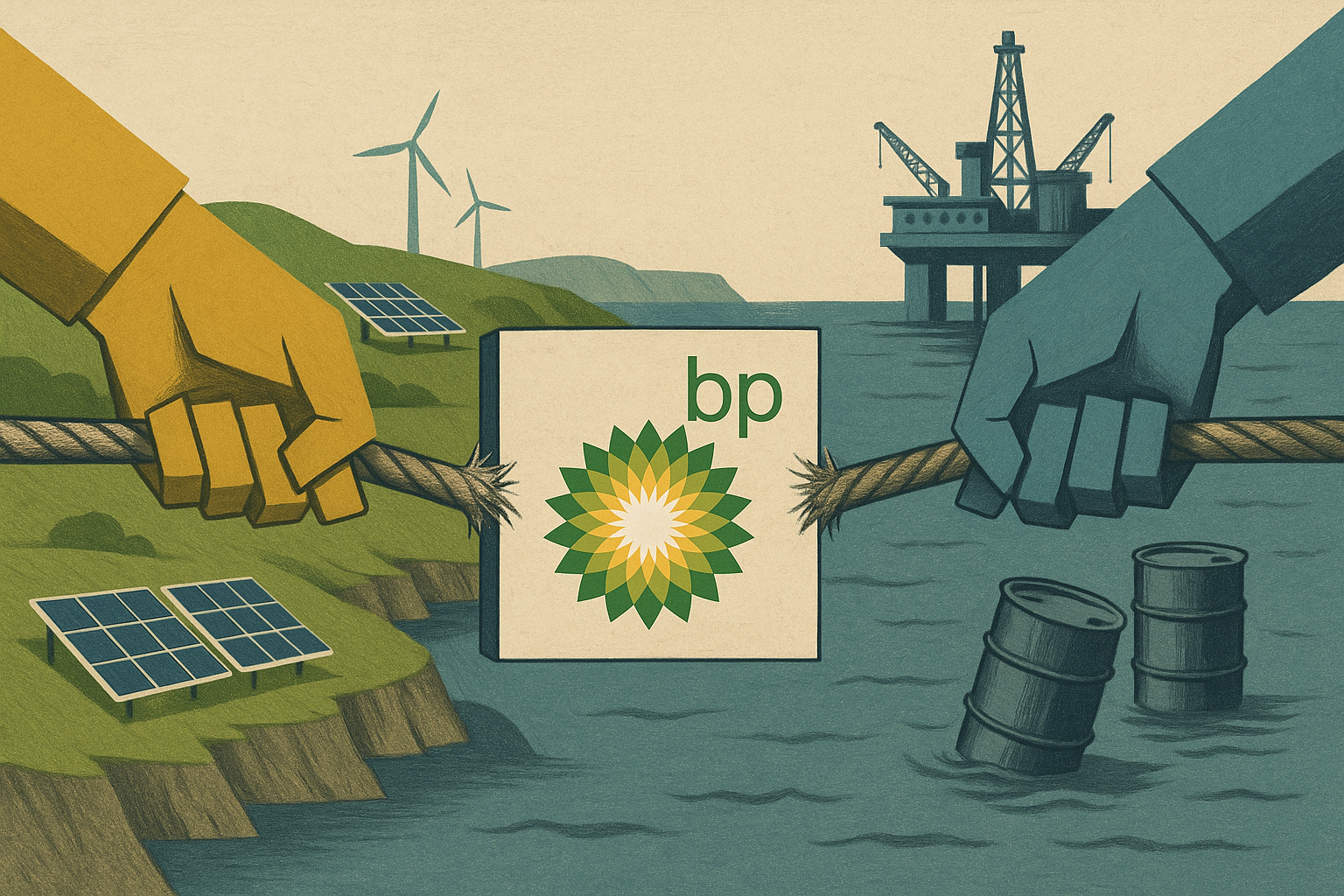
Sam Laidlaw in talks for chairmanship amid strategic shifts. The former Centrica CEO’s discussions to succeed Helge Lund as BP chairman come at a tense time as BP faces shareholder pressure to accelerate its strategic transformation. Activist investor Elliott Management has urged BP to abandon renewable commitments, sparking shareholder dissent.
-

Global buyers kept pressure on UK assets this week. Energy, aerospace, and logistics sectors drew inbound interest, while regulators moved to scrutinise the world’s biggest ad merger. From Wincanton to Ricardo, cross-border momentum remains high despite tighter oversight.
-

UK job adverts rise slightly in May. The Recruitment and Employment Confederation reported a 0.3% increase in new job adverts, while active postings fell by 1.8%, indicating a sluggish market amid economic challenges and rising employer costs.
-
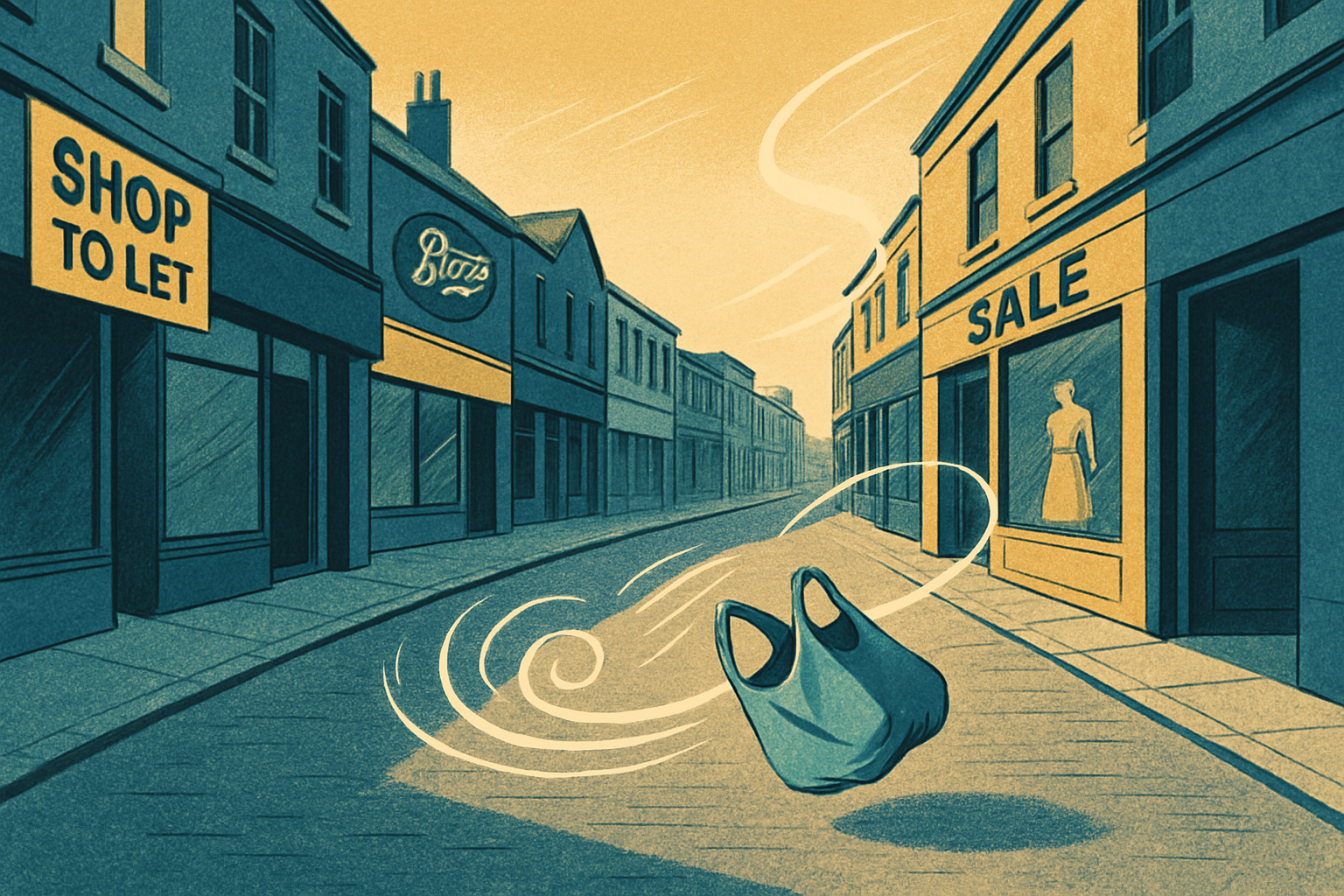
UK retail sales fell sharply in May. Retail volumes dropped by 2.7% amid reduced spending on food and clothing, marking the steepest decline in 18 months. Analysts attribute the fall to weaker supermarket performance and persistent inflationary pressures.
-

Government borrowing rose to £17.7bn in May. This marked the second-highest May figure in over three decades, exceeding expectations and reigniting debate over the UK’s fiscal path. While tax receipts continue to climb, the persistent deficit and pressure to fund public services suggest the Chancellor may soon face difficult decisions on taxation.