
-

Labour is reconsidering how far UK-EU economic alignment can go. Ministers are weighing practical cooperation on electricity, emissions, and trade frictions while keeping formal Brexit red lines in place for this parliament.
-

Carmakers are seeking more time before tougher EV trade rules. Industry groups warn local battery supply chains cannot yet meet UK-EU origin thresholds due on 1 January 2027, raising fresh questions over electric vehicle investment, costs, and competitiveness.
-

UK accountants are fielding more questions on European expansion routes. New e-Residency research suggests digital-first structures are now being recommended ahead of traditional EU subsidiaries by more advisers.
-

US forced-labour tariffs would test exporters’ supply-chain due diligence. Washington’s proposal could turn modern slavery controls into a direct trade, pricing, and customs exposure for UK companies.
-
The UK is accelerating efforts to implement its India agreement. Ministers say the free trade deal will slash tariffs and support a trading relationship already worth £48bn.
-

Tech West England expands China trade mission plans for 2026. The programme pairs a November mission to Guangzhou, Shenzhen, and Hong Kong with a June UK Market Discovery Tour timed to London Tech Week.
-

Metro Bank is expanding hedging tools for business customers further. The bank’s new FX Forwards offer, powered by Equals Money, is designed to help corporate and commercial clients manage exchange-rate risk and plan payments with greater certainty.
-

Vamoosh is taking its pet-hair technology into Target stores nationwide. The British homecare brand said its US rollout comes as it celebrates 10 years of growth, patent expansion, and a broader range of laundry and cleaning products.
-
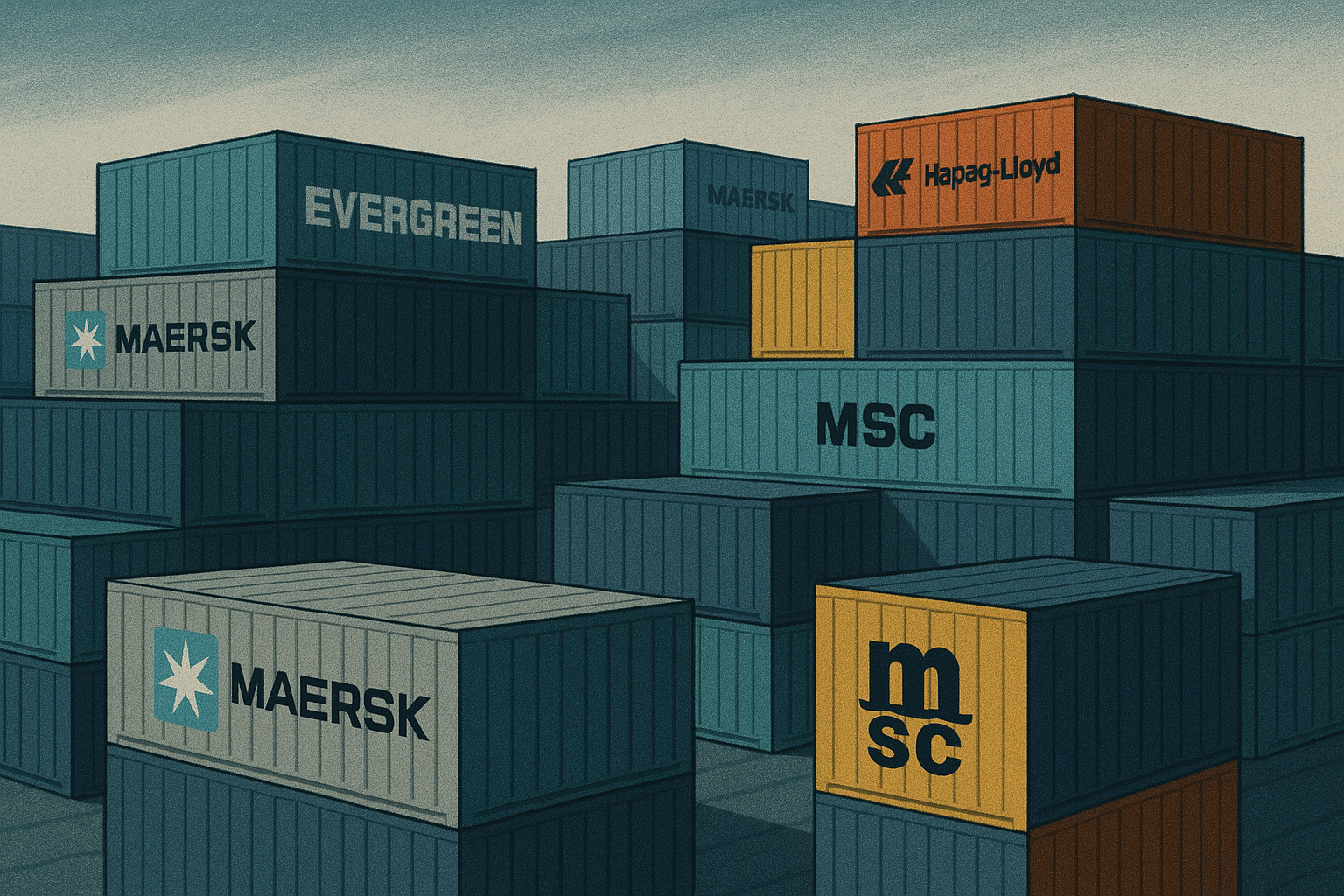
US tariffs trigger sharp drop in British exports to America. New trade barriers cut the value of UK goods shipped to the US by more than 10% in 2025, with clothing, footwear, artworks, and cars among the sectors recording the steepest declines.
-

Washington may tie AI chip exports to investment at home. The proposed framework would extend export-control scrutiny to allies, raising fresh questions for companies planning data centre buildouts, sovereign AI capacity, and long-term access to advanced compute.