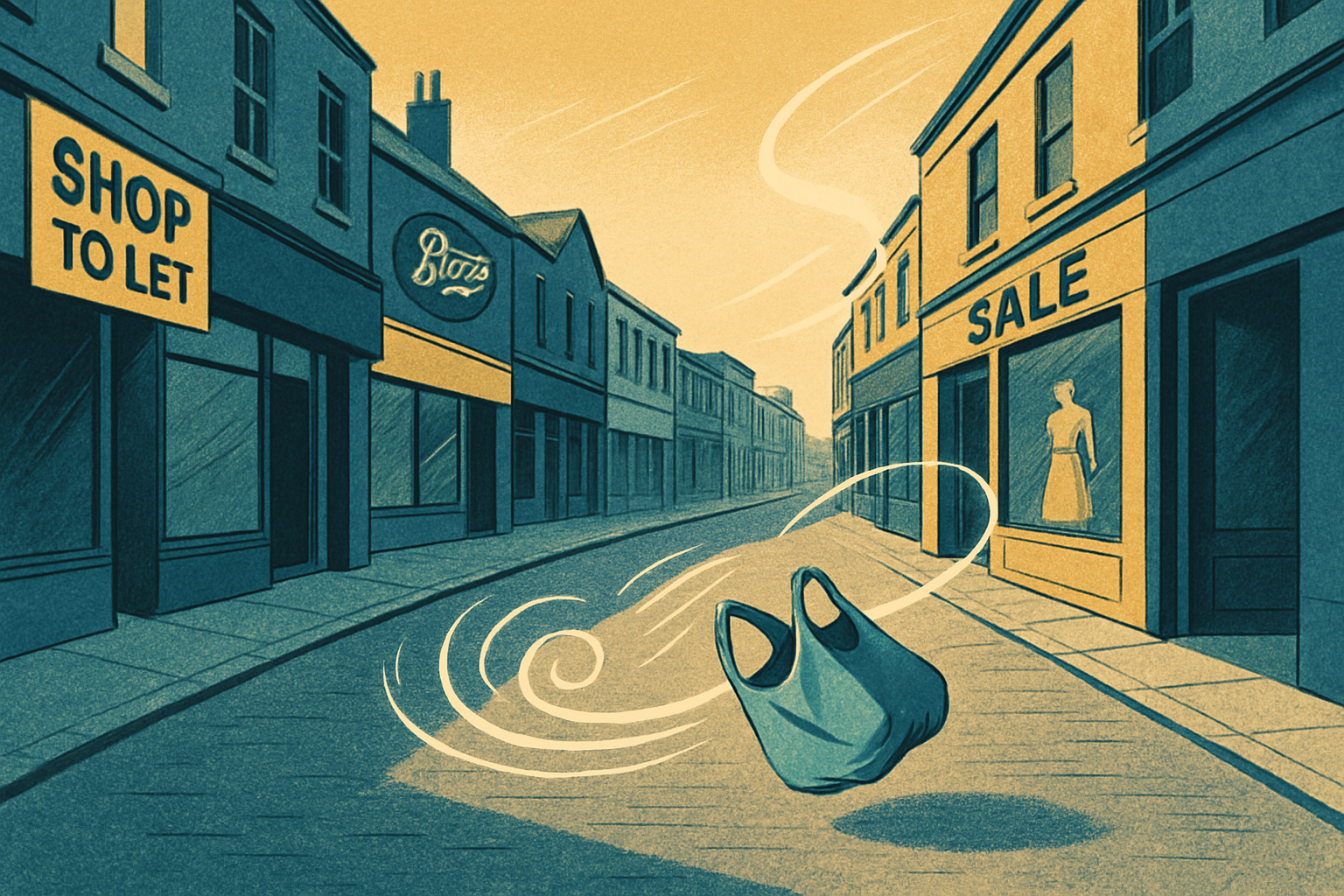
Retail sales across the UK experienced a significant decline in May, marking the steepest monthly drop in 18 months, as consumers reduced spending on essentials such as food and clothing, according to official figures.
Data from the Office for National Statistics (ONS) revealed a 2.7% decline in retail sales volumes last month, exceeding economists’ predictions. This marks the largest monthly fall since December 2023 and contrasts with the 1.3% rise in April, which was revised upwards from an earlier estimate of 1.2%.
The ONS attributed much of the decline to weaker performance by food retailers, particularly supermarkets, which noted a significant drop in alcohol and tobacco sales. “The monthly fall was mainly due to a dismal month for food retailers, especially supermarkets,” stated Hannah Finselbach, senior statistician at the ONS. “Feedback suggested reduced purchases for alcohol and tobacco with customers choosing to make cutbacks.”
Analysts had anticipated that warmer weather and two May bank holidays would stimulate consumer activity; however, this did not occur. “For the first time this year retail sales fell more than expected,” commented Oliver Vernon-Harcourt, head of retail at Deloitte. “Two bank holidays and further good weather were not enough to entice spending.”
Clothing, homeware, and DIY retailers also reported declining footfall, reversing the April surge when sunny weather encouraged shoppers to invest in home improvements. Demand for DIY products decreased, while fashion retailers saw fewer customers on the high street.
Rising prices in categories such as food, furniture, and household goods continued to affect consumer behaviour, Vernon-Harcourt added, noting that persistent inflationary pressures were making shoppers more cautious.
Despite May’s setback, retail sales volumes increased by 0.8% in the three months to May, compared to the previous three-month period, indicating some underlying resilience in consumer spending.
Matt Swannell, chief economic adviser to the EY Item Club, advised caution in interpreting the monthly figure. “May’s lower retailing outturn does not appear to be a major cause for concern,” he said. “Retail sales data is volatile and large month-on-month swings in the series should always be interpreted with caution.”
He added that the underlying trend remains one of modest growth, and EY expects this to continue, barring a significant change in economic conditions.
The sharp drop in May comes at a sensitive time for retailers, many of whom have been hoping for a summer boost following months of mixed consumer sentiment. With inflation easing but wage growth slowing, the outlook for the second half of the year remains uncertain. Retailers will be watching June’s figures closely to determine whether May’s decline is a one-off or indicative of renewed caution among shoppers.