
-

Stress among business leaders is rising fast. National Stress Awareness Day 2025 places a spotlight on how strategic stress management and leadership culture can mitigate risk.
-

One billion women experience menopause around the world today. The International Menopause Society (IMS) has urged employers to take action ahead of World Menopause Day 2025, calling for stronger workplace awareness, practical support measures, and integration of menopause into global wellbeing and HR strategies.
-

Many women still feel isolated in their menopause experience. In a World Menopause Month piece, Kerri Mee, Clinical Lead at Onebright, outlines why workplace action plans must go beyond policy and actively support women’s health, wellbeing, and retention — ensuring menopause is no longer a workplace taboo.
-

Businesses are moving beyond tick-box wellbeing policies. For World Mental Health Day, Business Quarter speaks with leaders embedding psychological safety, inclusion, and empathy into the fabric of daily work — from wellbeing hubs and mentoring schemes to inclusive language and sensory-friendly design.
-

MHFA England launches consultation on workplace standards. Mental Health First Aid England has opened a public consultation on new standards to guide best practice for embedding mental health support in the workplace — aiming to reduce economic inactivity and improve wellbeing across UK businesses.
-

Presenteeism is costing UK businesses far more than absenteeism. A growing body of research shows that while sickness absence is tightly monitored and managed, the hidden cost of employees working while unwell is vastly greater. Experts warn that companies may be measuring the wrong thing.
-

Hybrid working is proving to be more than a perk. CIPD and ONS data show flexible models cut absence, aid retention, and support productivity — but also risk digital presenteeism and deepening workforce divides if not well managed.
-

UK employees missed nearly ten days of work last year. The CIPD’s 2025 Health and wellbeing at work report finds sickness absence rising to its highest level in over a decade, with mental ill health and musculoskeletal issues among the leading causes.
-

A new Government report finds businesses are failing disabled customers. The report highlights persistent barriers in retail, hospitality, and banking, with most disabled consumers lacking confidence in future access. Leading advocates say this is a commercial and moral missed opportunity for UK businesses.
-
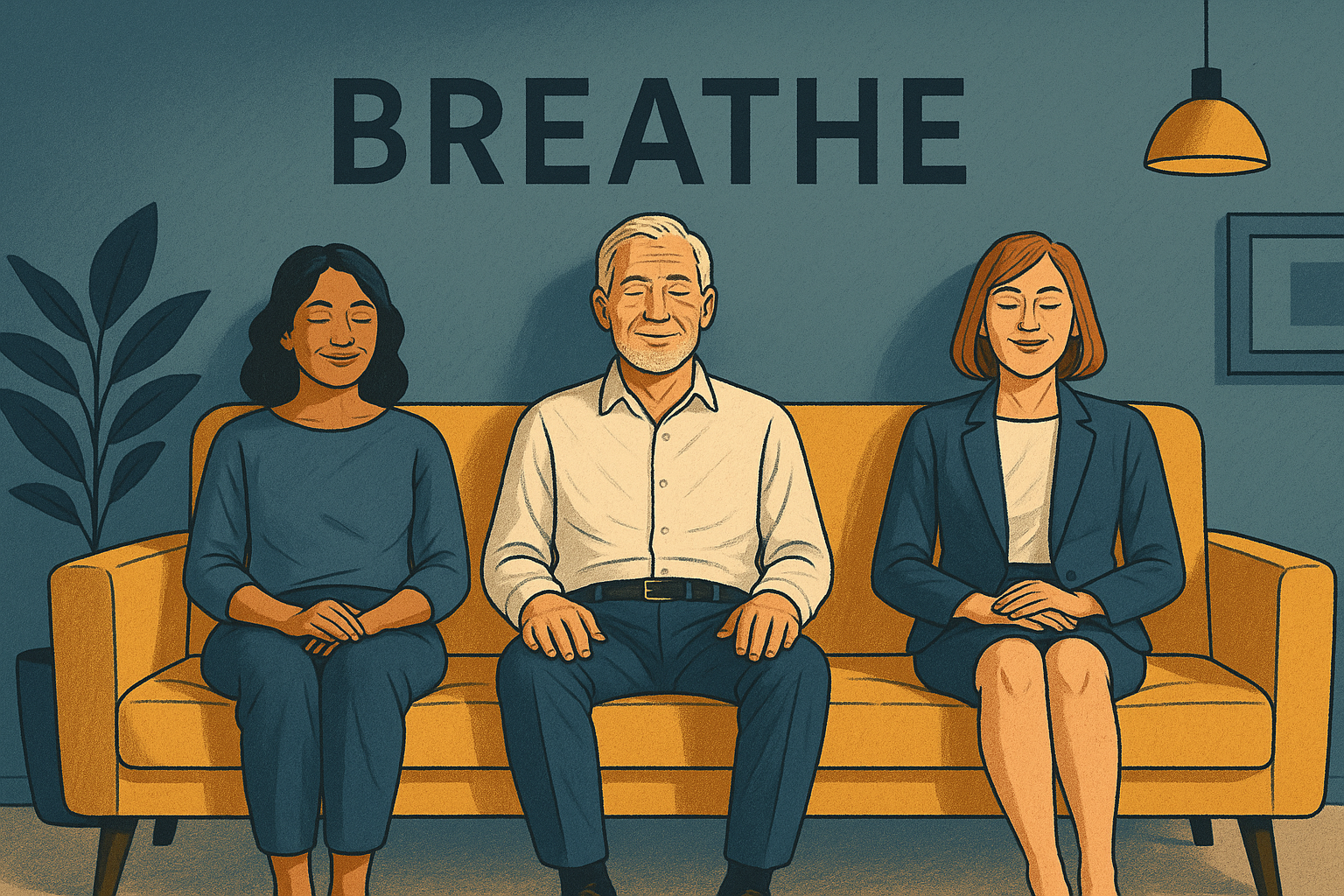
Mental health support is now a critical issue for employers. Onebright’s Alison Bromley examines the economic and strategic imperatives behind effective workplace mental health provision — making the business case for investing in employee wellbeing and showing why organisations cannot afford to treat mental health as optional.