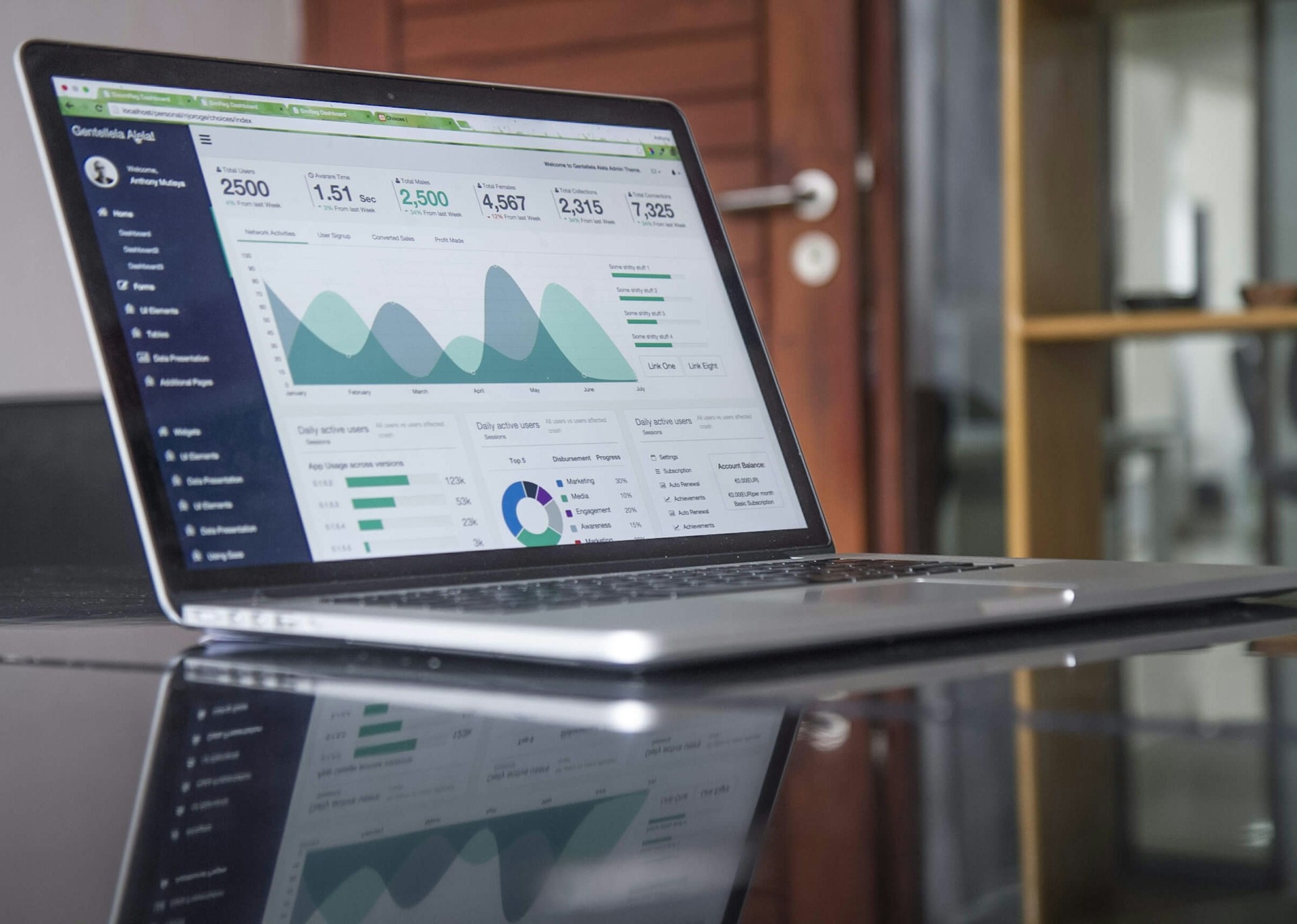
In the fast-paced world of modern business, marketing has evolved beyond intuition and creativity. Data has become the cornerstone of effective campaigns, empowering organisations to tailor strategies that resonate with audiences. By harnessing the power of analytics, marketers can gain unparalleled insights into consumer behaviour, enabling them to craft campaigns that drive engagement and boost conversion rates. Yet, for all its promise, data-driven marketing requires a nuanced approach to be successful.

The starting point for any data-driven strategy is the collection of comprehensive consumer information. Today’s digital landscape offers an abundance of data sources, from website analytics and CRM platforms to social media interactions and purchasing history. The challenge lies in aggregating this fragmented data into a coherent whole. Tools such as Google Analytics and Salesforce have become indispensable, helping businesses capture and organise critical insights. According to research by Salesforce, 76% of marketers say data collection has transformed their ability to connect with customers on a personal level.
However, collecting data is only the first step. The true power of data lies in its analysis. With advanced techniques such as predictive modelling, clustering algorithms, and machine learning, organisations can uncover patterns that might otherwise go unnoticed. For example, segmenting customers based on shared characteristics—be it purchasing habits, location, or demographic data—allows marketers to design highly targeted campaigns. This ability to anticipate consumer needs creates opportunities to deliver personalised experiences, building stronger relationships and loyalty.
Personalisation is where data-driven marketing truly shines. Today’s consumers expect more than generic advertisements—they want to feel understood. Amazon, a pioneer in data-driven personalisation, has long demonstrated the value of tailoring recommendations to individual customers, resulting in significant revenue gains. Smaller businesses are also embracing this approach, using data to refine everything from email content to product suggestions. When customers see their preferences reflected in marketing efforts, they are far more likely to engage with a brand.
Yet, the most successful marketers know that data isn’t just about looking back at past behaviour; it’s also about acting in the moment. Real-time analytics allows businesses to adapt quickly, whether it’s adjusting website content based on user interactions or triggering personalised emails when customers abandon their online shopping carts. This immediacy enhances the relevance of marketing efforts, making them more impactful. Companies that integrate real-time data into their campaigns are better positioned to capture fleeting opportunities in an increasingly competitive market.
Of course, with great power comes great responsibility. The rise of data-driven marketing has brought renewed focus to data privacy and regulatory compliance. Consumers are more aware than ever of how their data is collected and used, and regulations such as the General Data Protection Regulation (GDPR) have made transparency a legal requirement. Marketers must prioritise ethical data practices, ensuring customers understand and consent to how their information is utilised. A 2023 study by PwC found that organisations with transparent data policies enjoy significantly higher trust levels, which in turn strengthens customer loyalty.
“The most successful marketers know that data isn’t just about looking back at past behaviour; it’s also about acting in the moment”
Data-driven marketing is not a one-time effort but an ongoing process of refinement and improvement. Monitoring key performance indicators such as conversion rates, click-through rates, and customer lifetime value provides the feedback needed to optimise strategies. Dashboards and reporting tools can make this process seamless, turning complex data into actionable insights. By continuously iterating, marketers can ensure their efforts remain effective, even as consumer behaviours evolve.
As businesses navigate an increasingly digital and data-centric world, the ability to leverage analytics has become a defining factor of success. Data-driven marketing offers the tools to not only understand customers but also to anticipate and exceed their expectations. In doing so, it bridges the gap between what consumers want and what brands can offer. In a marketplace where relevance is everything, those who embrace data’s full potential will not only survive but thrive.