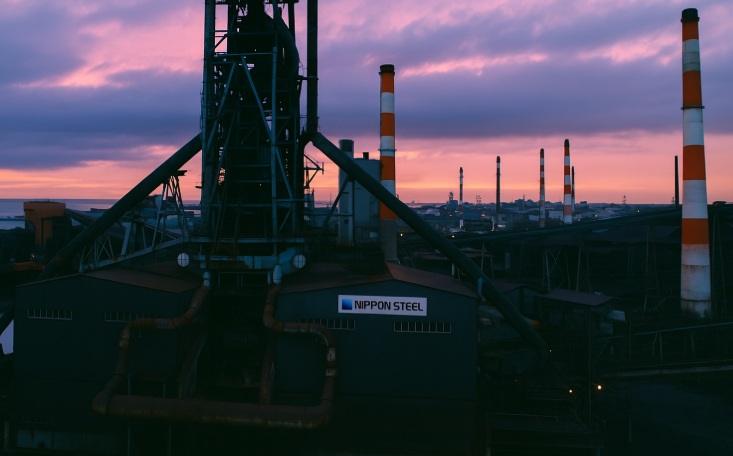
Nippon Steel has revealed a significant investment plan amounting to ¥870 billion (approximately £4.9 billion) to transition its steelmaking processes in Japan from traditional blast furnaces to electric arc furnace (EAF) technology. This strategic shift is part of its efforts to substantially decrease carbon emissions in steel production, a sector known for its high CO2 output. [Read more about EAF technology](https://www.esgtoday.com/nippon-steel-unveils-measures-to-reduce-carbon-impact-of-steelmaking/).
Steel production is a major global contributor to CO2 emissions, and the industry presents significant challenges for emission reduction, responsible for 7% to 9% of direct emissions from fossil fuel use globally. In March 2021, Nippon Steel introduced its Carbon Neutral Vision, targeting a 30% reduction in CO2 emissions by 2030 and achieving net zero by 2050. The strategy involves decarbonising its operations and offering solutions to help clients reduce their emissions.
In 2023, Nippon Steel announced initiatives addressing its carbon footprint, including the transition to EAF steelmaking. Unlike traditional methods that burn coal, EAFs utilise electric currents to melt and shape metal. Although this transition entails substantial capital spending and higher raw material and electricity costs, it aligns with Nippon Steel’s long-term sustainability goals.
The investment entails constructing a new EAF at its Kyushu Works site and enhancing two other facilities, targeting a combined annual production capacity of 2.9 million tonnes by fiscal 2029. By the end of 2024, Nippon Steel reported a 43% reduction in carbon emissions from a test furnace at East Nippon Works.
This initiative is supported by the Japanese government through the Green Transformation (GX) Promotion Act, which includes subsidies of $1.75 billion by 2029 to offset economic challenges.
Despite progress in Japan, Nippon Steel’s international ventures, such as the proposed acquisition of US Steel, have faced criticism over potential job losses and union impacts. Initially opposed, former President Donald Trump now supports the acquisition, suggesting it could revitalise the struggling US steel industry.