
-

The British Business Bank has announced six technology fund commitments. Its £180m allocation to specialist venture and growth investors aims to improve financing access for AI and deeptech businesses at several development stages.
-

Hospitality employers have pledged jobs for young people without work. The 100,000 recruitment commitment for 18-to-24-year-olds forms part of a Government and UKHospitality partnership that also includes work experience and training opportunities.
-

Official figures show Britain’s economy grew modestly during August 2026. The ONS estimates monthly GDP rose 0.1%, after 0.4% in July, while output increased 0.7% over the three months to August.
-
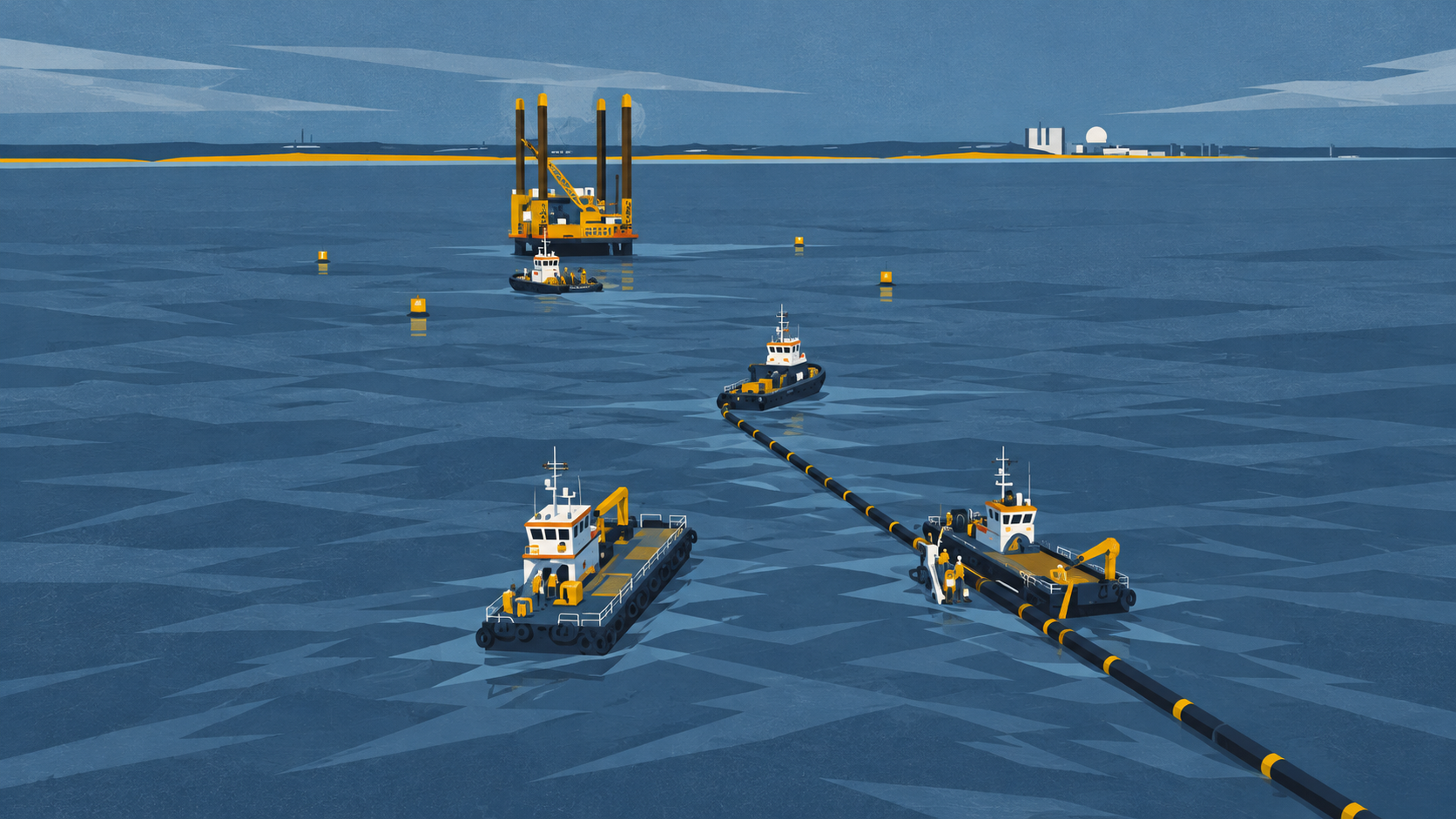
ScottishPower has completed significant offshore engineering work beneath Suffolk’s coastline. Two continuous ducts were installed for East Anglia TWO, with export-cable installation and commercial operation remaining future project milestones.
-

British Land expects stronger earnings following commercial property leasing activity. Its unaudited update cites 12% like-for-like net rental growth and 99% retail park occupancy, with formal half-year results still to come.
-

Heathrow has signed an agreement concerning potential Welsh steel supplies. The 15 October memorandum with Cardiff-based 7 Steel UK is not a purchase order; Heathrow estimates its wider expansion could require up to 400,000 tonnes.
-

Regulators have confirmed special administration proceedings involving ePayments Systems Limited. The FCA says the firm was required to safeguard relevant customer funds, but its payment services are not covered by FSCS protection.
-

Government researchers have documented mounting cost pressures among employing businesses. The first National Survey of Businesses interviewed 1,019 representatives between June and August 2026, excluding businesses with no employees.
-

Derby has secured the planned Great British Railways headquarters development. The Becketwell site could accommodate up to 450 staff, while the Government has separately announced up to 600 apprenticeships over four years.
-

Billion Dollar Boy has expanded through a specialist American acquisition. Creator Authority adds B2B influencer marketing expertise, established professional creator relationships and a stronger US presence to the international marketing group.