
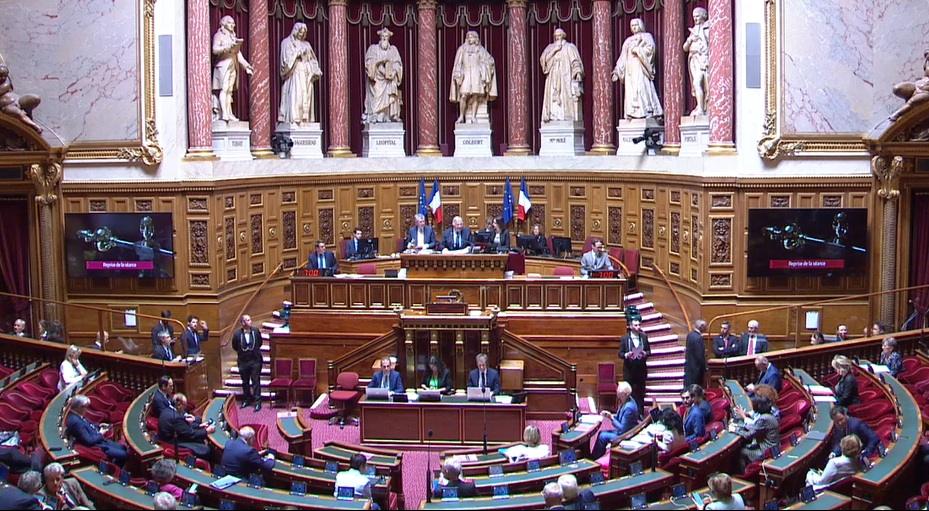
The French Senate has unanimously approved legislation aimed at mitigating the environmental impact of the fast fashion industry.
The bill is part of a wider international movement by investors, companies, and governments to tackle the escalating environmental footprint of textile production and consumption, which accounts for 10% of global greenhouse gas emissions, surpassing those from international flights and maritime shipping combined.
Originally introduced by MP Anne-Cécile Violland and supported across party lines, the legislation suggests regulatory measures to curb overproduction and overconsumption. These include new consumer information requirements on the environmental impacts of clothing, a ban on advertising for fast fashion brands and products, and differentiated eco-contributions based on product sustainability.
The Senate has enhanced these proposals by defining legal criteria for fast fashion and promoting clothing repair.
An announcement following the Senate’s decision stated:
“Never before have so many new items of clothing been put on the market. Each year, more than 100 billion items of clothing are sold worldwide. In France, in the space of a decade, the number of items of clothing sold annually has increased by one billion, and now stands at 3.3 billion products, or more than 48 per capita.”
Initially adopted by the National Assembly in March last year, the bill will proceed to a joint committee of deputies and senators to reconcile the versions from both chambers.
On a broader scale, last year, the European Parliament endorsed proposals to reduce waste, including in the textile sector, mandating that fashion brands and textile producers pay for the collection and recycling of clothing and footwear.