An estimated investment of more than €240 billion will be necessary by 2050 to fulfil the EU member states’ nuclear energy plans and achieve energy decarbonisation objectives, according to the European Commission’s latest analysis. This estimate accompanies the Commission’s revised nuclear illustrative programme (PINC), which reviews nuclear development trends in the EU. This assessment aligns with the EU’s decarbonisation ambitions, its REPowerEU Plan, and Clean Industrial Deal targets.
Nuclear power currently generates around 23% of the EU’s electricity. Although some nations have opted to phase out operations, others are planning to continue or increase their nuclear energy use as a vital aspect of their decarbonisation, industrial competitiveness, and energy security strategies. The EU’s nuclear installed capacity is expected to rise from 98 GW now to approximately 109 GW by 2050 in a base scenario, potentially reaching 144 GW in an optimistic scenario where reactor service lives are extended and all new projects are timely completed.
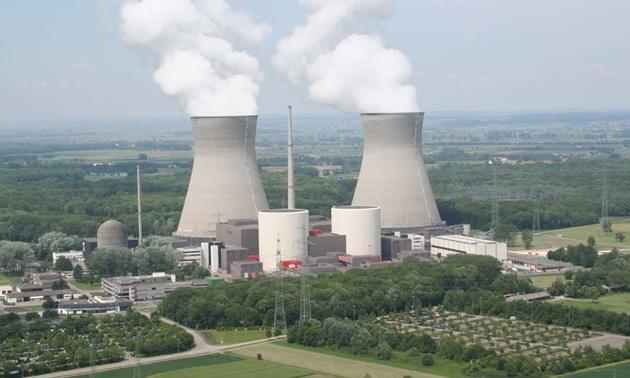
The Commission estimates a need for €241 billion in nuclear capacity investments, comprising €205 billion for new large-scale reactors and €36 billion for extending the lifetime of existing reactors. Further investments will be required for emerging nuclear technologies like Small Modular Reactors (SMRs), Advanced Modular Reactors (AMRs), microreactors, and fusion technology.
To finance these necessary investments, the Commission emphasised the importance of varied public and private funding sources, supplemented by de-risking tools.
Dan Jørgensen, Commissioner for Energy and Housing, stated: “To truly deliver the clean energy transition, we need all zero- and low-carbon energy solutions. Nuclear energy has a role to play in building a resilient and cleaner energy system. Ensuring the necessary framework conditions will allow the EU to keep its industrial leadership in this sector while also upholding the highest safety standards and responsible management of radioactive waste.”