
-

Nationwide’s founder partnership precedes its planned business banking market entry. The building society will support Female Founders Rise’s 12,000-plus members as it prepares to launch its own SME proposition next year.
-

Agency pay transparency is becoming a test of workplace trust. Neverland’s Equal for Equals pledge asks UK agencies to make pay structures, progression, and challenge routes clearer.
-
A new £60m fund will test employment support innovation nationwide. Businesses, charities, technology providers, and public bodies will be invited to develop approaches for helping disabled people and those with health conditions enter or remain in work.
-

UK technology inclusion findings expose deeper workforce pipeline weaknesses today. DSIT’s call for evidence points to structural barriers, representation gaps, misconduct concerns, and emerging technology shifts that could shape the next phase of UK tech leadership.
-
Neuroinclusion is moving from policy commitment into workplace infrastructure now. neurobox has launched a free digital platform to help employers manage workplace adjustments and employee support.
-

A four-day week could strengthen disability inclusion at work. New research says reduced hours without loss of pay may improve retention, wellbeing, and employment sustainability.
-

The Maple Review has called for broader access to enterprise. Its final report recommends micro-capital, business skills education, and redesigned support for founders who have experienced economic hardship.
-
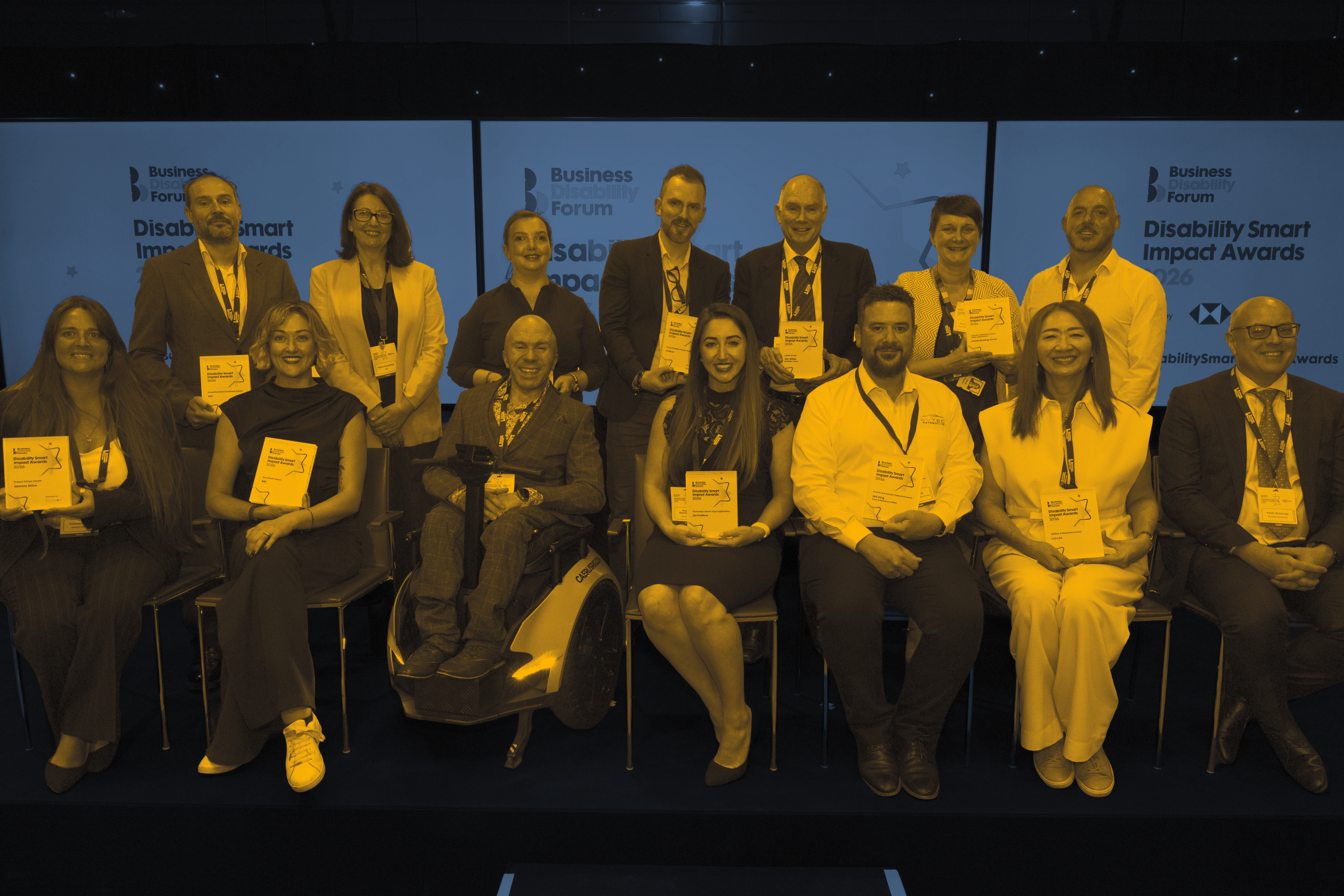
Business Disability Forum recognised inclusion work across sectors in London. Its 2026 awards highlighted organisations and individuals improving accessibility in recruitment, procurement, product design, workplace experience, customer service, and communications.
-

Women are leaving technology careers well before senior leadership positions. Akamai’s research found nearly 90% exit within a decade, with progression, pay, flexibility, and culture among the main pressures.
-

Disabled people want a direct role in shaping AI tools. A new Business Disability Forum poll found 40% of disabled adults see involvement in designing, developing, and testing products as the key to making AI more accessible.