China’s exports rose more than expected in July as manufacturers accelerated shipments to beat a new US tariff deadline, according to customs data released on Wednesday. The 7.2% year‑on‑year jump in exports far outpaced forecasts, with economists polled by Reuters anticipating a 5.4% gain. Imports also grew 4.1% against predictions of a decline, as Chinese buyers brought forward purchases to avoid new restrictions.
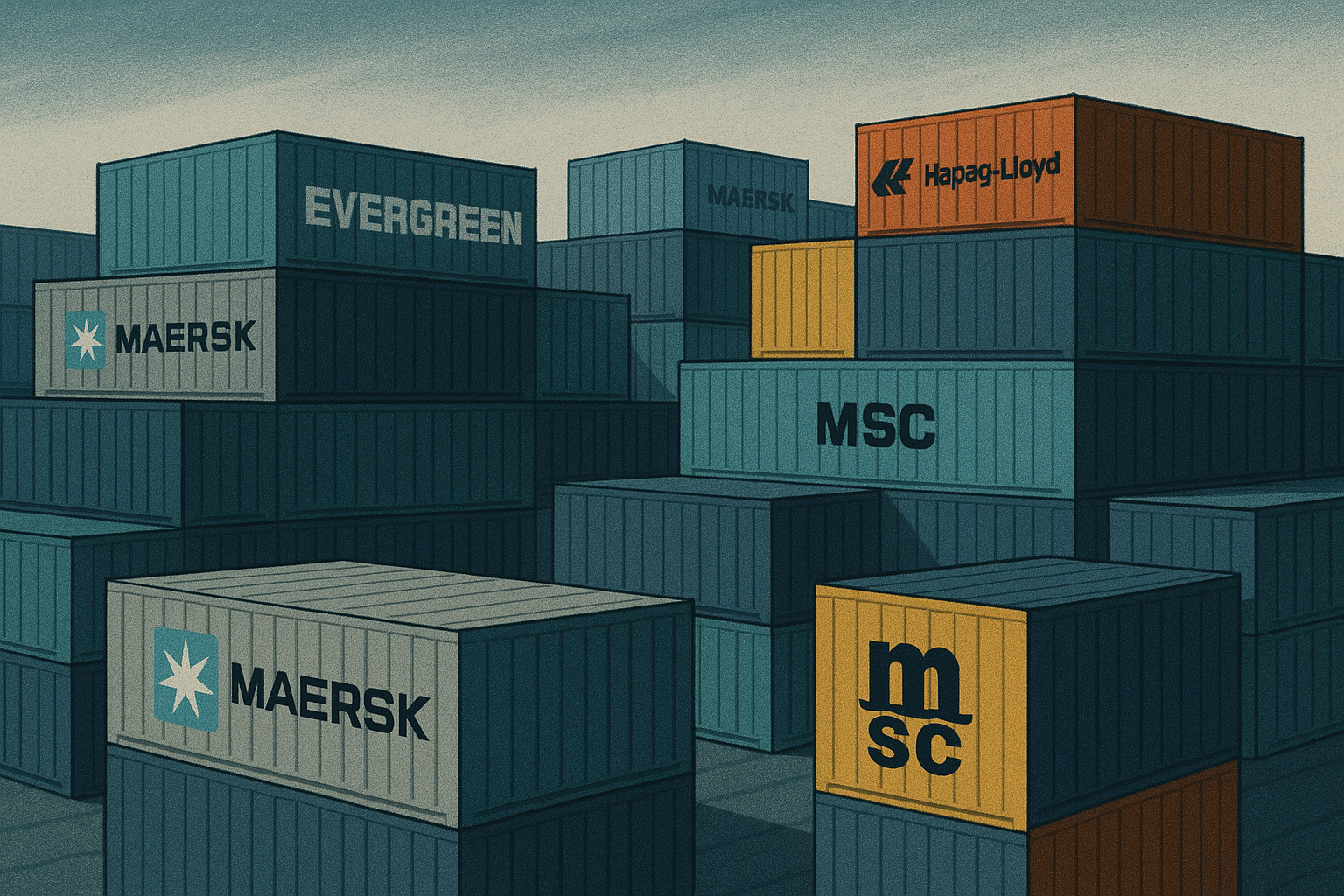
Shipping and logistics companies reported a rush of orders in late July as exporters sought to clear goods before the expiration of a 90‑day trade truce with the US, due to end on 12 August. The temporary pause has allowed some Chinese goods — including electronics, semiconductors, and pharmaceuticals — to enter the US market before higher tariffs come into force.
Xu Tianchen, senior economist at the Economist Intelligence Unit, told Reuters, “The trade data suggests that the Southeast Asian markets play an ever more important role in US–China trade.” Exports to Southeast Asia surged 16.6% last month, while shipments to the US dropped 21.7%. The data underscores a shift in China’s export strategy as companies look to regional partners to offset declining demand from American buyers.
Despite the robust headline numbers, analysts caution that much of July’s growth was likely due to front‑loading — not a sign of sustained recovery. “Transshipment tariffs are clearly aimed at China given its production cost advantage and high US tariffs,” Xu added.
Meanwhile, shipping rates from Asia to the US West Coast have fallen 58% year‑on‑year, reflecting ongoing overcapacity and uncertainty in global logistics. The trade surplus narrowed from $114.8 billion in June to $98.2 billion in July as imports climbed.
The outcome of the US–China tariff negotiations remains uncertain, with markets watching for any sign of a lasting deal before the current truce expires. Analysts expect continued volatility in export and shipping figures as the deadline approaches.