-

Cargostore CEO Andrew Hart marks five years leading global expansion. The container leasing specialist has doubled profits during his tenure and completed two acquisitions, while positioning assets across its international depot network to support further growth in offshore energy, logistics, and temperature-controlled container markets.
-
US tariffs trigger sharp drop in British exports to America. New trade barriers cut the value of UK goods shipped to the US by more than 10% in 2025, with clothing, footwear, artworks, and cars among the sectors recording the steepest declines.
-

Meta agrees multi-billion-dollar deal for AMD AI computing power. Meta has committed to a significant investment in AMD’s AI computing capabilities, potentially acquiring a 10% stake in the chipmaker. The agreement highlights Meta’s ambitious AI infrastructure expansion plans.
-

UK manufacturers reduce US exports due to tariff uncertainties. A survey reveals that 20% of factories have already reduced exports, with 16% planning to follow. Despite this, the US remains a key market, though manufacturers are shifting towards local sourcing.
-
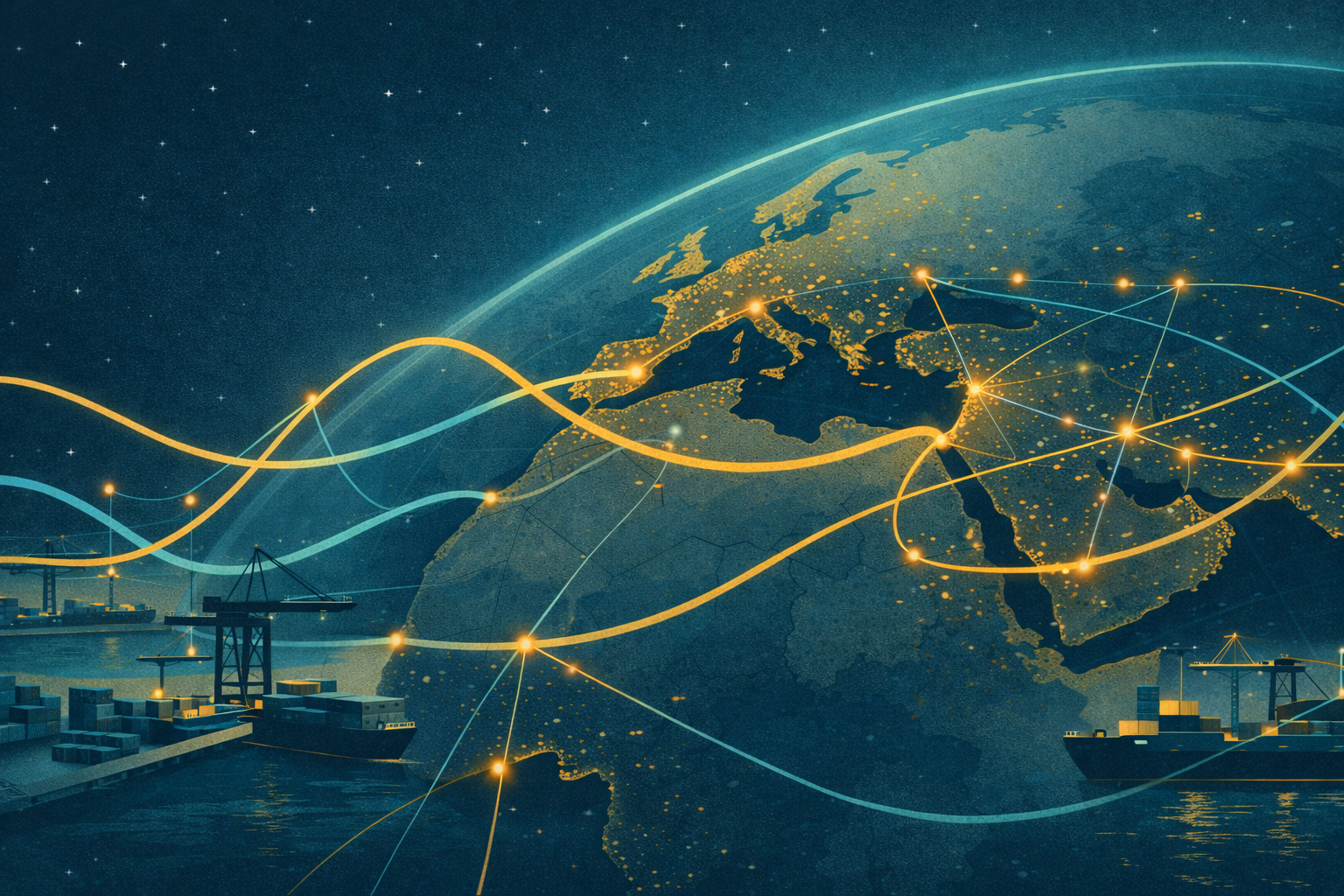
Businesses are accelerating efforts to modernise supply chains. A new Loftware report reveals connected networks, AI, and cloud systems are central to global resilience and competitiveness as companies face mounting disruption and regulatory pressure.
-

G7 finance ministers and allied economies are pushing to lessen global dependence on Chinese rare earths. The 10-nation meeting in Washington signalled growing consensus that critical minerals are not just trade goods but strategic assets. Governments are now exploring joint financing models and market coordination to support non-Chinese producers.
-

U.S. officials warn Indonesia is reneging on vital trade commitments. The 2025 agreement promised sweeping tariff cuts and non-tariff barrier removal. Jakarta now reportedly seeks to reclassify parts of the accord as non-binding. Markets and businesses await clarity as negotiations enter a critical phase.
-
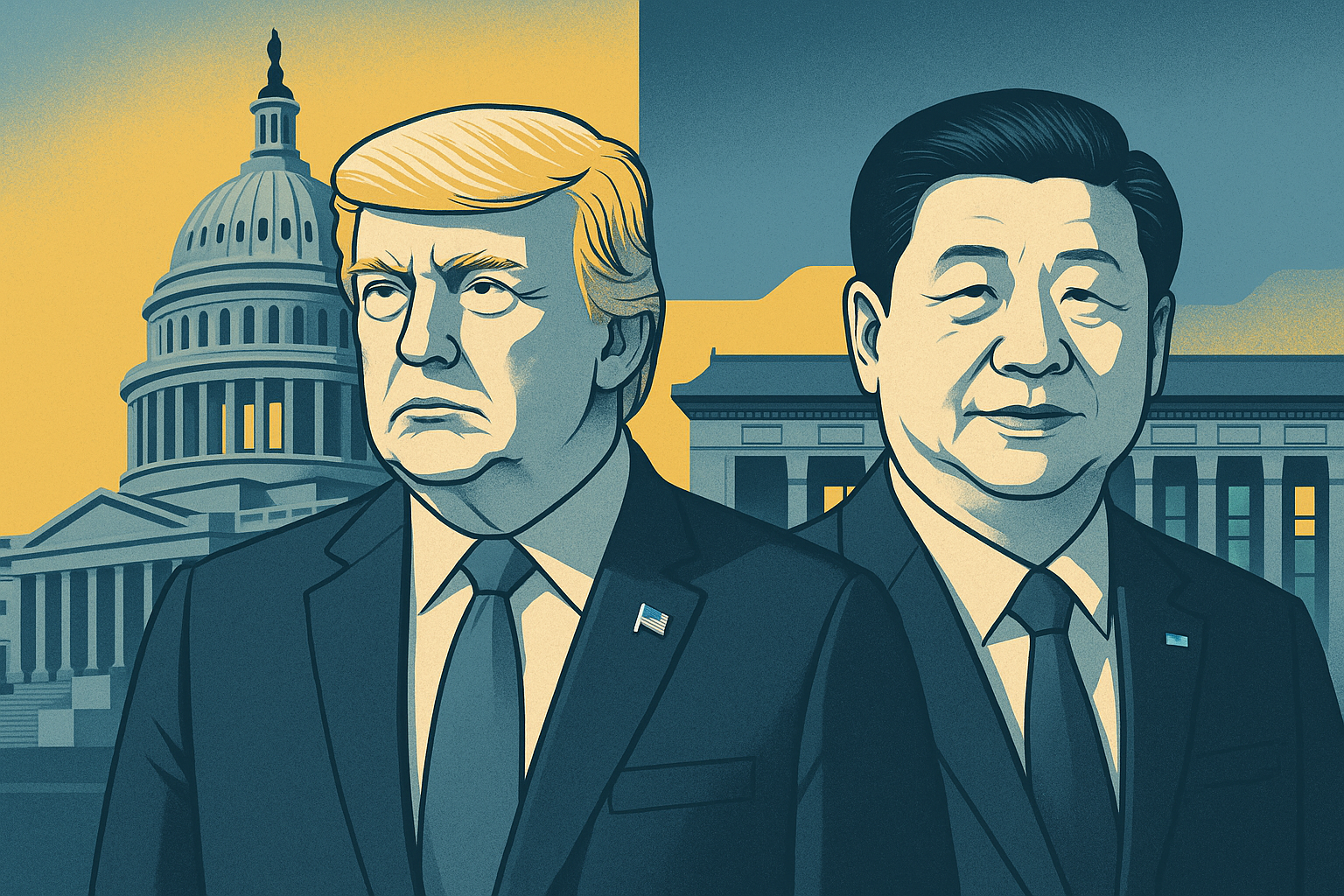
China’s October exports fell 1.1% as U.S. tariffs dampened demand. Japan faces its first contraction in six quarters, and Washington has moved to block Nvidia’s AI chip sales to China — three fronts of tightening pressure across Asia’s trade and technology corridors.
-
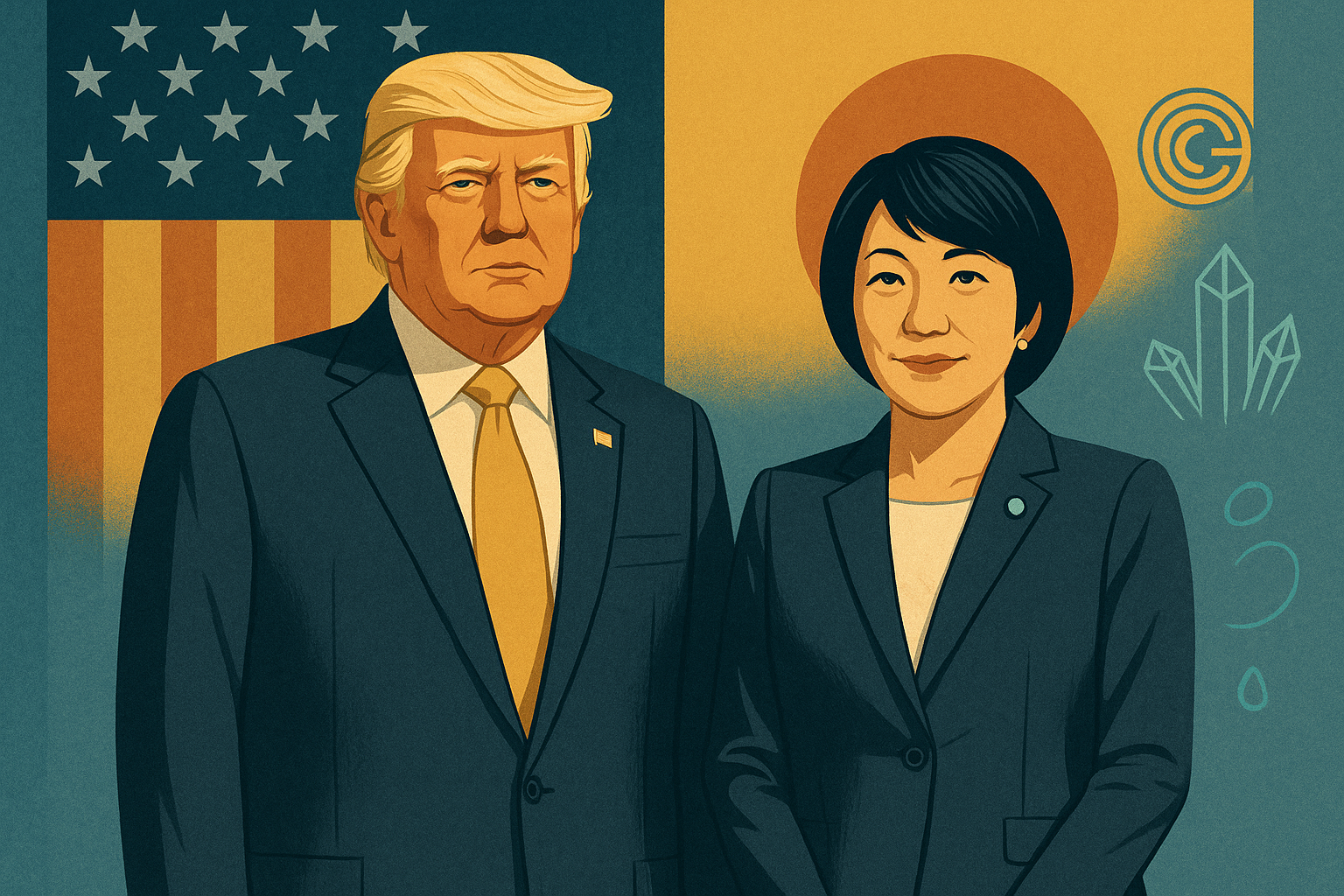
Trump met Japan’s new prime minister in Tokyo on Monday. The two leaders signed a critical-minerals deal to reduce reliance on China, as the U.S. president praised Sanae Takaichi’s historic appointment and reaffirmed the nations’ long-standing security alliance.
-

Sixty per cent of security leaders see supply chain risks as unmanageable. A new IO study reveals that confidence in cybersecurity response far exceeds real-world resilience, as 61 per cent of organisations suffered third-party breaches in the past year, driving financial losses and customer disruption across the board.