China imported no soybeans from the United States in September, Chinese customs data show — marking the first month since 2018 that the world’s largest soybean buyer has gone without U.S. cargoes. The sharp decline underscores the shifting geography of global commodity flows as Beijing leans more heavily on South American suppliers.
According to the General Administration of Customs, China bought 0 metric tons of U.S. soybeans in September 2025, compared with around 1.7 million tons in the same month last year. Overall imports remained robust at 12.87 million tons, the second-highest monthly volume on record. Brazilian shipments accounted for roughly 85% of those deliveries, while imports from Argentina rose more than 90% year-on-year to about 1.17 million tons.
The figures suggest a clear pivot in sourcing. Despite U.S. soybeans remaining competitive on quality and reliability, Chinese buyers have prioritised cargoes from Brazil and Argentina, citing lower tariffs and stronger currency terms. Traders said Beijing’s state-backed importers had refrained from purchasing new U.S. crop supplies this season.
“China has not taken a single U.S. soybean cargo from this autumn’s harvest,” said one Shanghai-based commodities analyst quoted by Reuters. “It reflects both price differentials and long-term risk management in response to policy uncertainty.”
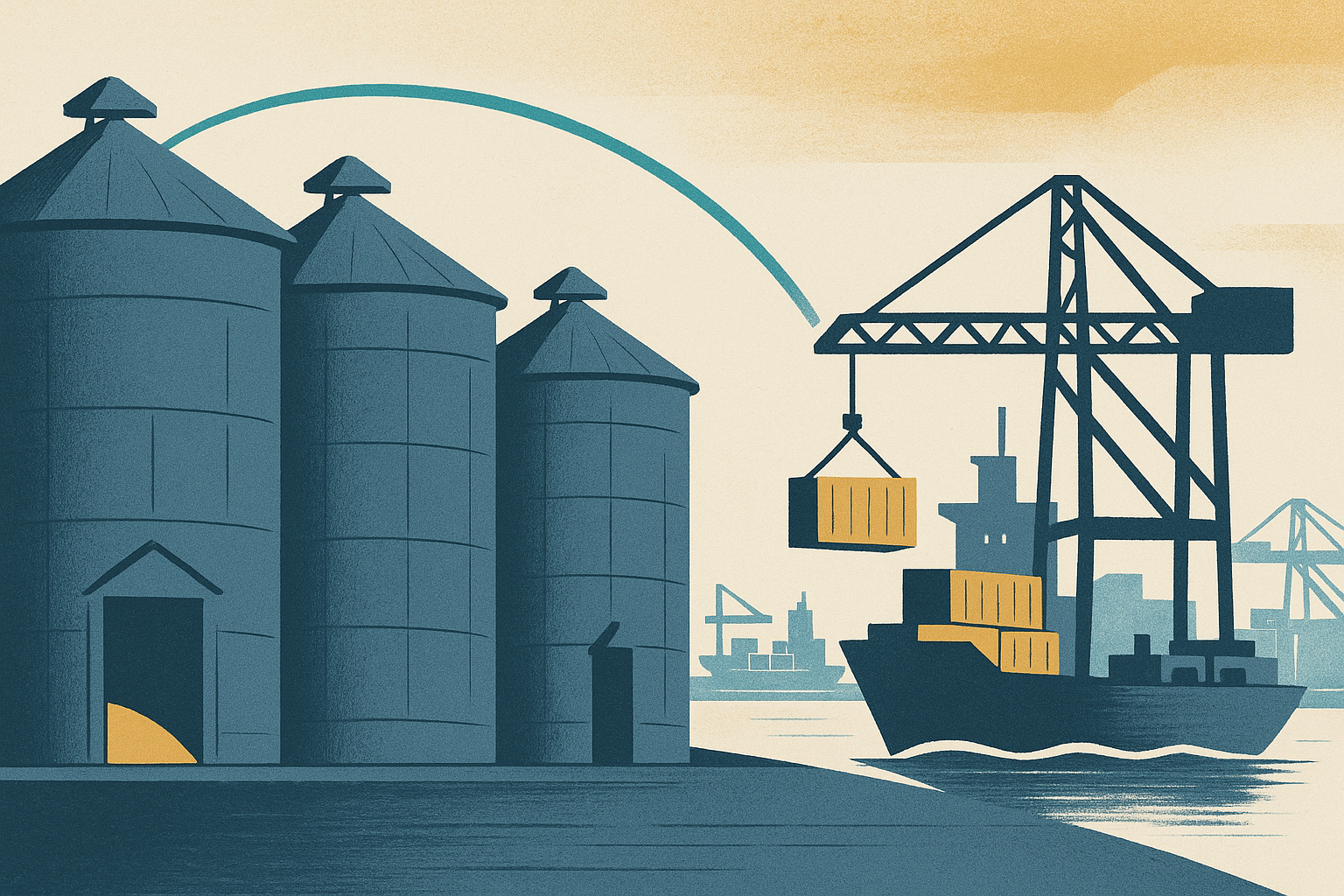
For American growers, the absence of Chinese demand could deepen existing headwinds. The U.S. harvest is now under way, with large volumes heading into storage and export terminals reporting limited bookings. Analysts at the University of Illinois warned that inventories could rise sharply if new markets fail to absorb the surplus, potentially pushing down local cash prices and adding financial strain for producers.
Beijing’s shift carries advantages and vulnerabilities of its own. Brazil’s record harvest has allowed China to maintain feed-grain supplies for its pork and poultry sectors, but heavy dependence on South American crops exposes the country to weather-related risk and logistical bottlenecks. Delays in Brazil’s next export season could leave China temporarily short between February and April 2026.
The change also speaks to the political character of agricultural trade. U.S. soybeans — once a staple of Sino-American commerce — remain subject to tariffs introduced during earlier rounds of trade tension. Although those measures were partially offset by phase-one agreements in 2020, strategic diversification has since become a policy priority for Beijing.
Global markets are adjusting accordingly. Brazilian and Argentine exporters are expanding acreage and crushing capacity to meet Chinese demand, while U.S. traders explore sales to Mexico, Europe, and parts of Southeast Asia. The reshuffling is likely to reshape pricing patterns, freight routes, and sustainability debates tied to South American land use.