
-
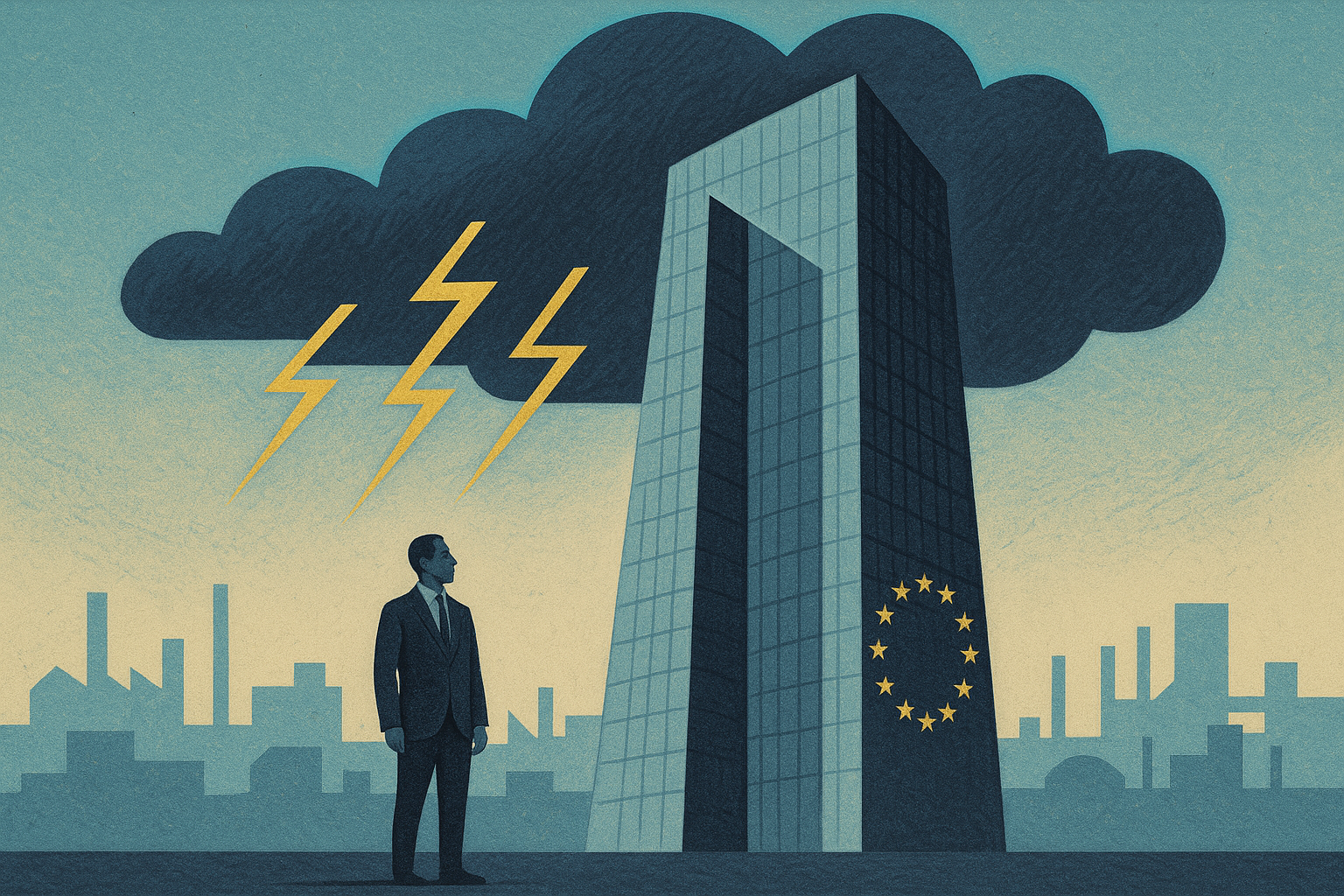
The European Central Bank faces new uncertainty over U.S. trade. Bundesbank President Joachim Nagel urged “politics with a steady hand” as Trump’s sweeping tariff threat disrupts policy plans. Officials will now rerun growth forecasts ahead of the 23–24 July ECB meeting, with no immediate rate move expected.
-

EU ministers have approved Bulgaria’s accession to the eurozone. The country will become the 21st member on 1 January 2026. Bulgaria’s conversion rate is fixed, and dual pricing will start in August as the government aims to ease consumer transition and address inflation concerns.
-
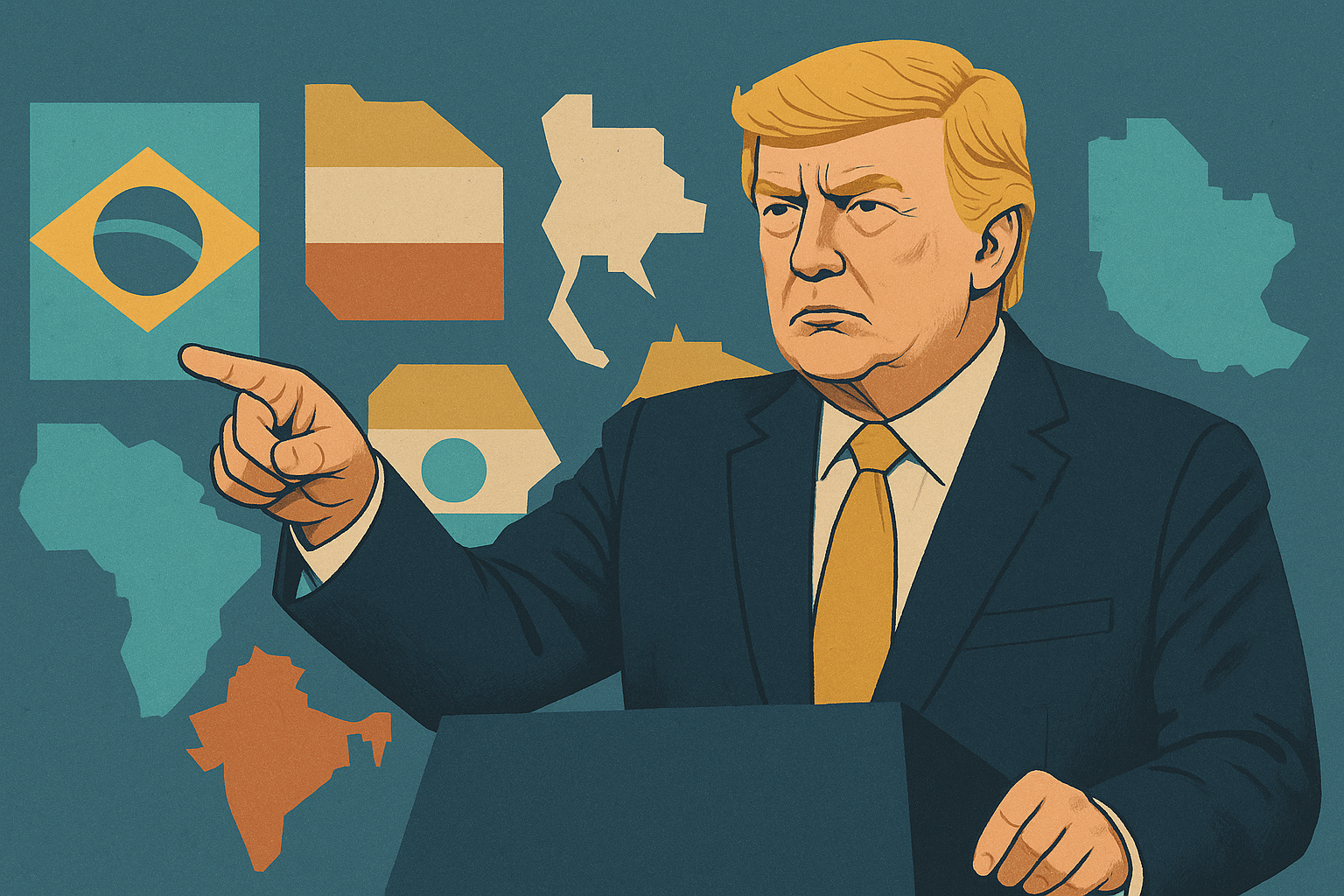
Trump threatens tariffs on countries supporting BRICS policies. The warning was issued as BRICS leaders convened in Rio to discuss reforming global financial institutions and reducing reliance on the US dollar.
-
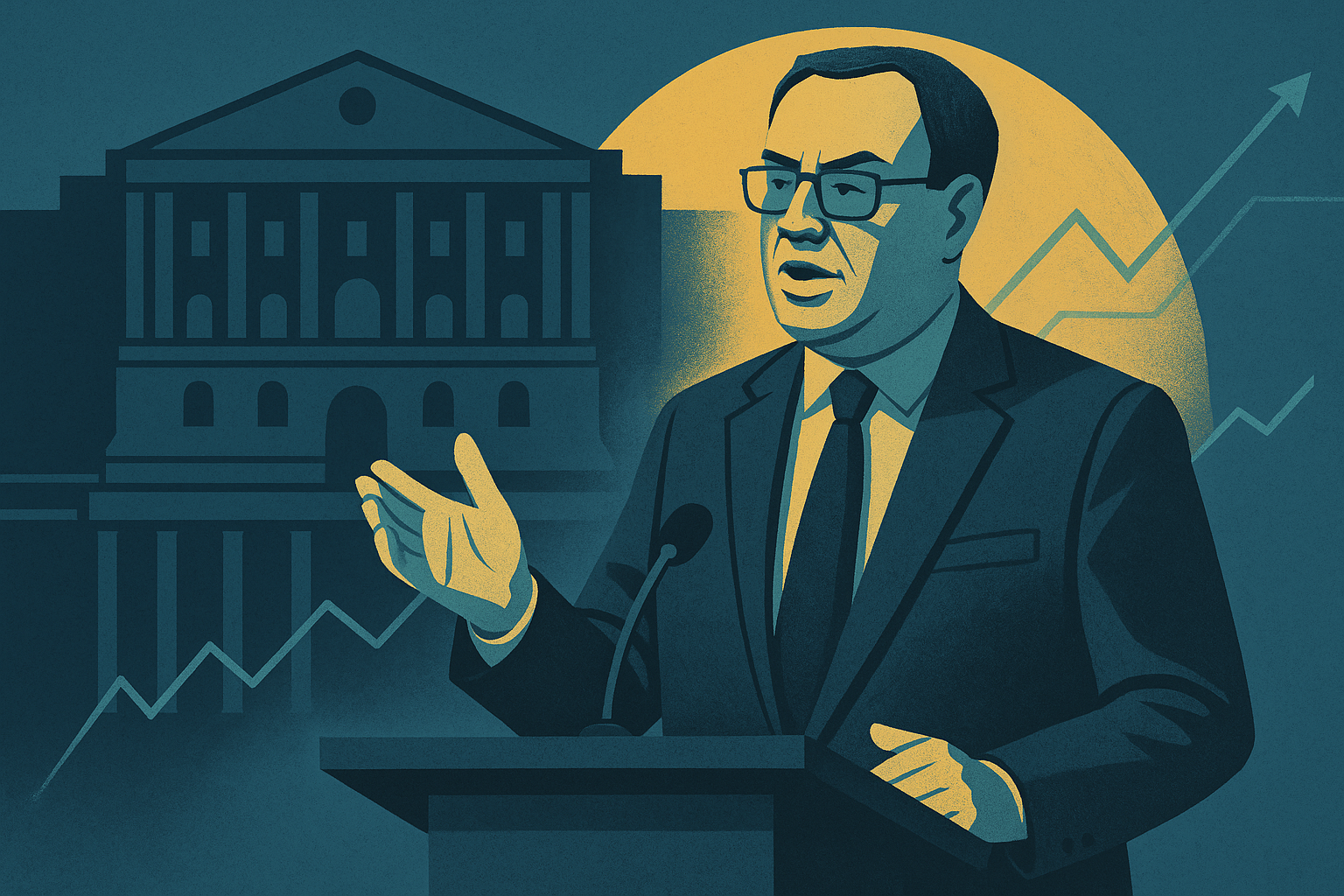
Tariff fears are delaying Bank of England action. Governor Andrew Bailey warned that global trade uncertainty is paralysing investment, making it harder to cut interest rates without deepening the slowdown. The Bank now faces a slower, cautious path to easing.
-
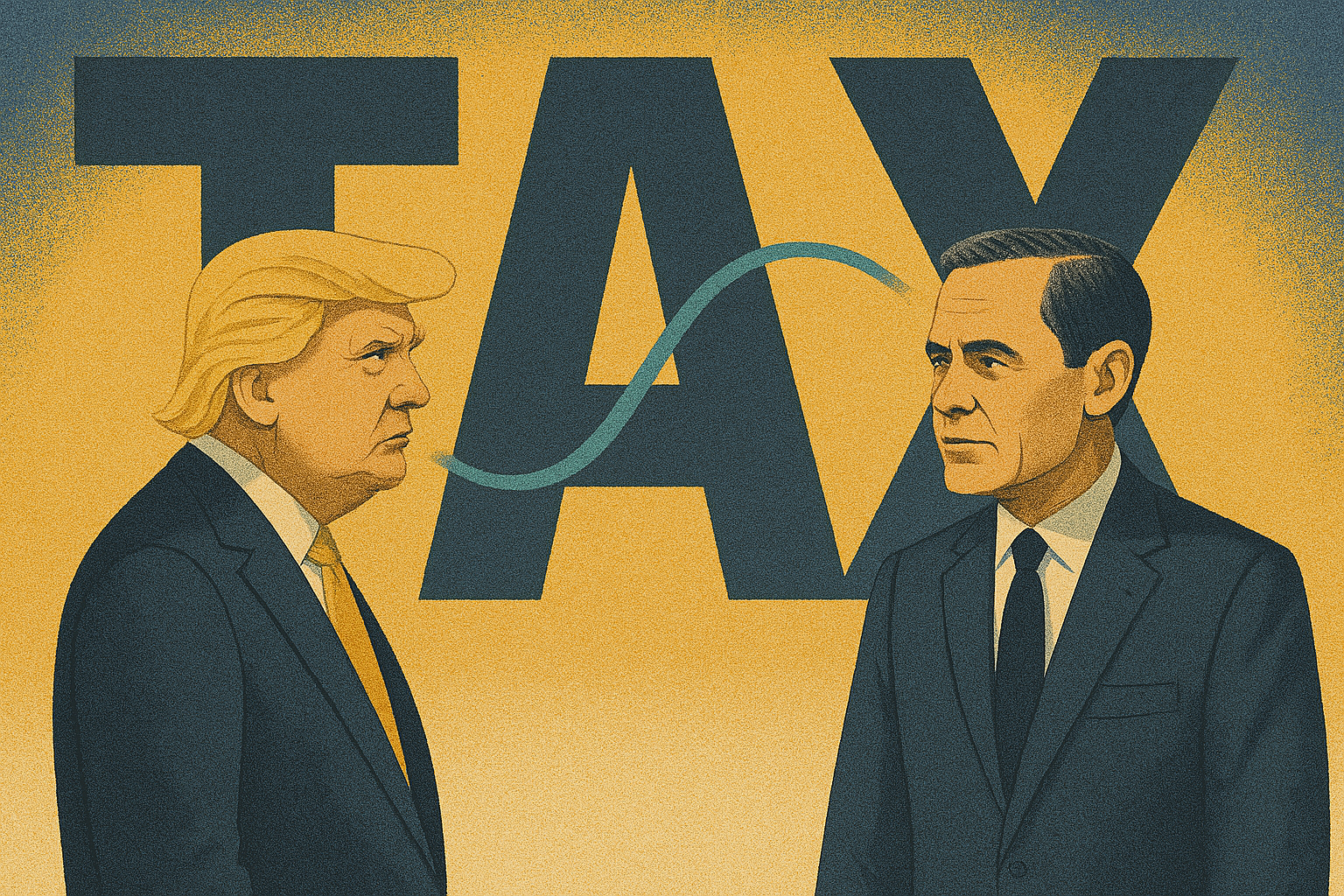
Canada suspends its digital services tax to revive US talks. The tax aimed at US tech giants faced criticism from President Trump, who halted negotiations and threatened tariffs. Talks are set to resume, targeting a new trade deal by 21 July.
-
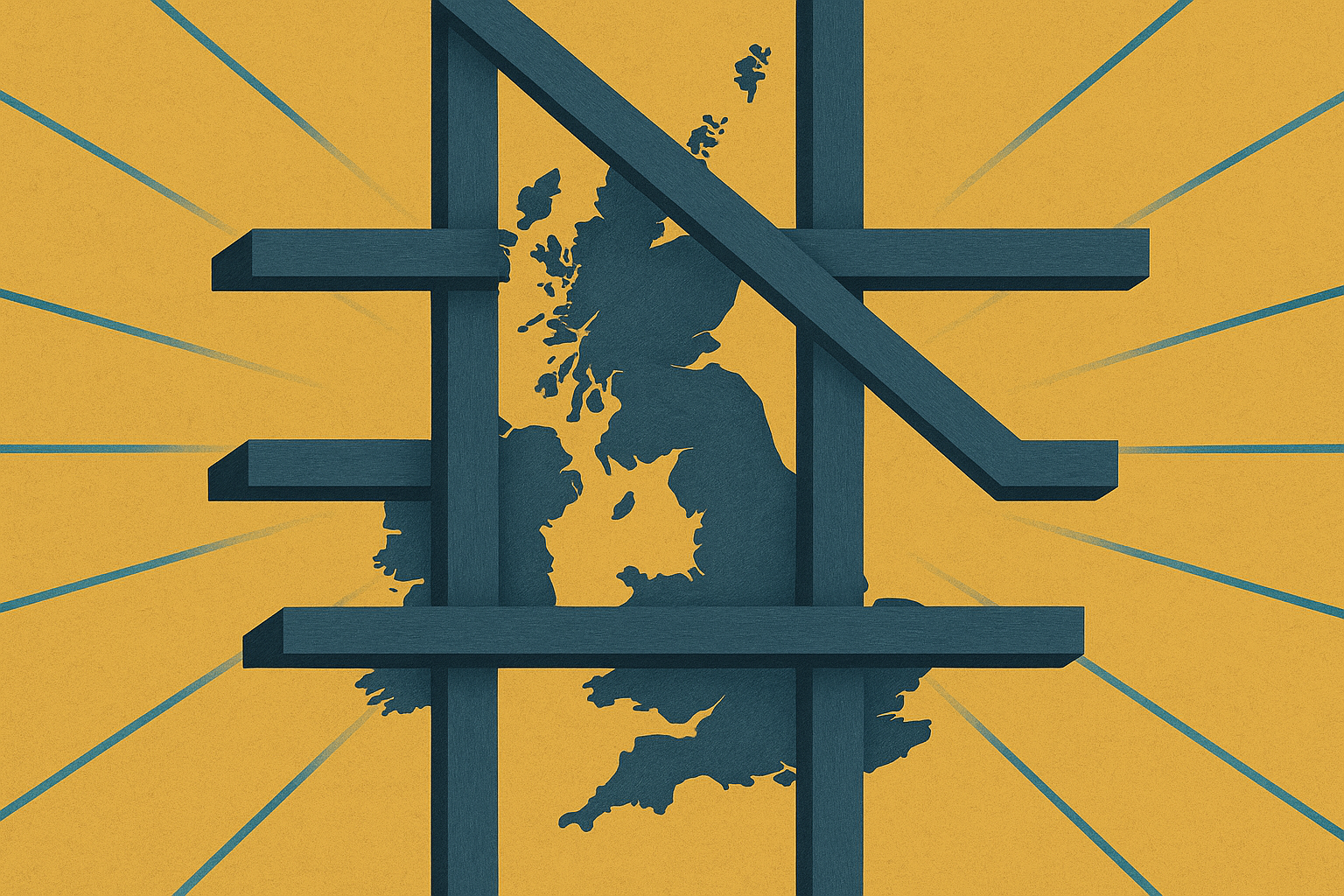
UK introduces new steel safeguard measures from July 2025. The UK government has announced strengthened steel import safeguards, reducing quota liberalisation and implementing caps to protect domestic producers from redirected foreign imports in response to US tariffs.
-
The FCA has proposed a major reform to investment guidance. A new ‘targeted support’ category would let firms give low-cost prompts to consumers without breaching advice rules, aiming to address a gap that leaves millions without affordable help.
-
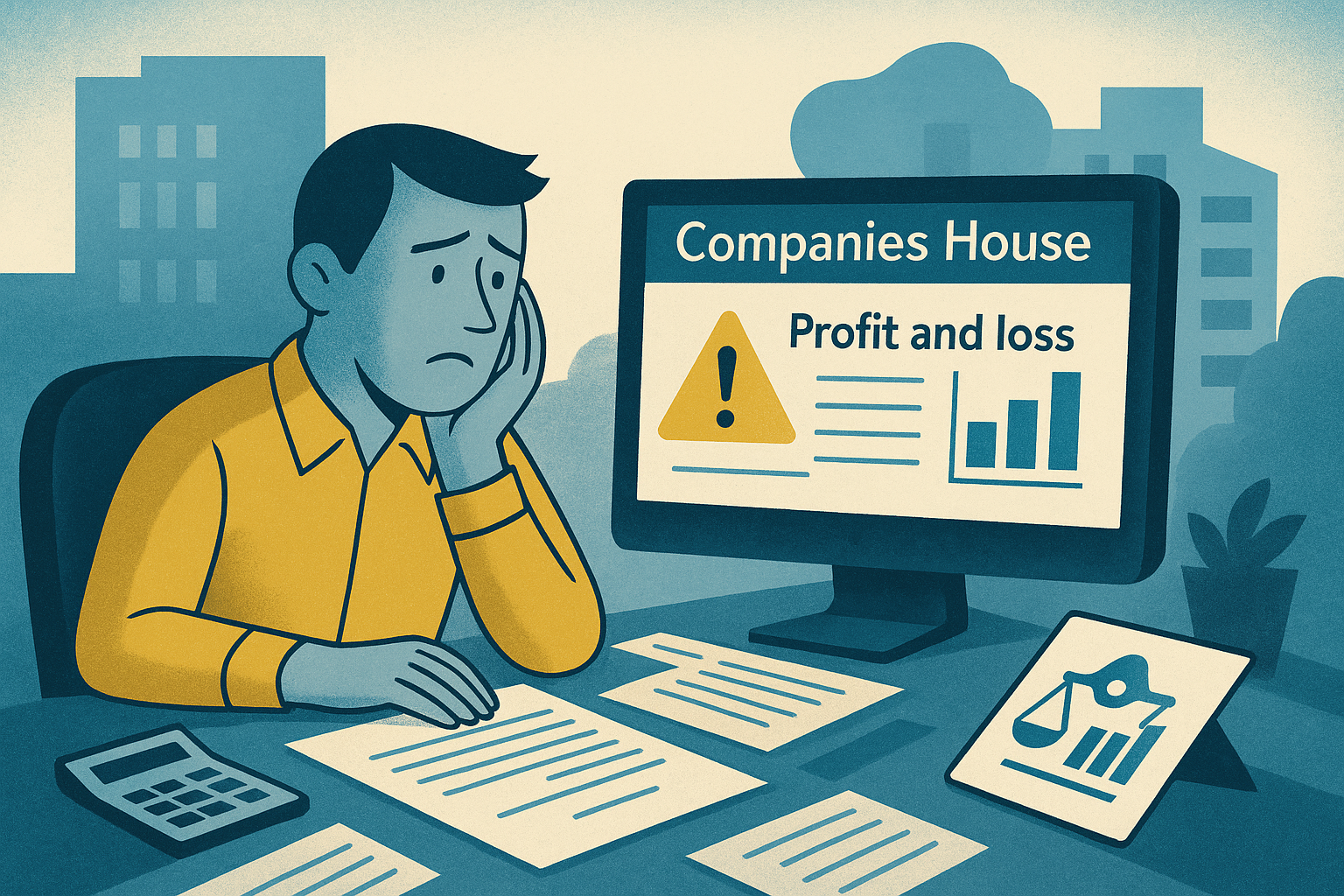
New Companies House rules will impact small UK businesses. Small firms must disclose financial data and use commercial software, raising concerns about costs and competitiveness. The government aims to enhance corporate transparency, but critics fear unintended consequences for the sector.
-
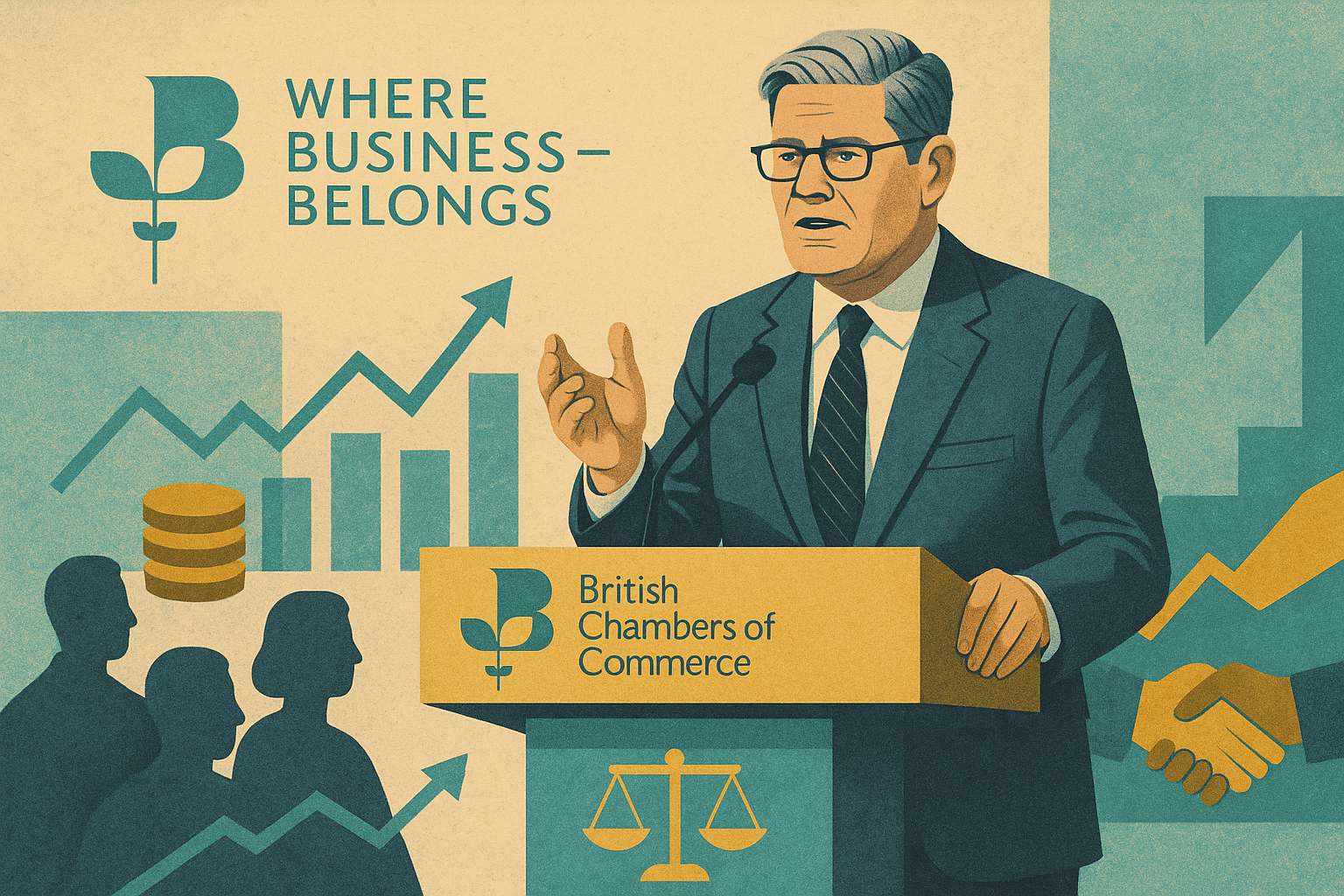
UK businesses urged against further tax hikes amid financial strain. Prime Minister Keir Starmer thanked businesses for handling the £23 billion national insurance increase but faced calls from industry leaders to avoid additional tax rises, citing unsustainable financial pressures.
-
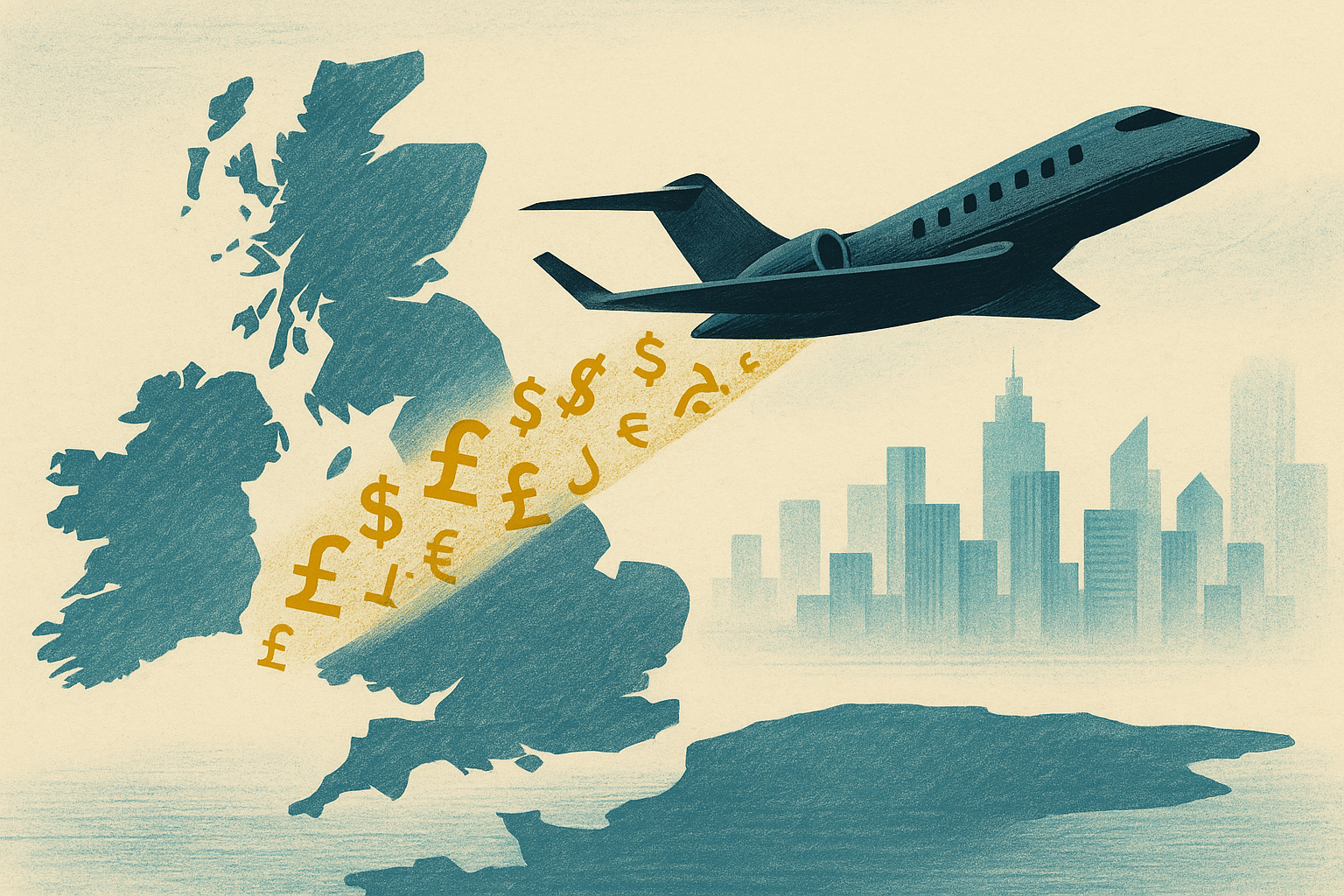
The UK set to lose more millionaires than any country. A report indicates 16,500 millionaires will exit Britain by 2025. This trend highlights concerns over the UK’s economic competitiveness and tax environment, potentially impacting the nation’s wealth retention and economic health.