
-
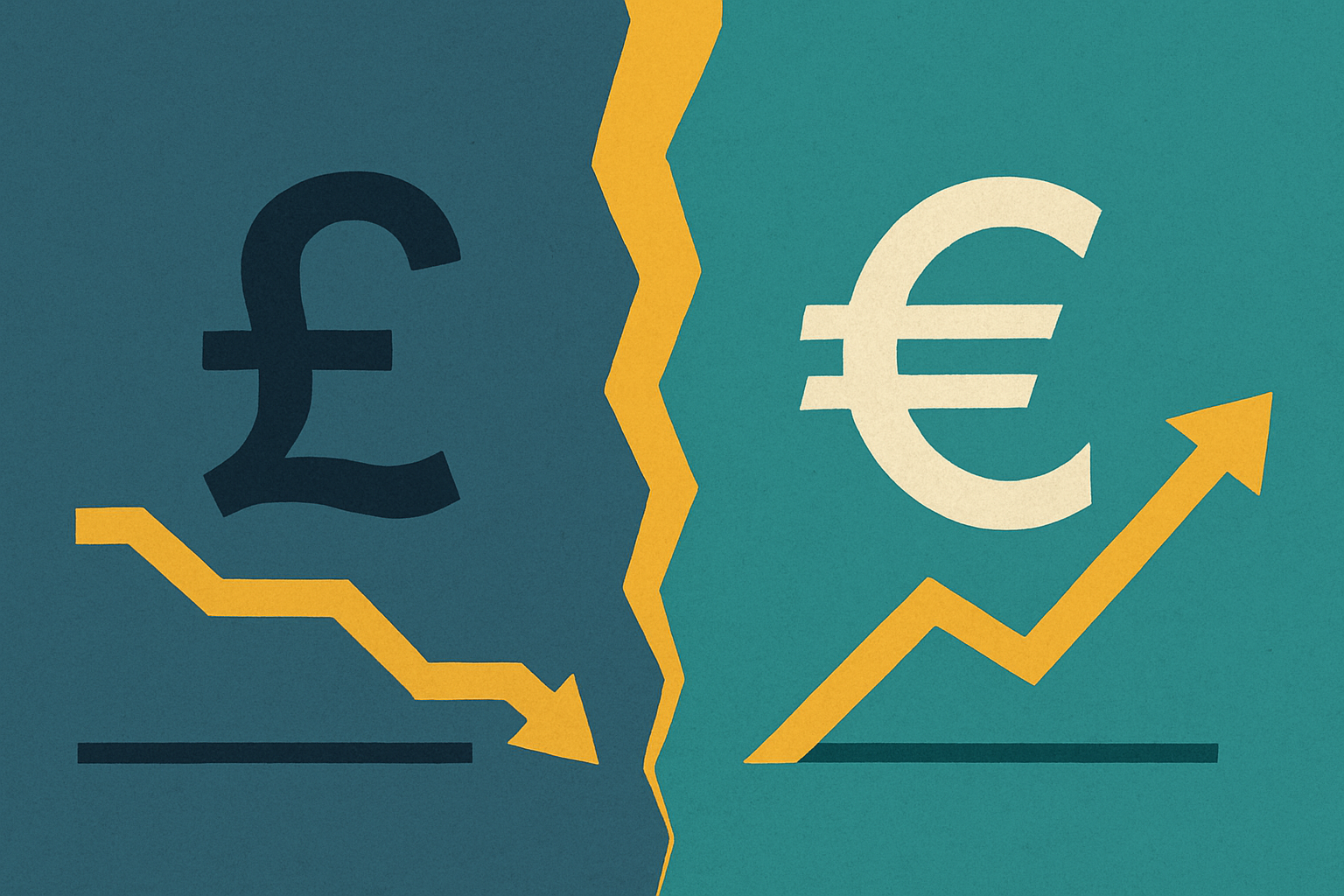
Eurozone businesses show growth as UK company confidence remains fragile. Fresh data reveals continental factories and services gaining pace, while UK surveys highlight costs, labour pressures, and deep uncertainty. But why is Europe moving forward while Britain struggles to find momentum?
-

New trade deal imposes 15% cap on most EU exports. The United States and European Union have signed a tariff framework capping most duties at 15%, exempting select sectors and outlining reciprocal measures in energy, agriculture and investment. The provisional pact leaves several disputes unresolved, with legislative steps still pending.
-
Tariffs have become geopolitical weapons of trade warfare in 2025. The US is targeting BRICS countries with sweeping levies, forcing businesses to rethink supply chains, risk planning, and resilience in a fragmented trade order.
-

Oil and gold prices edged higher before high-level Washington talks. Market moves reflect geopolitical caution, easing supply concerns and shifting rate expectations, as investors weigh signals from President Trump’s summit with President Zelenskyy alongside the Federal Reserve’s Jackson Hole symposium later this week.
-

China’s exports rose sharply in July, surprising many market watchers. Businesses accelerated shipments ahead of a new US tariff deadline, driving a sharp rise in exports and a 4.1% increase in imports. Southeast Asia absorbed more Chinese goods as trade shifted amid ongoing tensions between Washington and Beijing.
-

US diplomats mount formal campaign against the EU’s digital law. A confidential directive from Washington has instructed American diplomats in Europe to push for changes to the Digital Services Act, arguing the rules burden US tech companies and threaten free speech. European authorities are standing firm as regulatory tensions grow.
-
US tariffs on semiconductor and drug imports could reach 250%. Markets face uncertainty as technology and healthcare companies brace for higher costs and new supply-chain disruption in the wake of President Trump’s latest trade escalation and fragile international talks.
-

Analysts expect modest recovery in this week’s Eurozone retail data. But behind the numbers lies a deeper transformation in consumer priorities. As trust, transparency, and value redefinition take centre stage, Europe’s B2C leaders are rethinking how to compete — and what it means to stay relevant.
-
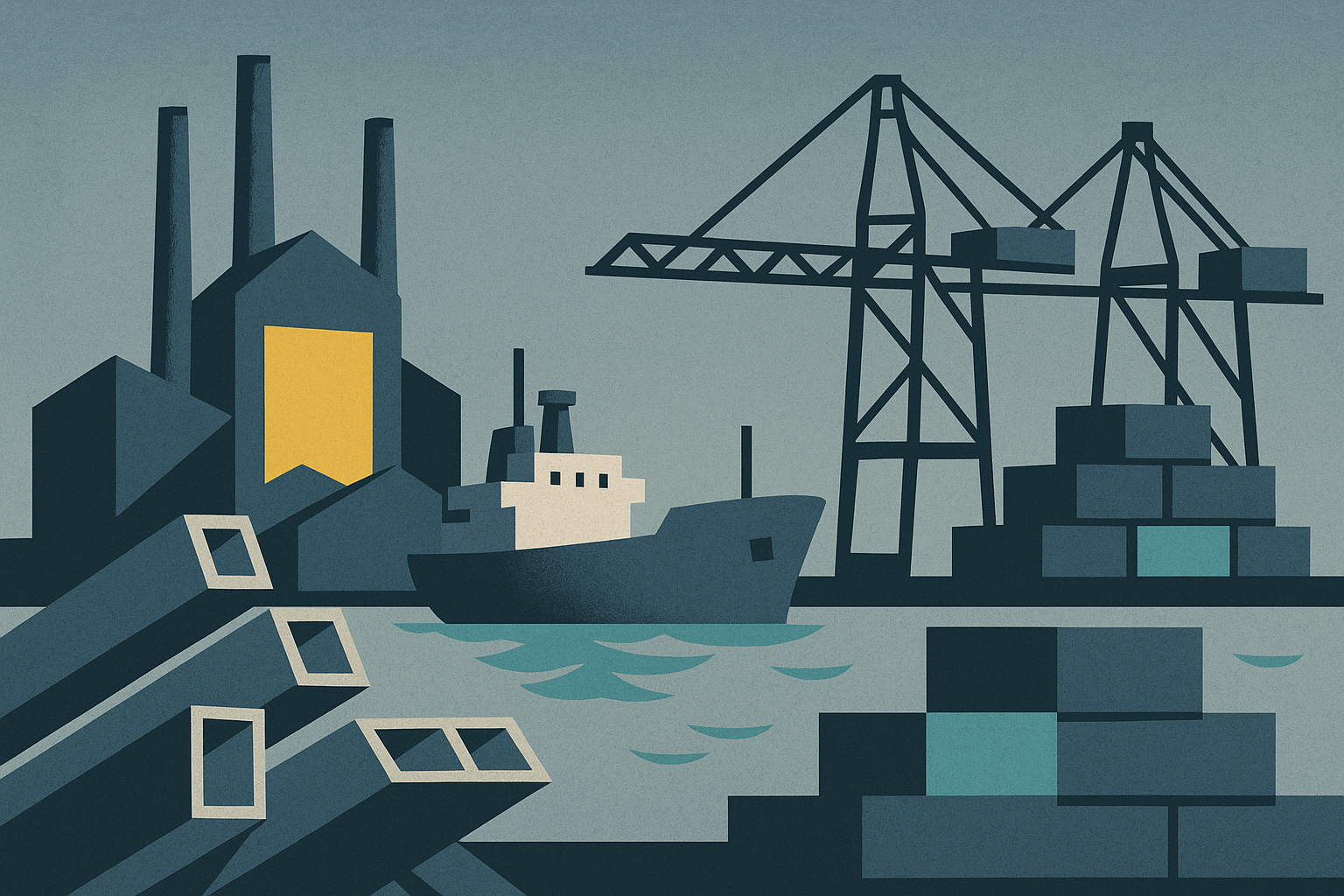
Britain’s steelmakers regain EU tariff-free access for Category 17. From 1 August, UK producers can export up to 27,000 tonnes of structural steel to Europe each quarter, restoring trade volumes and offering vital certainty for the sector after years of Brexit-linked restrictions.
-
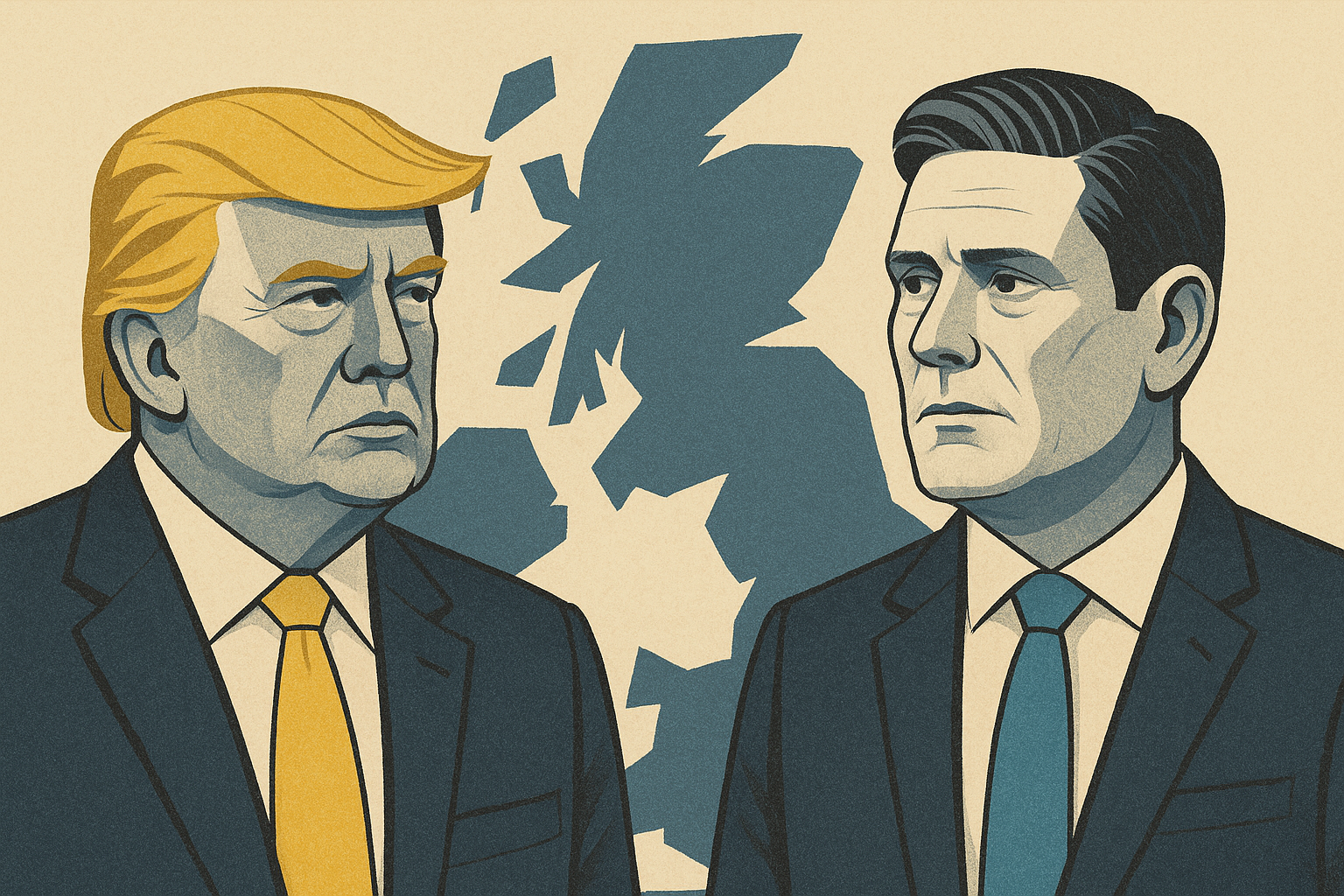
US tariffs are reshaping the UK’s trading relationship with America. British businesses face a 10% baseline tariff on most exports, with new sector-specific quotas and compliance hurdles fundamentally altering access to the world’s largest market.