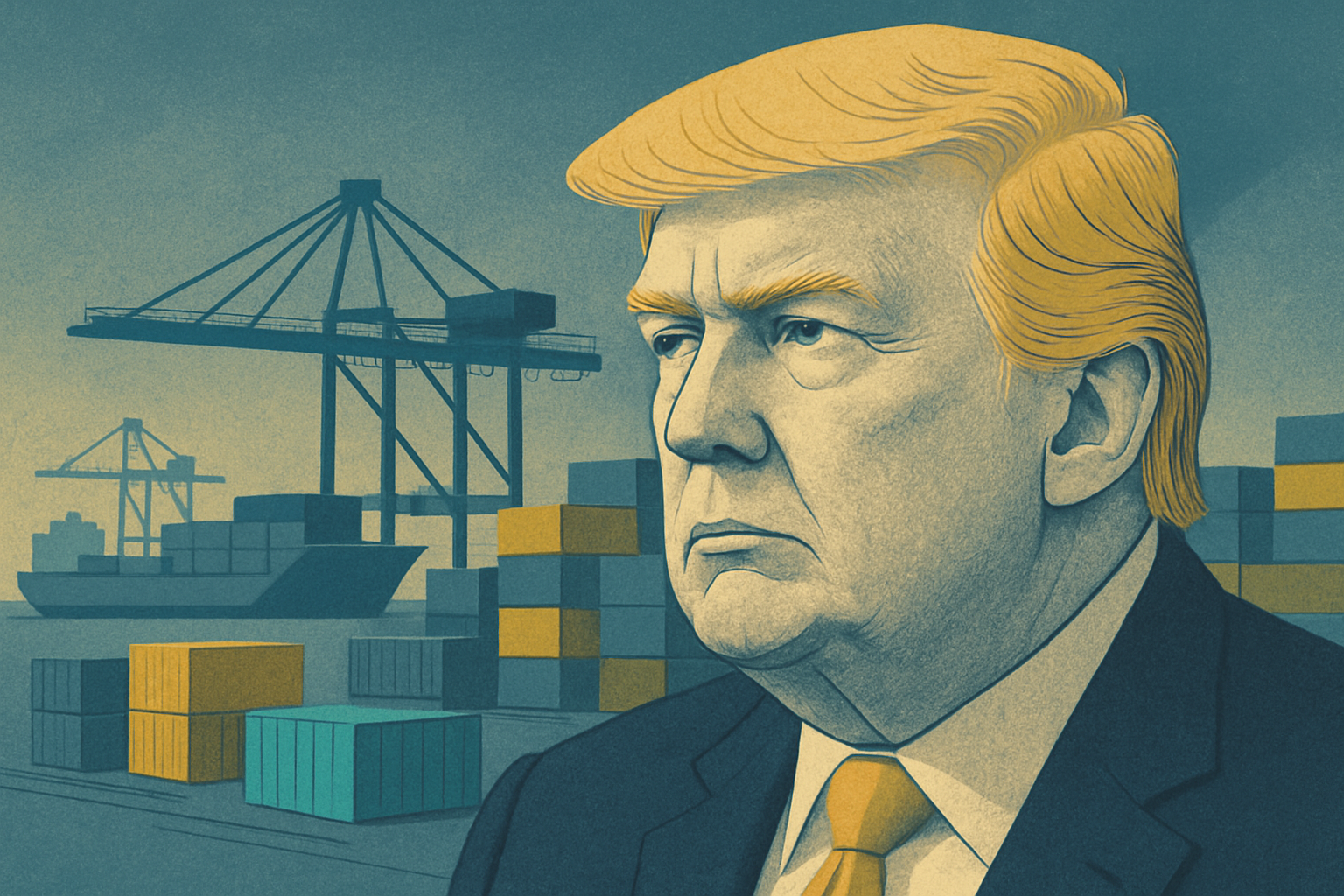
The White House has confirmed it will impose sweeping new tariffs on imported semiconductors and pharmaceuticals, with rates potentially rising as high as 250% within eighteen months if trade talks fail. President Trump described the move as a response to national security concerns and ongoing trade imbalances, warning that tariffs would start at lower rates and escalate if no agreement is reached.
US officials stated that the first tariffs on semiconductor imports will be announced within days, with initial duties on pharmaceutical products to follow. Industry analysts noted that technology and healthcare companies reliant on overseas supply chains are likely to face immediate cost increases and renewed operational challenges as a result.
“We cannot allow US industries to remain vulnerable to unfair competition or global shortages,” Trump said at a press briefing. “If partners refuse to negotiate fair deals, these tariffs will go up — on chips, on medicines, and on key technology components.”
Equity markets responded with caution. The S&P 500 slipped, with notable volatility in healthcare and semiconductor stocks as investors assessed the risk of disruption to global supply and the potential for higher input costs. Analysts pointed to heightened uncertainty for companies sourcing finished drugs or chip components from overseas, especially those with major operations in Asia.
Trade associations warned of broader economic impact. The Semiconductor Industry Association stated that “unilateral tariffs risk raising prices for US consumers and businesses,” while the Pharmaceutical Research and Manufacturers of America cautioned that higher drug tariffs would affect both patients and research investment.
The timing of the move adds pressure ahead of the August trade deadline, with Treasury officials warning that further escalation remains possible if a new agreement is not secured. As policymakers and executives prepare for more uncertainty, industry groups are urging a negotiated solution to avoid long-term supply chain and market disruption.