
-

Narwhal Labs says AI is already reshaping chief executiveship today. The company argues agentic systems can absorb much of a CEO’s functional workload, while leaving accountability and culture human-led.
-

BSN Group has posted record revenue after a breakout year. The contractor’s turnover rose from £25m to £45m, driven by healthcare and living projects, with further expansion planned for 2026.
-

Business Quarter Issue 3 is live, helping leaders navigate uncertainty. The new edition examines planning, AI, trust, and growth in a market where certainty is scarcer than it once was.
-
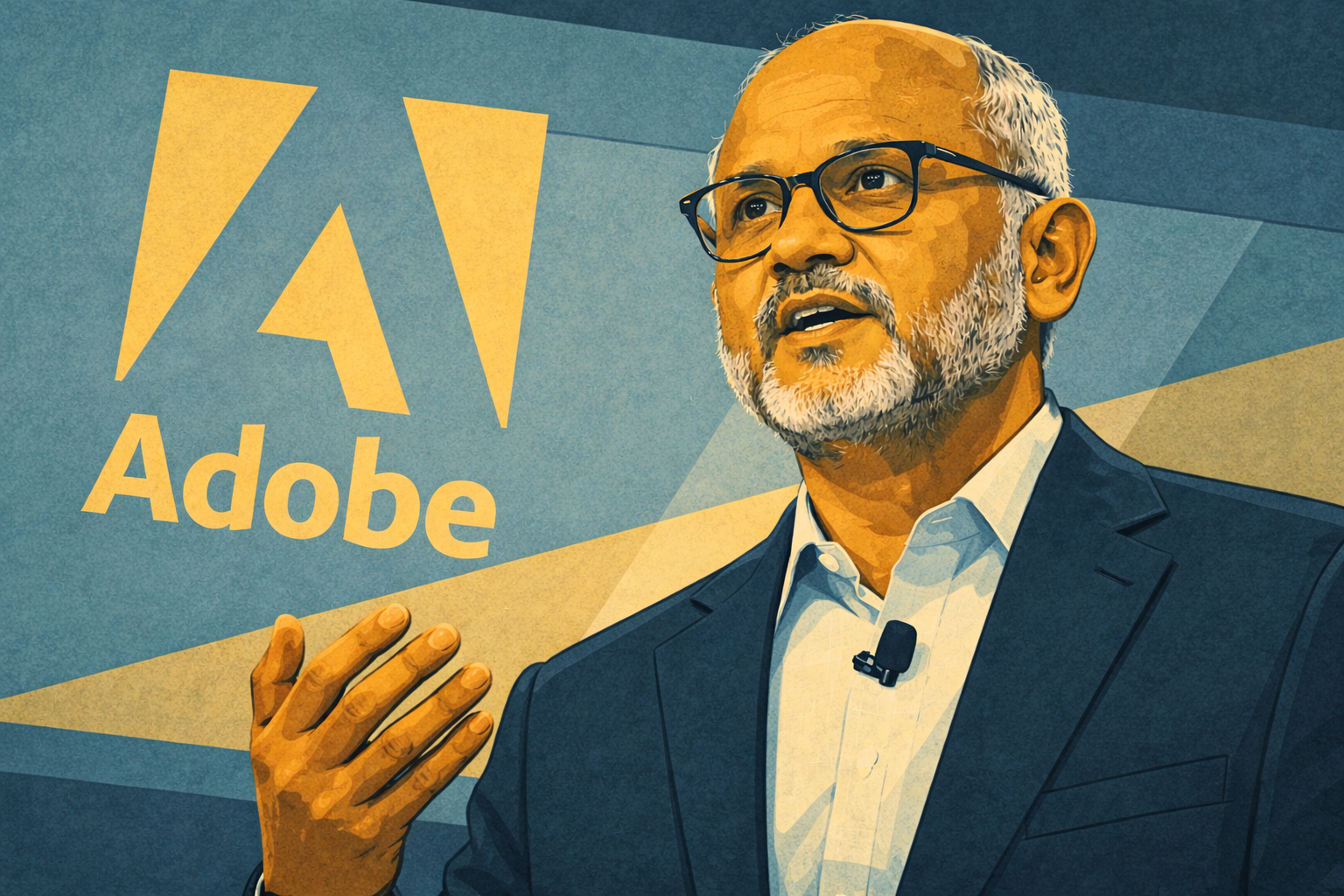
Succession looks different when the business model is shifting underneath. Adobe’s handover arrives with strong results, expanding AI products, and clear investor unease about monetisation, competition, and pace, making the search for a successor less a question of continuity than of how much reinvention a mature software company can absorb.
-

Women in business are gaining ground across the UK economy. Progress in leadership and representation is becoming easier to see, even as obstacles around pay, capital, and care remain. For employers and investors alike, the strongest case for backing women now rests as much in performance as principle.
-

CISOs must link cyber risk to business performance and profit. Thom Langford, CTO EMEA at Rapid7, argues that security leaders must translate technical metrics into financial and operational terms, helping boards understand how cyber incidents affect revenue, resilience, and long-term strategic decision-making.
-

Research commissioned by Alliance Manchester Business School finds 73% of UK senior decision-makers say their roles have become more complex since 2020, with artificial intelligence, cybersecurity risks, economic conditions, regulation, and shifting workplace expectations all contributing to the growing demands placed on leaders.
-

Entrepreneurs should prepare early before selling any asset. Gary Ashworth, Chairman of Albany Beck and author of “Double Up Money Mastery,” outlines the questions founders must ask to maximise value, manage risk, and approach negotiations with clarity and discipline.
-

UK SME wages fell in January. Employment growth reached 4.4% year-on-year, its strongest level since March 2025, even as monthly pay declined for the first time in 12 months, according to Employment Hero’s latest UK Jobs Report.
-

AI-first organisations integrate literacy across culture and leadership. Alex Rumble, AI Ambassador & CMO at HTEC, argues that sustainable AI adoption depends on organisational architecture, leadership capability, and diversity — not pilot programmes or cost-cutting exercises.