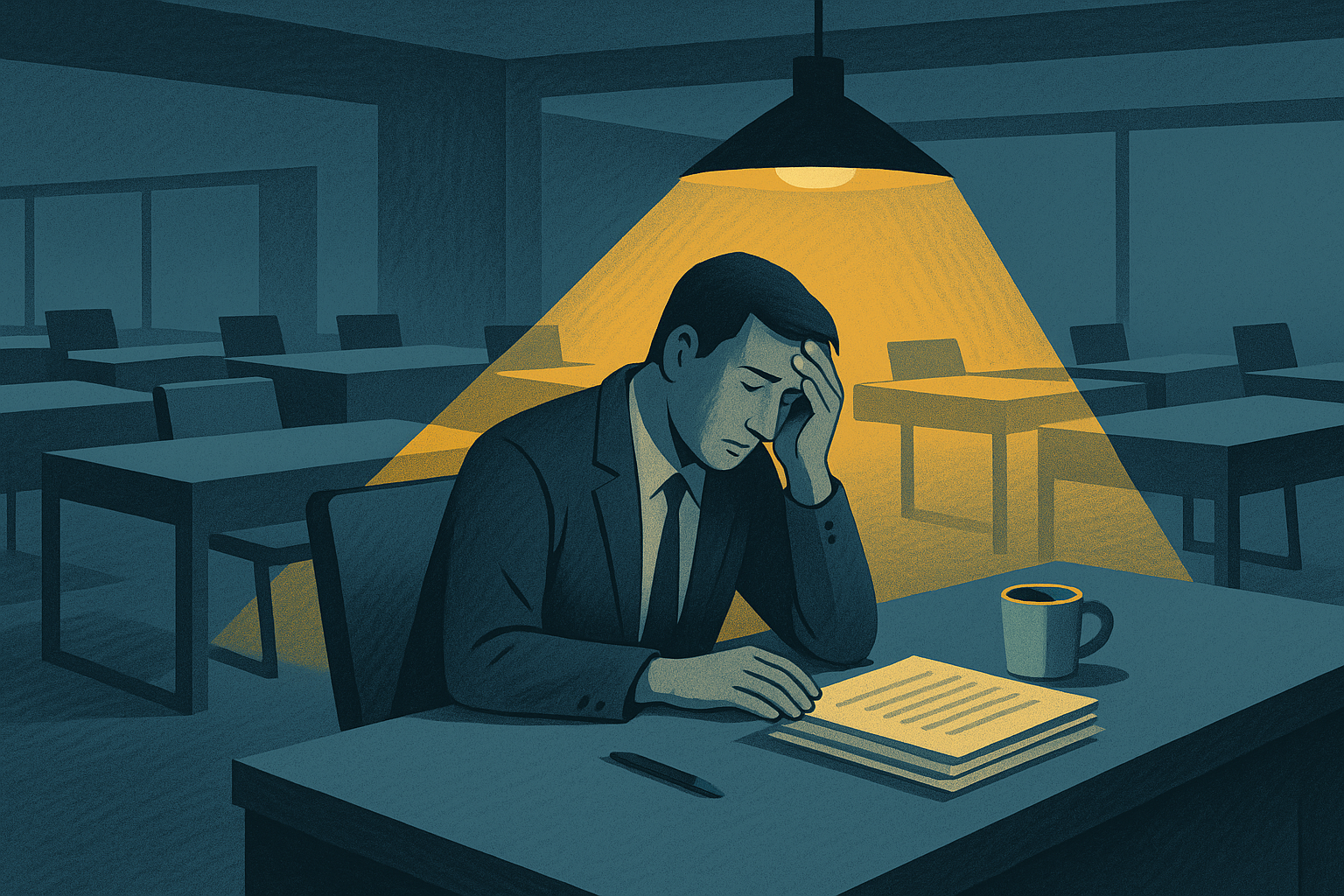
UK employees are missing almost two full working weeks per year due to sickness, according to new research from the CIPD and Simplyhealth.
The study, based on responses from more than 1,100 employers, found an average of 9.4 days lost per employee in the past 12 months. This marks a steep rise from 5.8 days before the pandemic and up from 7.8 days recorded in 2023.
The report, Health and wellbeing at work 2025, links the rise in absence to growing rates of long-term health conditions among working-age adults. Government figures from the Keep Britain Working review indicate 8.7 million people now live with a work-limiting condition.
Mental ill health was identified as the leading cause of long-term absence, cited by 41% of employers, followed by musculoskeletal injuries such as back pain (31%) and other chronic conditions including cancer (30%). For short-term absences, minor illnesses such as colds and flu dominated at 78%, ahead of mental ill health (29%) and stress or caring responsibilities (both 26%).
Rachel Suff, senior wellbeing adviser at the CIPD, said: “It’s really important for individuals, organisations and society that employers take a proactive approach to support people managing health conditions while working. The longer someone is off, the more they might struggle to return.”
She added that flexible hours and workload adjustments could help prevent ill health from worsening. “Employers should also focus support on the areas where it’s needed most by addressing the main health risks to people. Since mental ill health is a leading cause of absence, taking targeted action to help employees deal with both work-related stress and personal challenges is crucial.”
Paul Schreier, CEO of Simplyhealth, highlighted a growing commitment among organisations to strengthen wellbeing strategies. “Employers have a crucial role in supporting employee health and driving a preventative approach, helping individuals stay in work while managing health conditions, benefitting both their workforce and the wider economy.”
While three-quarters of senior leaders now place employee wellbeing on their agendas, the survey finds that workplace action remains largely reactive. Access to counselling, phased returns, and employee assistance programmes are the most common measures offered. Training managers to support staff with mental health is less common — but where it is in place, employers report a marked increase in managers’ confidence to recognise and respond to issues.