Hundreds of thousands of self-employed tradespeople and builders face an additional layer of tax administration as Making Tax Digital reforms take effect, according to new research from Tradesman Saver. The insurer said many in the sector are already under pressure from rising day-to-day costs, with cashflow and equipment expenses adding to the strain.
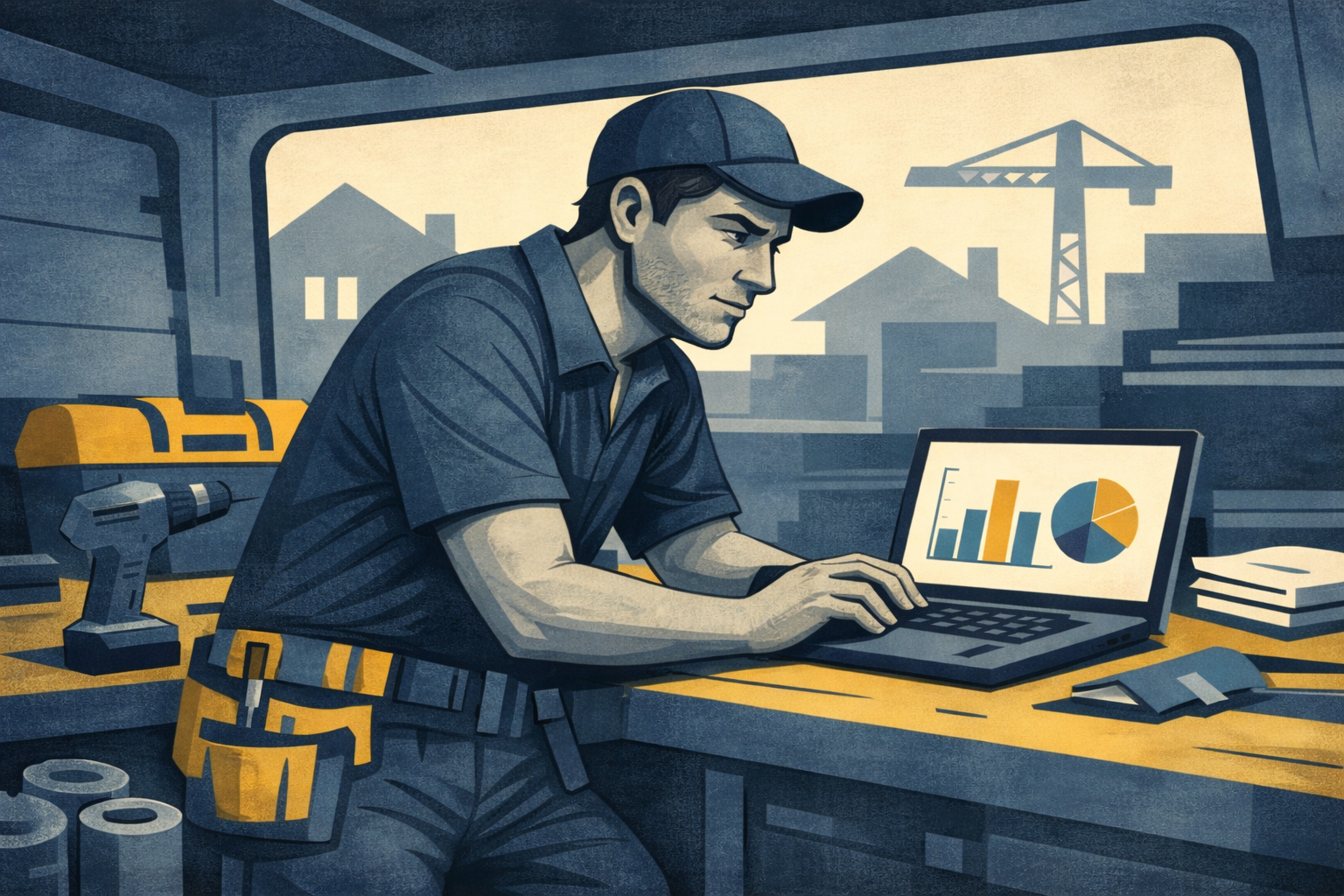
The research found that 61% of tradespeople currently manage their accounts themselves, while only 21% use an accountant or bookkeeper. A further 17% rely on a partner or spouse to handle their finances. That matters because the shift to Making Tax Digital will require many sole traders to keep digital records and submit quarterly tax updates, introducing new processes for workers who may not yet have formal accounting support in place.
Tradesman Saver’s wider data suggests the compliance change is landing at a difficult moment. Rising fuel and transport costs were cited as the biggest financial pressure by 45% of respondents, followed by household inflation at 39% and energy bills at 34%. One in five said late or missed payments from customers were affecting cashflow, while 29% pointed to rising tool and equipment costs and 26% highlighted income tax as a growing burden.
The government’s timetable gives the issue added immediacy. HMRC says Making Tax Digital for Income Tax became mandatory from 6 April 2026 for sole traders and landlords with qualifying income over £50,000, with the threshold due to fall to £30,000 from 6 April 2027 and £20,000 from 6 April 2028. For tradespeople who still handle bookkeeping in the margins of the working day, that pushes digital record-keeping and regular reporting higher up the to-do list.
Dean Laming, Managing Director of Tradesman Saver, said: “Making Tax Digital comes at a time when many tradespeople are already stretched, facing rising costs and ongoing cashflow challenges, and fitting admin into evenings and weekends. There are around 700,000 self-employed workers across construction. Our data shows that for many, the shift won’t just be a process change, it will mean adding another layer of financial responsibility, increasing the pressure on them in the short-term. However, those who adopt the right digital tools early are likely to benefit from greater visibility over invoices, payments and business expenses like insurance, which could ultimately put them in a stronger position.”
The research was carried out in March 2026 and surveyed more than 650 tradespeople. Its findings suggest the challenge is not only about tax compliance, but also about operational readiness. For sole traders balancing site work, invoices, and household costs, the move to quarterly digital reporting may be as much about finding time and software as it is about understanding the rules.