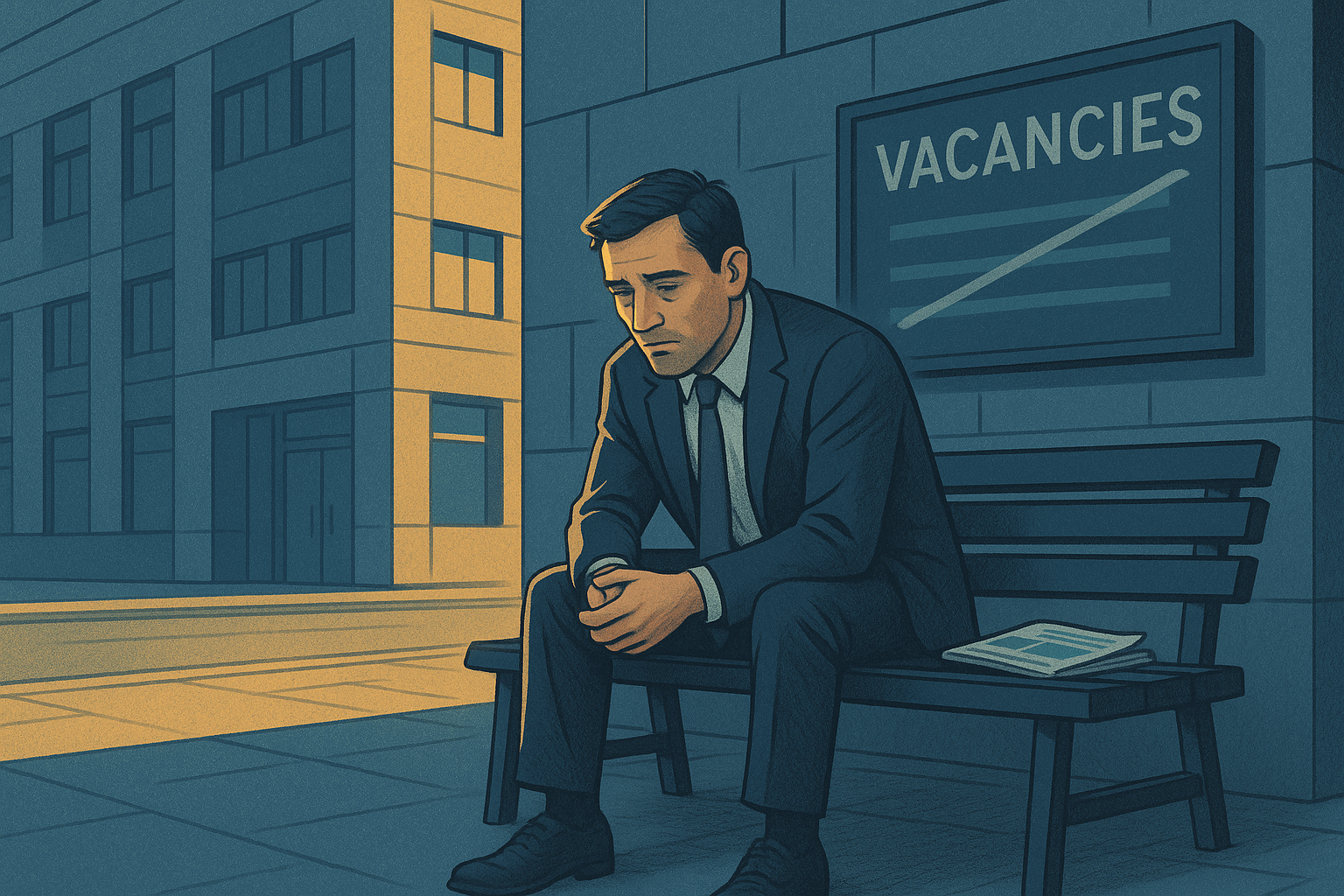
Morrisons has placed around 200 head-office roles in Bradford at risk as it reshapes parts of the business around automation, data, and artificial intelligence. That decision landed in the same week that Snap said it would cut about 1,000 employees, or 16% of its full-time staff, while saying advances in AI were helping it operate with smaller teams and that more than 65% of new code was now being generated by AI. Disney has also begun notifying staff of roughly 1,000 job cuts as it pares back costs and refines its structure. The immediate circumstances differ, but the pattern is becoming more familiar: AI is increasingly appearing alongside smaller workforces and tougher efficiency programmes.
There is nothing novel about companies using technology to remove repetitive work. Retailers have long automated stock management, pricing, and back-office processes. Media and technology groups have spent years looking for ways to produce more with less. What has changed is the speed with which generative AI has been folded into that argument, and the proximity between claims of better work and announcements of fewer jobs. That is shaping how these decisions are heard inside large organisations. An executive team may regard automation as a rational redesign of work. Employees are more likely to see the narrower, more immediate fact that roles are disappearing while management talks about productivity, agility, and faster execution.
Peter Fedoročko, Field CTO at GoodData, expresses the case for AI in direct terms: “AI will take your job — the parts you hate.” It is a view with substance behind it. Few organisations are well served by preserving manual reporting, repetitive administration, or process-heavy work that software can handle more quickly and more accurately.
The appeal of AI, in that sense, is not hard to grasp. It promises to reduce drudgery, shorten the distance between information and action, and leave more room for judgement, interpretation, and relationship-led work.
That argument, however, arrives in a labour market already saturated with anxiety about automation. A proposition that sounds constructive in a strategy presentation can sound altogether different when it lands alongside consultations, restructurings, and hiring freezes. Snap made the connection unusually plainly, telling investors that AI was enabling smaller teams. Morrisons has linked its proposed cuts to a broader effort to streamline operations by automating manual tasks and making greater use of data and AI. Disney’s emphasis has been less explicit, but the reduction in headcount sits within the same push for a leaner, more technologically capable organisation. The commercial logic may be clear enough but the human response is no less predictable.
None of this makes the pro-AI case insincere. In some businesses, it will prove correct. Routine tasks will shrink, some roles will improve, and new areas of work will emerge around oversight, exception handling, governance, and customer judgement. Yet employees form views from what they can see, and what they can see this week is a run of large employers cutting jobs while describing AI as part of the route to a more efficient future. That does not invalidate the strategy, though it does mean optimism on its own will not carry much weight.
Precision counts for more than uplift. If a company is reducing headcount mainly because margins are under pressure, that is the fact to state. If technology is genuinely changing the shape of work, the explanation needs to go further than broad promises about freeing people from low-value tasks. Which tasks are being removed, which parts of the role remain stubbornly human, and what new expectations now attach to the jobs left behind? Those are operational questions, not rhetorical ones. Without clear answers, the gap between what employees are told and what they infer will widen quickly.
Support also needs to be visible. A business that says AI will improve work should be able to show what follows from that claim: retraining where it is viable, redeployment where it exists, and role design that does more than concentrate the same volume of work among fewer people. Otherwise, the promise of higher-value work risks sounding like a polished description of intensification. Staff do not require false comfort. They do, however, notice when the future being described bears little resemblance to the one taking shape around them.
Technology has always redrawn the boundary between routine and judgement. AI will do the same, and in many cases more quickly than previous waves of enterprise software. Some of that change will be valuable and overdue. Even so, the current round of announcements has made one point plain enough: when companies pair AI ambition with job cuts, they are not simply introducing new tools. They are rewriting the terms on which work is understood, measured, and defended. That calls for a steadier account than optimism on its own can provide.