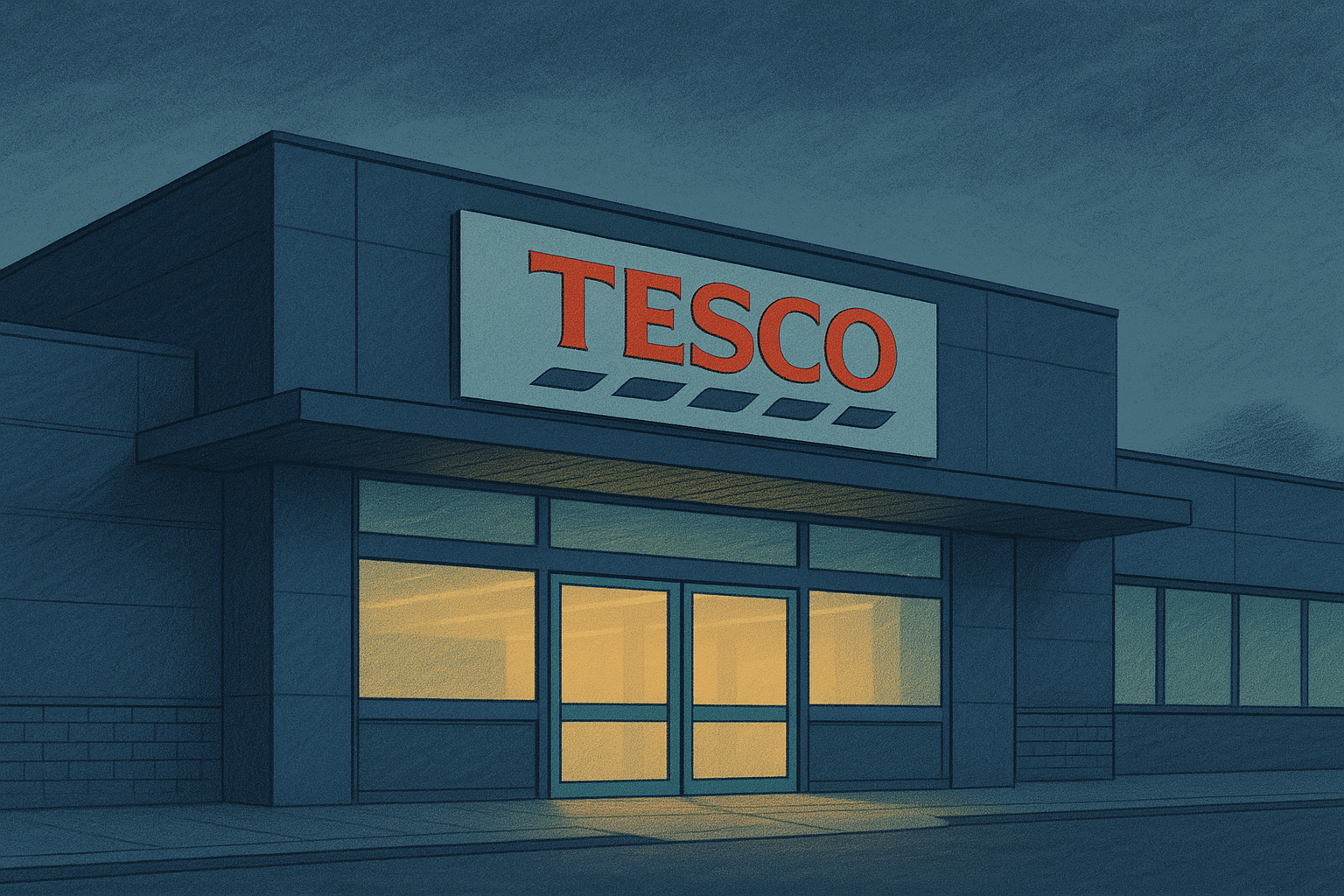
Tesco CEO Ken Murphy has cautioned Shadow Chancellor Rachel Reeves that businesses will have difficulty absorbing further costs, amidst growing fears of another tax increase in the upcoming budget. UK retailers have already been impacted by higher labour costs following an increase in the minimum wage and employer’s national insurance contributions, which took effect after changes announced in last October’s budget.
Tesco, employing over 330,000 individuals in the UK, is facing an annual increase in national insurance payments of £235 million and a £90 million annual expense due to the new Extended Producer Responsibility (EPR) packaging levy. “In the last Budget, the sector incurred substantial additional operating costs and we’re doing our best to deal with that, but enough’s enough,” Murphy stated during a call with reporters.
He added, “As a food retailer, we operate in a very competitive, tough environment, and I think our one ask is that you don’t make it harder for the industry to deliver great value for customers.”
Despite these challenges, Tesco has increased its profit guidance for the current financial year after a summer sales boost, with full-year profit now projected to be between £2.9 billion and £3.1 billion, up from the previous range of £2.7 billion to £3 billion.
Businesses have expressed concerns over changes to the business rates system next year, which will see large stores paying a higher tax rate to fund a reduction for smaller shops. However, it appears Reeves may exempt large stores, including supermarkets, from the higher tax band due to warnings that the increased burden could exacerbate food inflation, according to the Financial Times.
If Reeves does not alter the course, business rates could rise by an estimated 26 per cent across London, increasing from £9 billion to £11 billion.