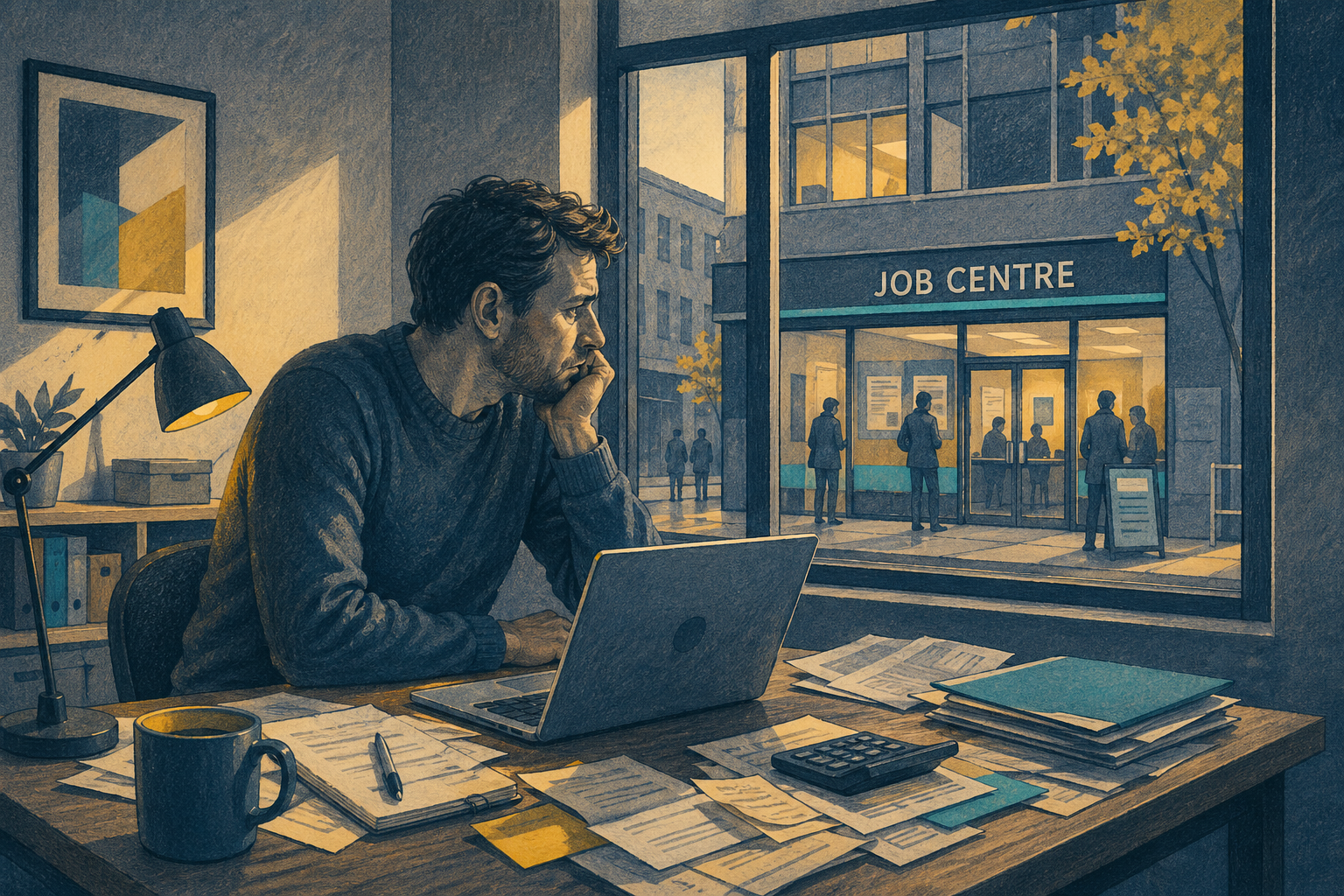
More than half of respondents in new research from The Accountancy Partnership said they had considered leaving self-employment and returning to traditional employment in the past year, as rising costs, unstable workloads, and unpaid labour weigh on small business owners.
The survey of 1,060 freelancers and self-employed professionals across the UK found that 50.7% had considered quitting self-employment within the past 12 months. Within that group, 16.4% said they had seriously considered leaving self-employment altogether, while 34.3% said they had briefly considered returning to employment.
Respondents across several sectors pointed to inconsistent work as a central pressure. In the creative industries, 40.3% said inconsistent work was their biggest threat. In construction, 42.5% said they were struggling to find regular work, while 68.6% of health and fitness professionals said consistent work was their biggest concern.
Client spending is also under strain. Half of creative professionals surveyed said budget cuts had negatively affected their work, and 46.6% of construction respondents said inflation and rising costs were hurting their business. Together, those factors are making income harder to predict.
The survey also pointed to a growing burden of unpaid labour. More than seven in 10 respondents, or 70.9%, said unpaid work is expected or becoming more common in their industry. Two in five, or 42%, said they work at least five unpaid hours each week, and 22.9% said they regularly work more than 10 unpaid hours per week.
That unpaid time often includes proposals, new business pitches, meetings, invoicing, and extra revisions outside agreed scopes. Alongside paid client work, administrative obligations such as bookkeeping and tax reporting continue to take up hours that do not directly generate income.
Lee Murphy, Managing Director at The Accountancy Partnership, said: “Self-employment offers flexibility and independence, but it can also come with significant uncertainty. Many people experience periods where work slows down or costs rise, which can naturally lead them to question whether a more traditional role might offer greater stability.”
Tax administration is also set to become more demanding. Under Making Tax Digital for Income Tax, self-employed individuals earning more than £50,000 will need to submit quarterly digital updates to HMRC from April 2026, with further expansion expected in later phases.
Despite the pressure, the survey suggests many still value the autonomy of self-employment. More than half said their work-life balance had improved since becoming self-employed.
Murphy said: “For many people, the benefits of being their own boss still outweigh the challenges. Self-employment allows individuals to choose their projects, structure their work around their lives, and pursue opportunities that may not exist within traditional employment.”
The full findings are set out in The Industry Frustration Report.