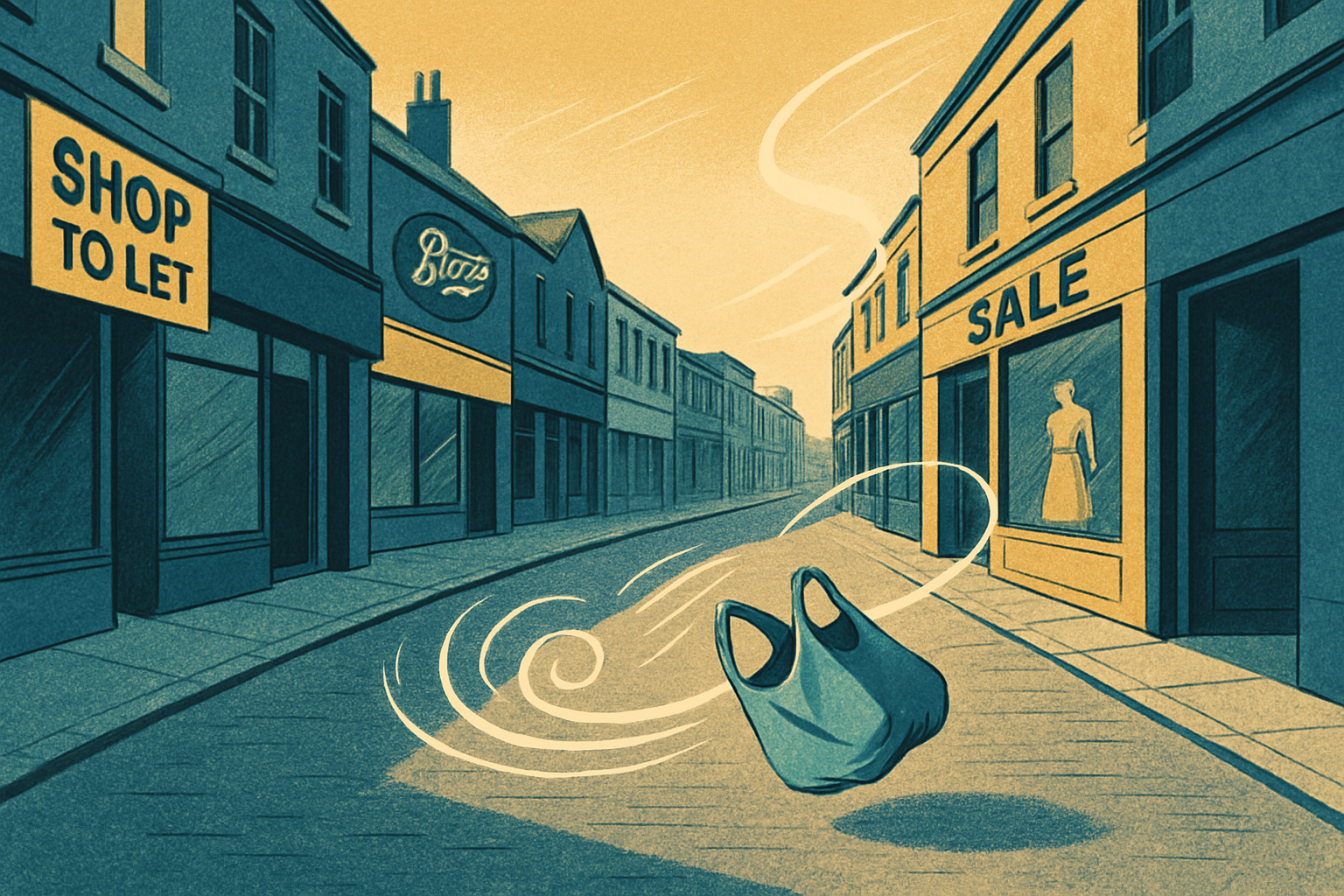
Profit alerts among retailers more than doubled in the second quarter as consumers curtailed their spending and companies grappled with escalating wage costs, according to a report.
The latest analysis from EY-Parthenon also indicated that overall profit warnings among UK-listed firms increased by a fifth year-on-year during the second quarter, with an unprecedented proportion attributing this to policy changes and geopolitical uncertainty as the primary factor.
The data revealed that seven UK-listed retailers, including supermarkets, reduced profit guidance between April and June.
Britain’s retail sector has been under considerable pressure since last autumn’s Budget decision to increase National Insurance Contributions (NICs) and the minimum wage, both effective from April.
However, EY noted that the high street is also contending with challenging consumer spending conditions, as shoppers cut back and focus on value.
EY partner Silvia Rindone commented that the rise in retail warnings “highlights both softening consumer demand and the deeper structural headwinds facing the sector.”
“Retailers we engage with report that declining sales currently reflect a longer-term shift, with consumers becoming more value-focused and less brand-loyal, which places cost-pressured retailers in a difficult position,” she stated.
Tariff concerns, fuelled by US President Donald Trump’s trade war, were also prominent in the report, contributing to an increase in alerts more broadly across corporate plc.
The report found that the number of profit warnings issued by UK-listed companies rose to 59 per cent in the second quarter, compared with 49 per cent a year ago.
The leading factor was policy change and geopolitical uncertainty, cited in nearly half (46 per cent) of all warnings, up from 4 per cent a year earlier and the highest since the study began over 25 years ago.
Over one in three (34 per cent) warnings highlighted tariff-related impacts, such as weaker demand, supply chain disruption, and currency volatility.
The proportion of warnings citing contract and order cancellations or delays remained at a record high of 40 per cent in the quarter.
Jo Robinson, EY-Parthenon partner and leader in turnaround and restructuring strategy, stated: “The latest profit warnings data reflects the scale of persistent uncertainty and how heavily it continues to weigh on UK businesses.”
“While this uncertainty has been a recurring theme since mid-2024, it has intensified this year, driven largely by geopolitical tensions and policy shifts, compounding pressure on both earnings and forecasts.”
“While the announcement of global tariffs has clearly contributed to amplifying uncertainty, they are just one factor among broader geopolitical and policy upheaval.”