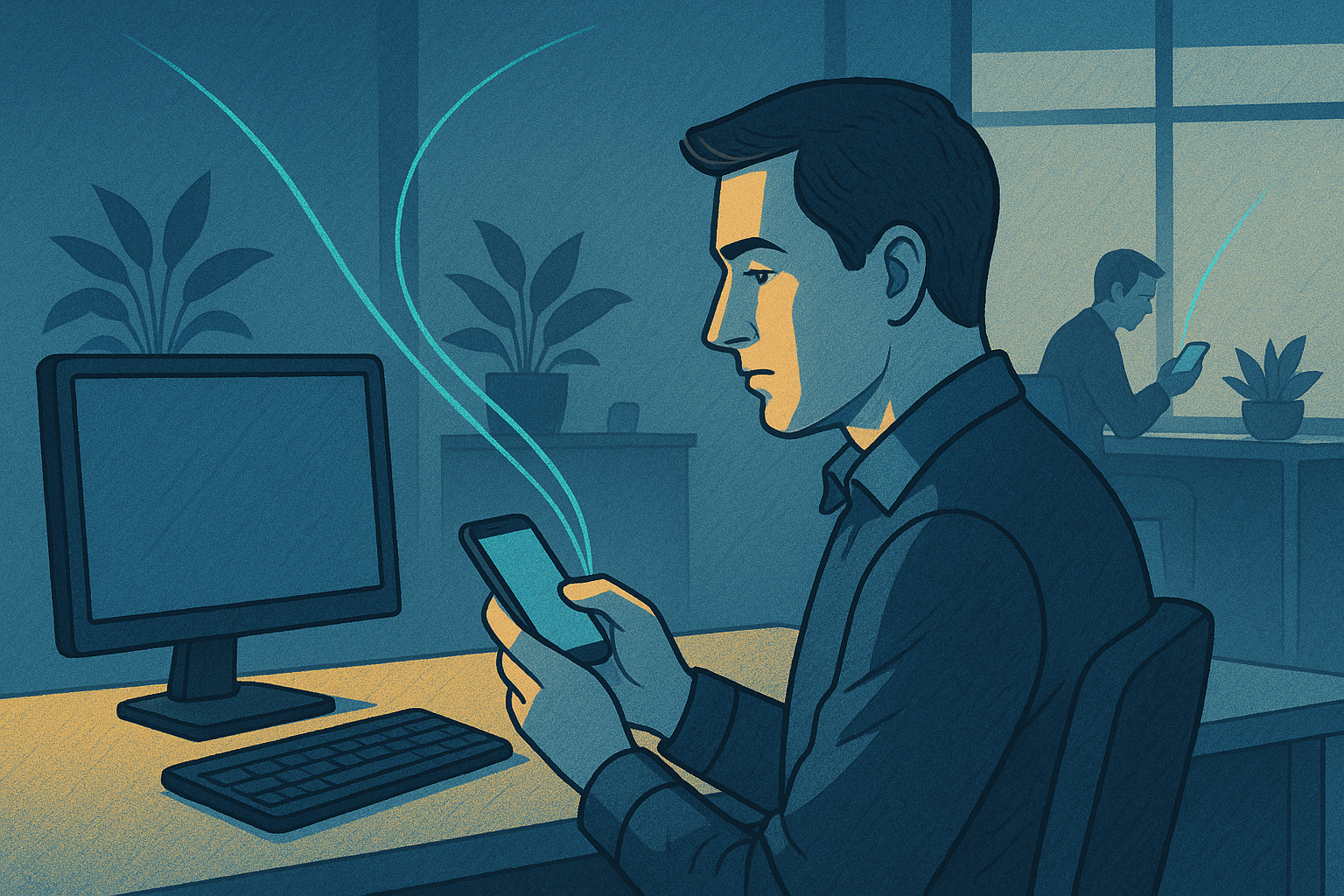
As millions prepare to spend on smart technology this Black Friday, new research from EE suggests that connectivity frustration is becoming part of the experience. The network operator found that while 12.8 million consumers plan to purchase connected devices this weekend, 31% struggle to keep their gadgets talking to one another — from smart rings to wireless headphones.
According to the study, the typical UK household now contains an average of nine connected devices. Smartphones remain the most common, with 43.6 million in use across the country, followed by laptops (28.6 million), smart TVs (27.8 million), and tablets (24.5 million). Yet an estimated 17 million consumers report having at least one device out of sync this year, and 12 million say a gadget has remained unlinked for more than a month.
Patience appears to be a defining factor. A third (33%) of respondents said they lose interest if a smart gadget cannot be connected within five minutes, while nearly as many (32%) admitted to anger during setup. Around one in five (18%) confessed to buying connected devices they never activate.
Parents often turn to younger generations for help: 38% said they rely on their children to troubleshoot connectivity issues. A third of consumers (31%) resort to “pushing buttons until something works”, according to the report, yet only 4% have ever sought expert help when pairing devices.
EE’s Retail Director, Asif Aziz, said the data highlights the gap between enthusiasm and know-how. “With Black Friday sales in full swing, smart devices, from TVs to laptops, are among the most popular items for bargain-hunting consumers,” he said. “While most of us are quick to get a new device out of the box, understanding the smart features and connecting it up to our other tech often gets put off or forgotten. As a result, we risk not making the most of the tech we have bought.”
To help close that gap, EE is offering free in-store appointments with its EE Guides, who advise customers on how to set up, connect, and optimise their devices. The consultations are available to both EE customers and non-customers. The company has also opened interactive Experience Stores where visitors can test connected devices and explore new smart technologies in person.
The research comes amid record spending forecasts for the 2025 Black Friday weekend, driven by consumer demand for digital lifestyle products and AI-enabled devices. While the UK leads Europe in household smart device ownership, EE’s findings underline a persistent skills challenge — connecting technology may be as big a hurdle as buying it.