-

German industry delivered a positive surprise in May 2025. Output rose 1.2%, outpacing forecasts and marking the sector’s strongest monthly gain since January. Gains in autos, energy, and pharmaceuticals offset continued weakness in construction and new orders.
-
Inflation in the euro area rose to 2% in June. The European Central Bank’s preferred gauge returned to target, led by persistent service-sector pressure even as energy prices fell again.
-
The EU has launched a five-pillar quantum plan. The Commission wants Europe to become a “quantum industrial powerhouse” by 2030 — and is drawing up a Quantum Act to boost investment, secure infrastructure, and scale start-ups. Six pilot chip lines and a new quantum academy will launch by 2026.
-
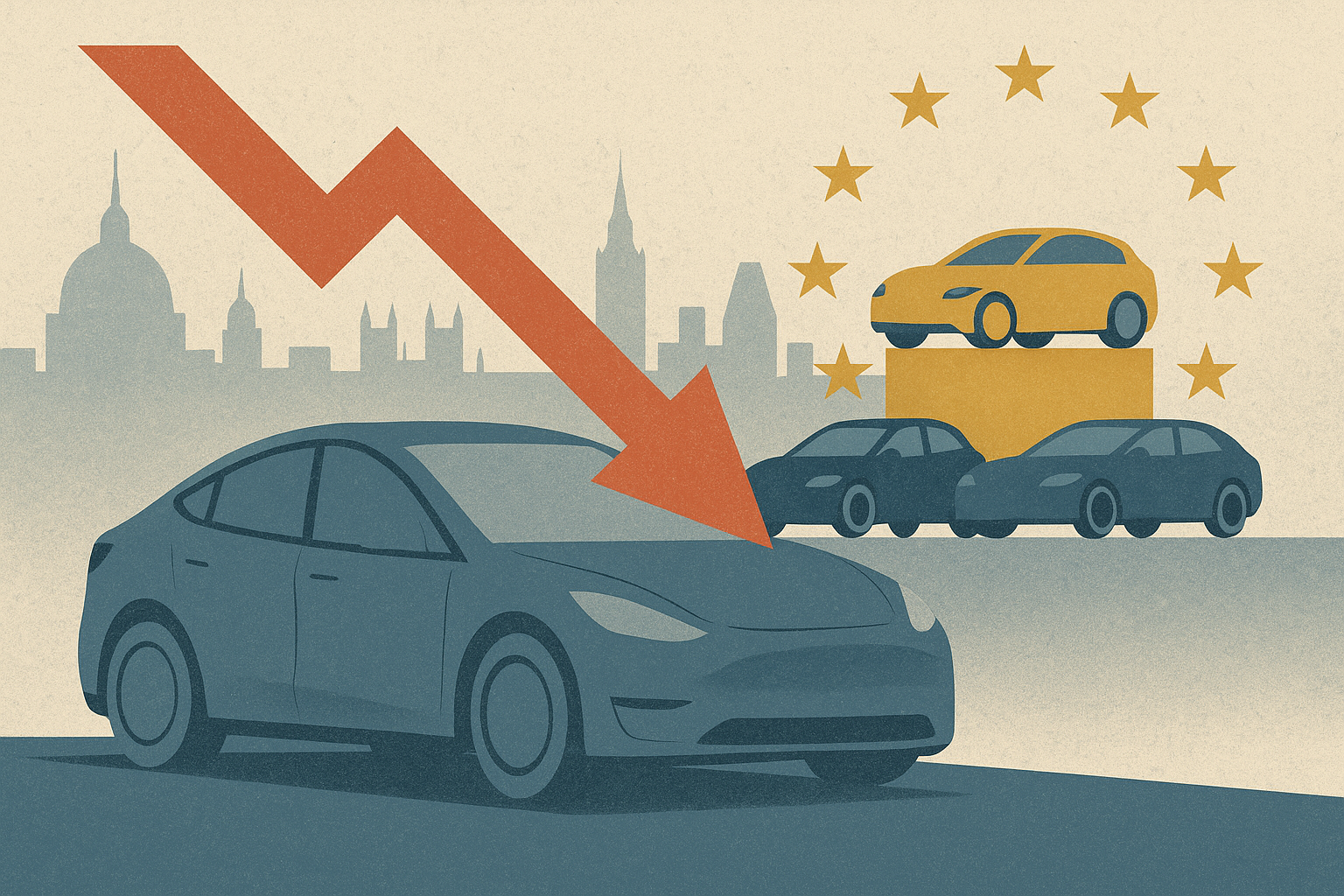
Tesla’s European sales decline as consumers favour cheaper rivals. Tesla’s sales in Europe dropped for the fifth consecutive month, with a 40.5% decrease in May. The carmaker’s market share fell to 0.9%, as buyers turn to cost-effective alternatives and controversies around Elon Musk impact sentiment.
-
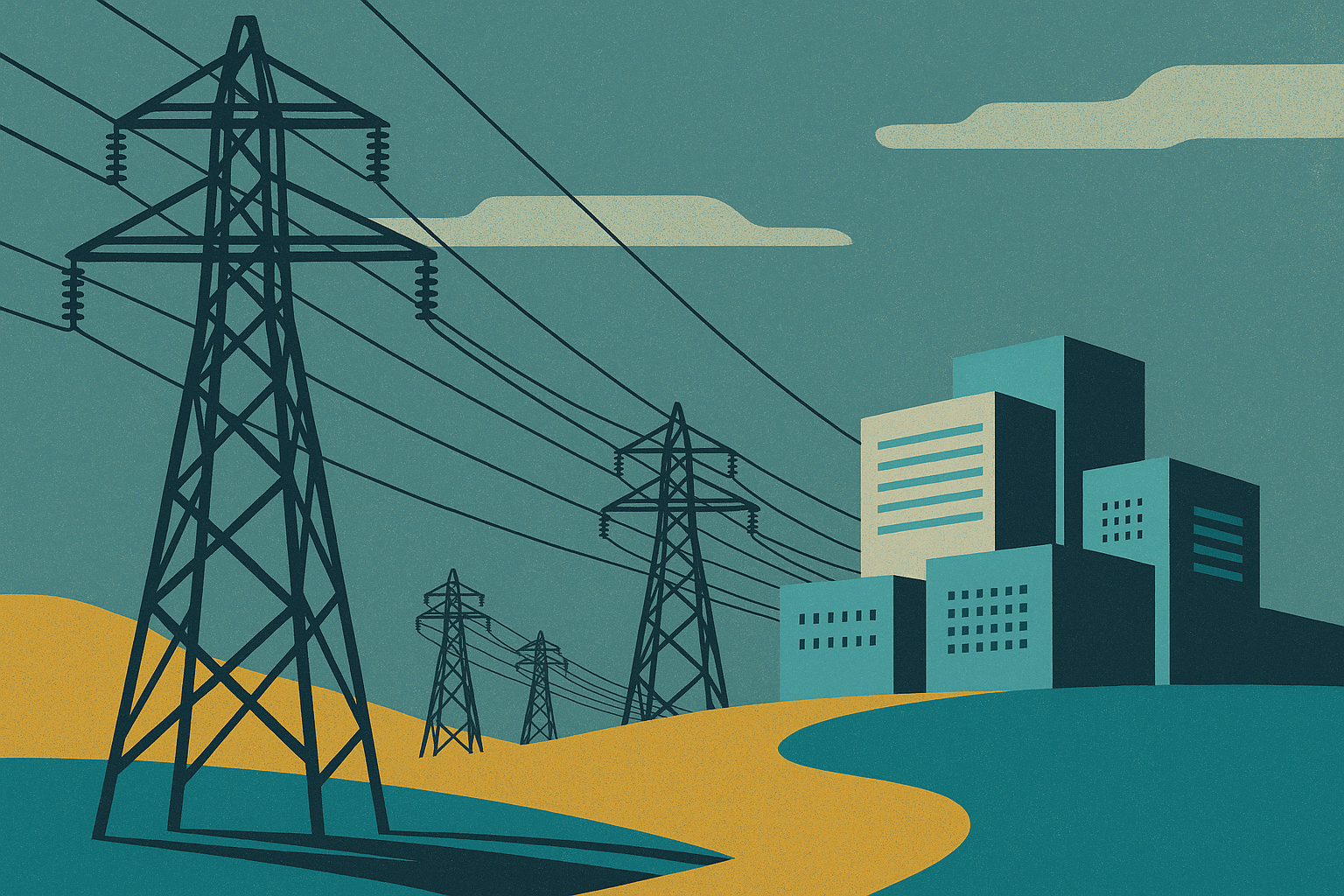
Europe’s AI future hinges on grid speed. A new report warns that poor electricity grid planning could result in 13-year connection delays for data centres, pushing billions in investment away from the continent’s traditional tech hubs and towards more agile markets in southern and central Europe.
-
-

Eighth interest rate cut in 12 months sees deposit rate fall to 2% as eurozone braces for U.S. duties.
-

Europe has the tools to lead in software — if it acts now.
-

The UK-EU deal highlights a timeless lesson: when decisions are divisive, how you tell the story can shape the outcome.
-

The new UK-EU reset slashes border friction and carbon costs — rewriting logistics maths for manufacturers, hauliers and retailers on both sides.