
-

Business Quarter Issue 3 is live, helping leaders navigate uncertainty. The new edition examines planning, AI, trust, and growth in a market where certainty is scarcer than it once was.
-

Energy risk is familiar, but this disruption is arriving through different channels. The latest Middle East escalation is exposing how oil, water, shipping, insurance, and supply chains can converge into a broader operating threat, forcing companies to reassess contingency planning, communications, and financial exposure.
-

The UK jobs market may look flat, but the latest ONS data prompted a sharper message from employers and labour market specialists: hiring is getting harder, entry routes are narrowing, and younger workers are bearing the brunt.
-

Bank Rate stayed put as markets weighed inflation and conflict. Property and business leaders said the hold offers short-term stability, though energy prices, borrowing costs, and wider geopolitical risk are still feeding caution into investment and household finances.
-
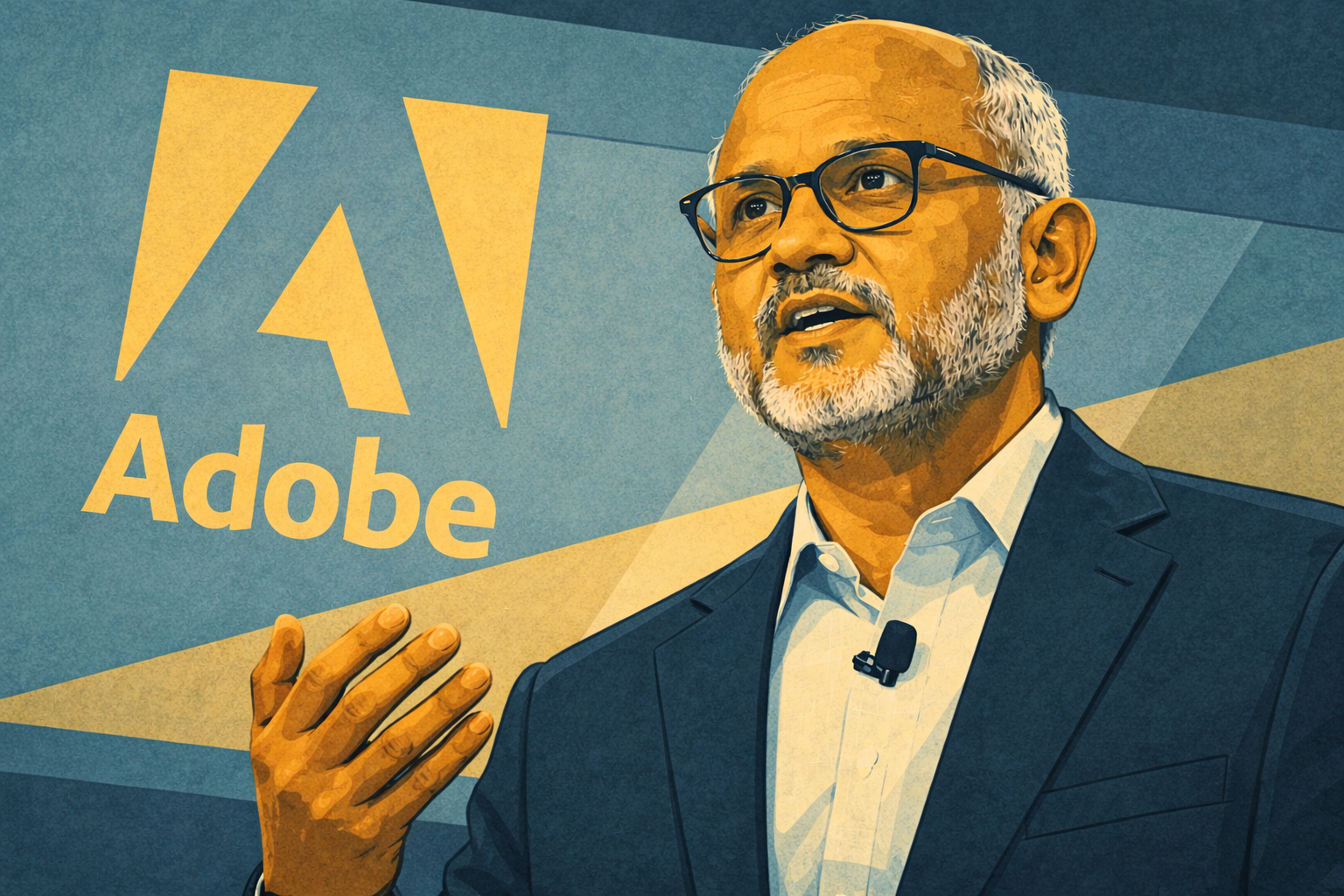
Succession looks different when the business model is shifting underneath. Adobe’s handover arrives with strong results, expanding AI products, and clear investor unease about monetisation, competition, and pace, making the search for a successor less a question of continuity than of how much reinvention a mature software company can absorb.
-

AI can lift valuations while quietly eroding confidence inside organisations. The emerging tension is no longer technological capability alone, but whether companies can promise productivity, faster growth, and leaner structures to markets without convincing employees that the gains will be financed by diminished security, thinner career paths, and weaker reciprocity.
-

Europe is discovering sovereignty sounds easier than procurement actually is. As Brussels pushes for more local control over cloud, compute, and AI infrastructure, companies are weighing resilience against cost, lock-in, and execution risk, exposing a widening gap between political ambition and the commercial realities of buying enterprise technology at scale.
-

In software, context may now matter more than features alone. As AI lowers the cost of building and copying product capabilities, the deeper advantage sits in proprietary data, workflow history, governance, and embedded operating context that make automation useful in live environments rather than merely impressive in a demonstration today.
-

Layoff language matters most when technology begins redrawing the contract. At Atlassian, the challenge is not only explaining fewer roles, but explaining why AI changes the skills mix, what retraining could not solve, and how leaders avoid sounding evasive when strategy, headcount, and empathy collide in one announcement to staff.
-

Britain’s digital ID consultation revives questions over trust and design. Estonia’s long-running digital identity system shows adoption grows gradually when services are transparent, voluntary, and useful in everyday life, offering policymakers a reference point as the UK examines how digital credentials could reshape access to public services.