-

Ofgem has announced plans to reduce Britain’s mounting energy arrears through a £500 million debt-relief scheme. The regulator said household energy debt now exceeds £4.4 billion, adding pressure to an already fragile consumer market.
-
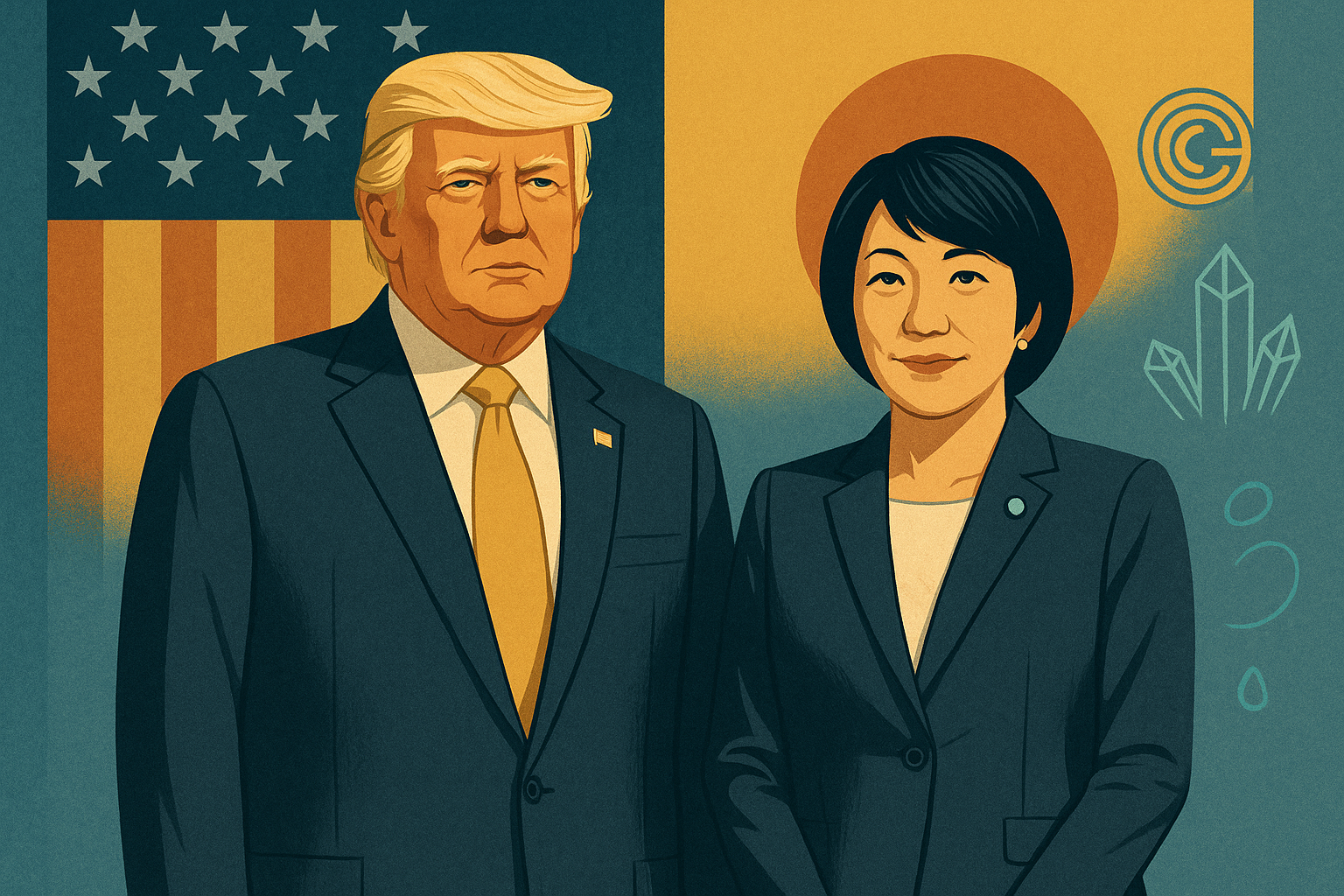
Trump met Japan’s new prime minister in Tokyo on Monday. The two leaders signed a critical-minerals deal to reduce reliance on China, as the U.S. president praised Sanae Takaichi’s historic appointment and reaffirmed the nations’ long-standing security alliance.
-
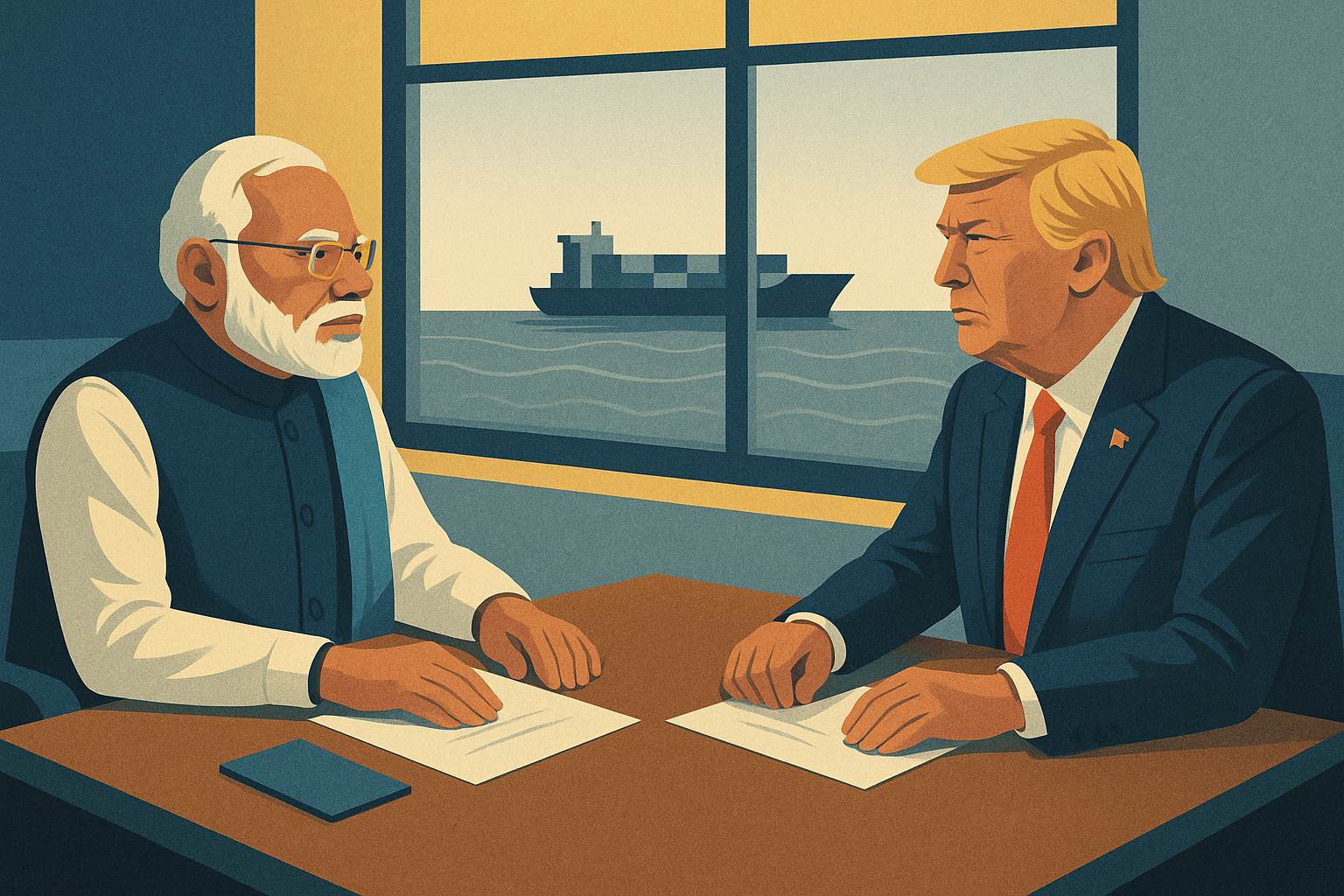
India and the United States are nearing a major trade deal. The agreement, first reported by Mint, would cut U.S. tariffs on Indian exports from about 50% to between 15% and 16% — the most substantial adjustment to trade terms between the two countries in more than a decade.
-

Sixty per cent of security leaders see supply chain risks as unmanageable. A new IO study reveals that confidence in cybersecurity response far exceeds real-world resilience, as 61 per cent of organisations suffered third-party breaches in the past year, driving financial losses and customer disruption across the board.
-
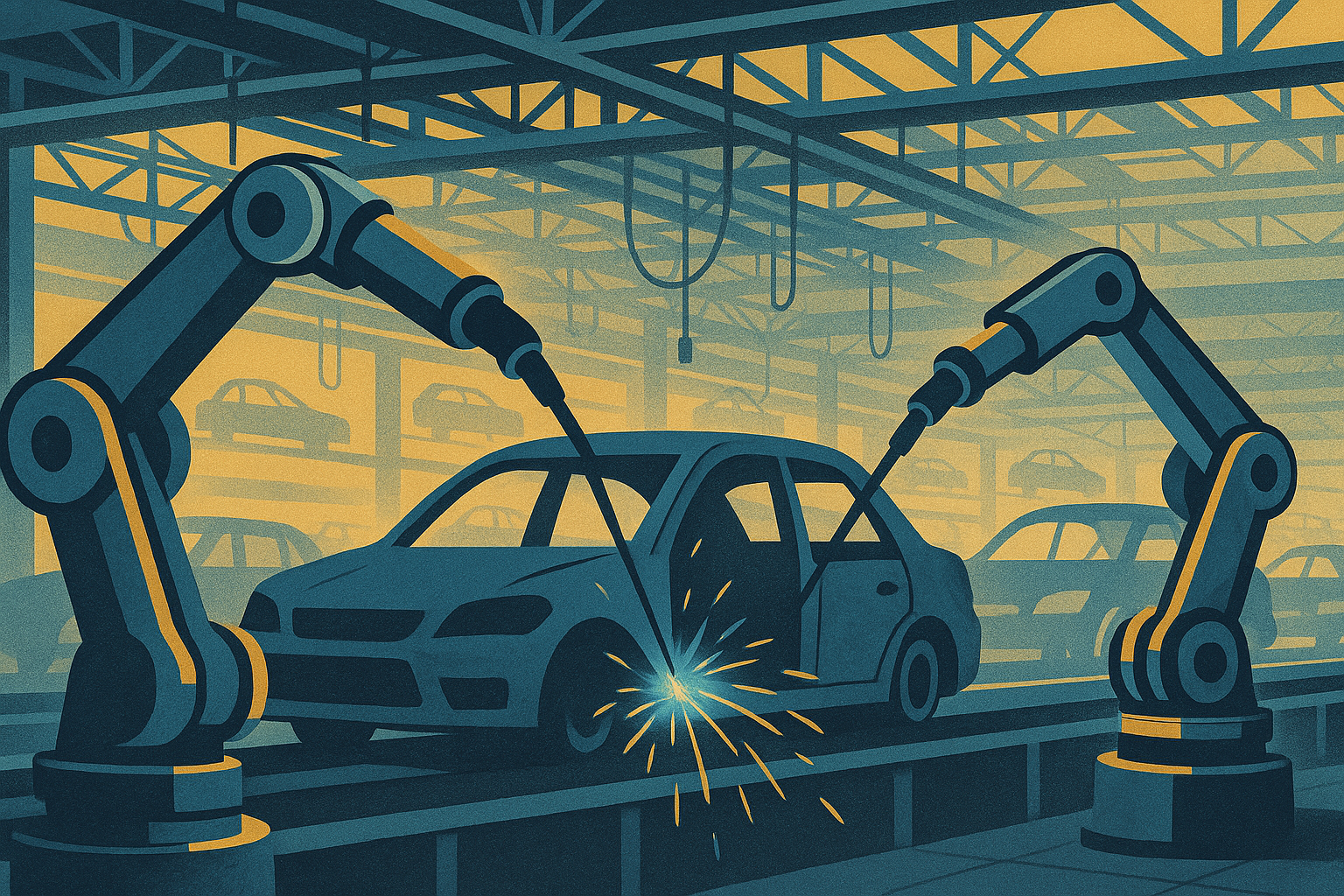
A new report quantifies Jaguar Land Rover’s cyber losses. The attack’s £1.9 billion economic cost reflects six weeks of halted production and supply-chain disruption across more than 5,000 UK businesses, prompting emergency government support and redefining the financial scale of industrial cyber risk in Britain.
-

JCB CEO warns against harmful tax increases in upcoming Budget. Graeme Macdonald expresses concern over potential tax hikes affecting inward investment and British business, joining growing number of business figures voicing concern ahead of November’s budget.
-
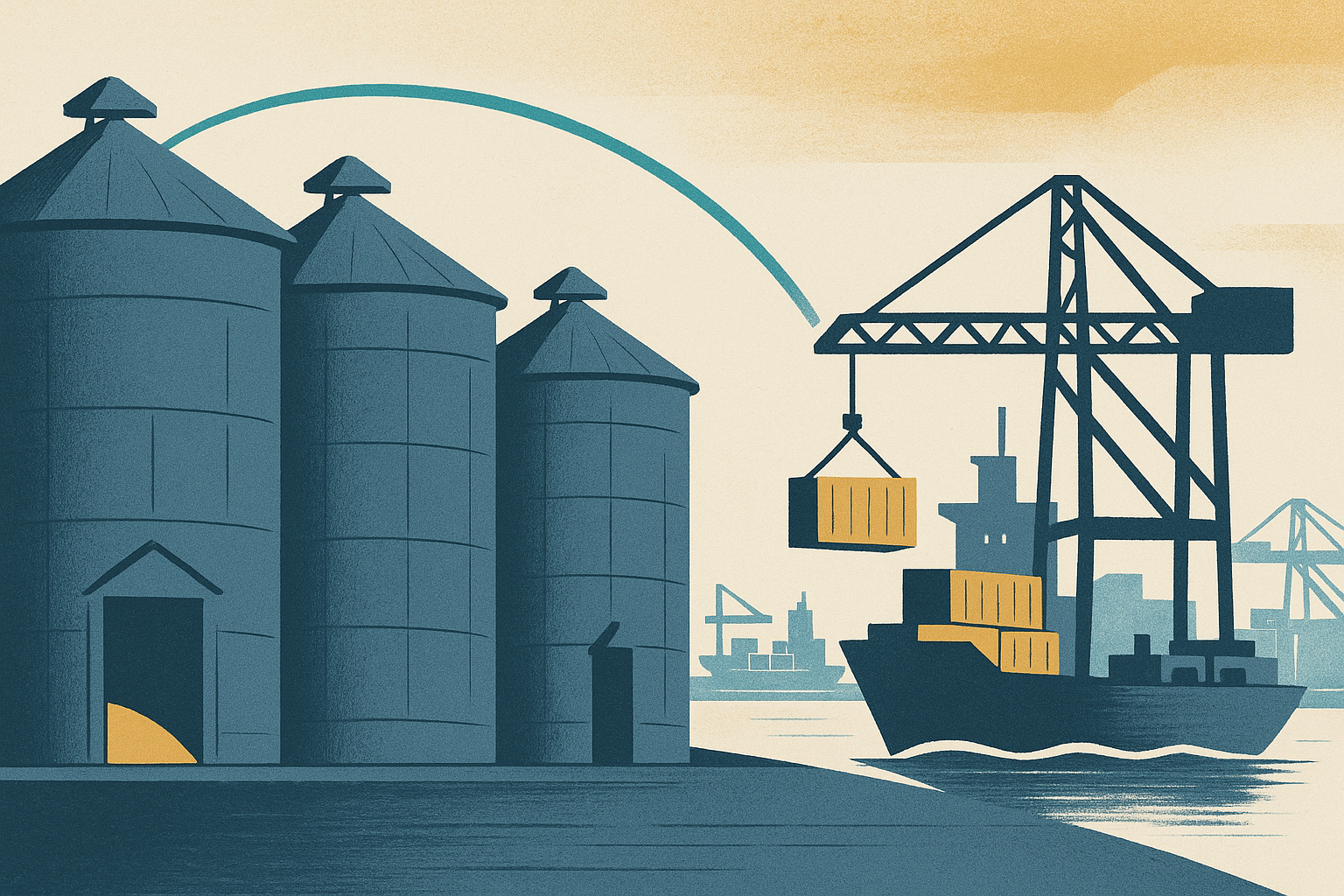
China imported zero soybeans from the United States in September 2025. The absence of U.S. shipments — the first in seven years — highlights deepening trade frictions and a reordering of global agricultural supply chains.
-

Indian textile exporters are shifting markets as tariffs squeeze margins. Exporters hit by new 50 percent U.S. import duties are redirecting orders toward Europe, offering steep discounts to retain American buyers, and eyeing Africa for lower-tariff production — but the transition is fraught with cost, compliance, and competitiveness pressures.
-
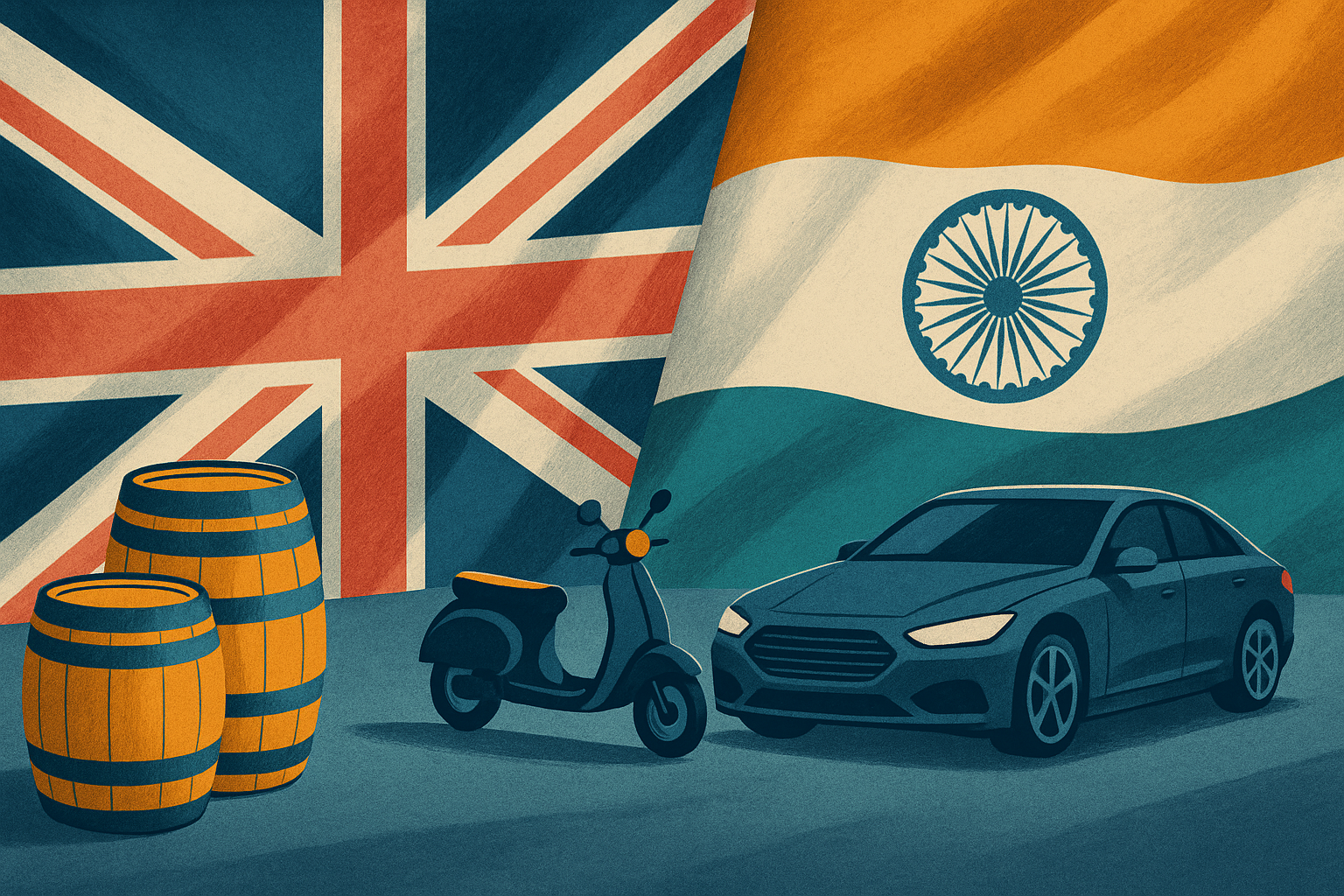
Starmer meets Modi in India’s capital to push delivery. The UK Prime Minister used his largest-ever trade mission to emphasise implementation, pledging £1.3 billion in new investment and promising faster progress on the UK–India trade deal signed in July. Businesses on both sides welcomed the ambition but warned delivery will define success.
-
Jaguar Land Rover’s production pause has disrupted the UK automotive supply chain. Directors seeking emergency funding are being urged to check their exposure to personal guarantees, as rising finance pressures put smaller suppliers at risk.