
-

The cyber weak point increasingly sits beyond the core stack. Fresh warnings on messaging app targeting, botnets built from neglected devices, and the resilience of threat actors after takedowns all point to the same problem: organisations still struggle more with behaviour, asset visibility, authentication, and third-party control than with encryption itself.
-

Deal confidence is rising faster than credit market trust can follow. A stronger M&A outlook now sits alongside strain in private credit, leaving boards to reconcile strategic ambition with harder questions about liquidity, underwriting, lender concentration, covenant quality, and whether the financing supporting a transaction is as durable as the deal thesis itself.
-

EU cyber rules force faster vulnerability reporting and operational change. Sylvain Cortes, VP Strategy at Hackuity, says organisations will need real-time visibility across software supply chains, stronger data consolidation, and faster remediation processes to meet the Cyber Resilience Act’s 24-hour reporting requirement.
-

AI is moving from assistance towards delegated action inside chat. Tencent’s latest WeChat move points to a wider shift in enterprise technology, where the real question is no longer whether employees use AI, but how companies govern permissions, approvals, audit trails, and accountability once software begins acting on a worker’s behalf.
-

Business Quarter Issue 3 is live, helping leaders navigate uncertainty. The new edition examines planning, AI, trust, and growth in a market where certainty is scarcer than it once was.
-

Energy risk is familiar, but this disruption is arriving through different channels. The latest Middle East escalation is exposing how oil, water, shipping, insurance, and supply chains can converge into a broader operating threat, forcing companies to reassess contingency planning, communications, and financial exposure.
-

The UK jobs market may look flat, but the latest ONS data prompted a sharper message from employers and labour market specialists: hiring is getting harder, entry routes are narrowing, and younger workers are bearing the brunt.
-

Bank Rate stayed put as markets weighed inflation and conflict. Property and business leaders said the hold offers short-term stability, though energy prices, borrowing costs, and wider geopolitical risk are still feeding caution into investment and household finances.
-
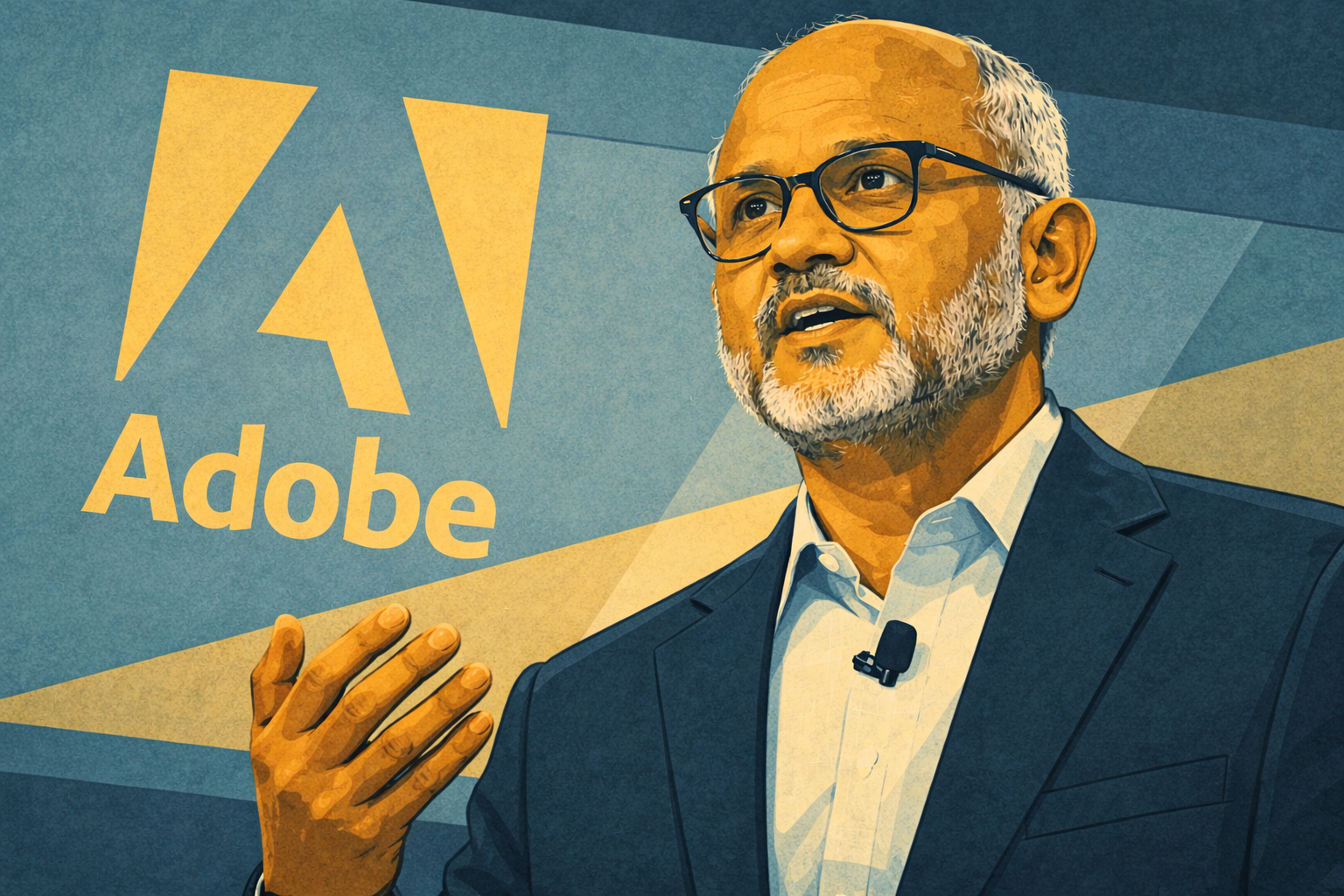
Succession looks different when the business model is shifting underneath. Adobe’s handover arrives with strong results, expanding AI products, and clear investor unease about monetisation, competition, and pace, making the search for a successor less a question of continuity than of how much reinvention a mature software company can absorb.
-

AI can lift valuations while quietly eroding confidence inside organisations. The emerging tension is no longer technological capability alone, but whether companies can promise productivity, faster growth, and leaner structures to markets without convincing employees that the gains will be financed by diminished security, thinner career paths, and weaker reciprocity.