
-
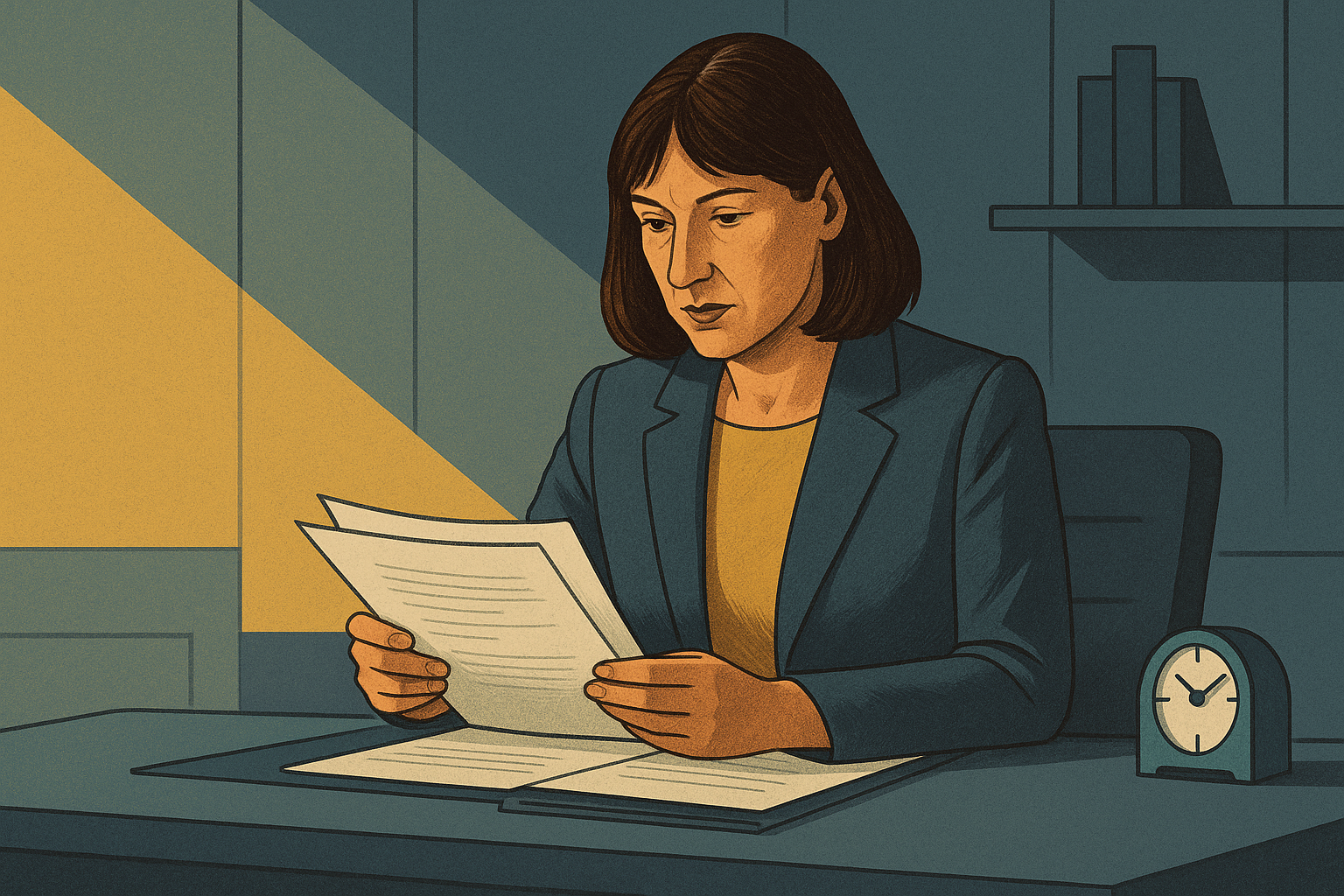
Chancellor Reeves confronts a potential £41 billion shortfall in public finances. Labour faces mounting pressure to raise taxes or cut spending as growth stalls, inflation remains elevated, and fiscal rules bite.
-

Nearly 3,800 directors left the UK after sweeping tax changes. A sharp rise in company director emigration has followed Labour’s abolition of the non-dom regime and new business wealth taxes, with Dubai now the leading destination for British and international business leaders.
-
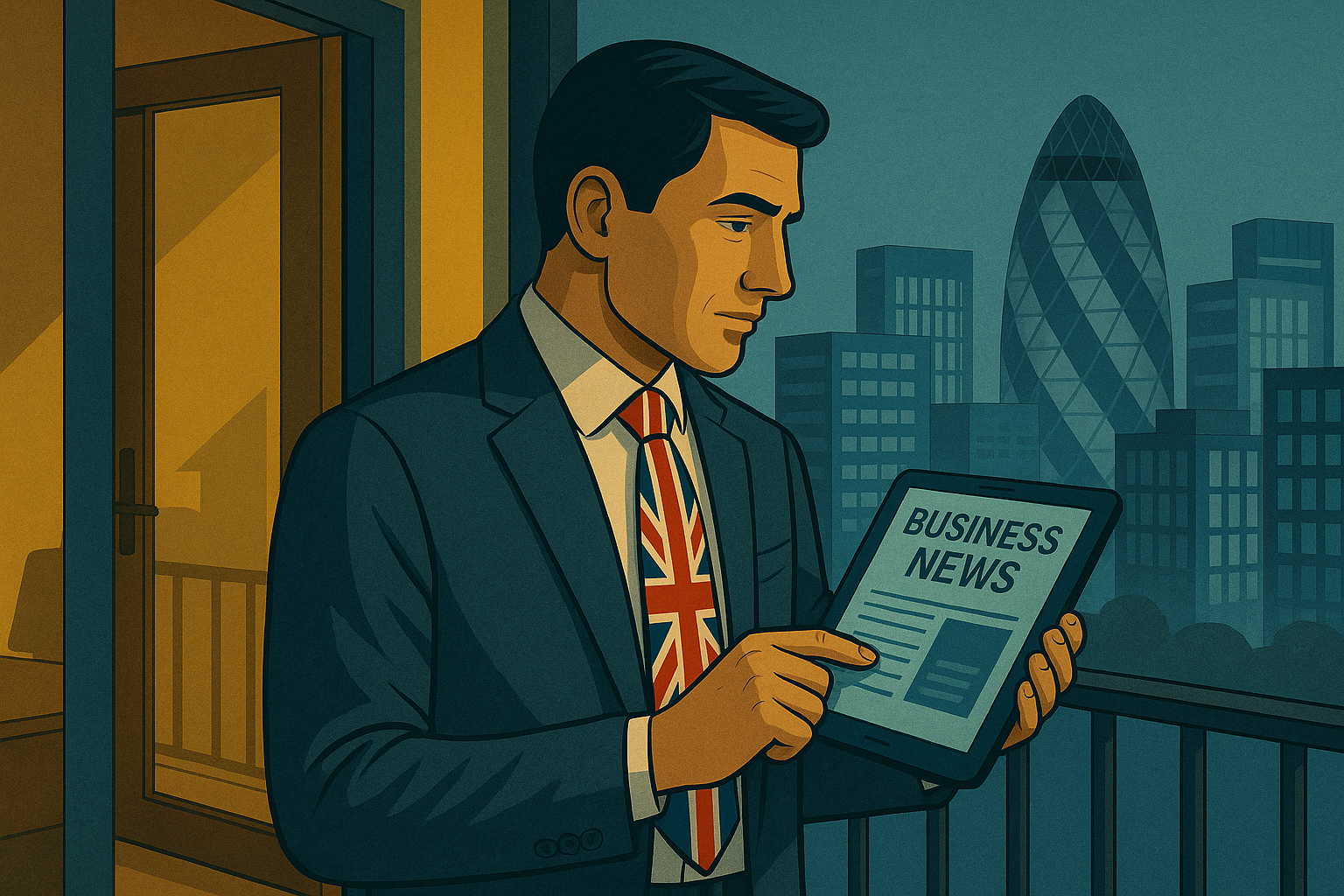
UK services sector orders have fallen at their sharpest pace since 2022. Businesses across hospitality, professional services, and retail report the steepest drop in new business for nearly three years, with rising payroll costs and inflation forcing companies to cut jobs and delay new investment plans despite strong corporate earnings.
-
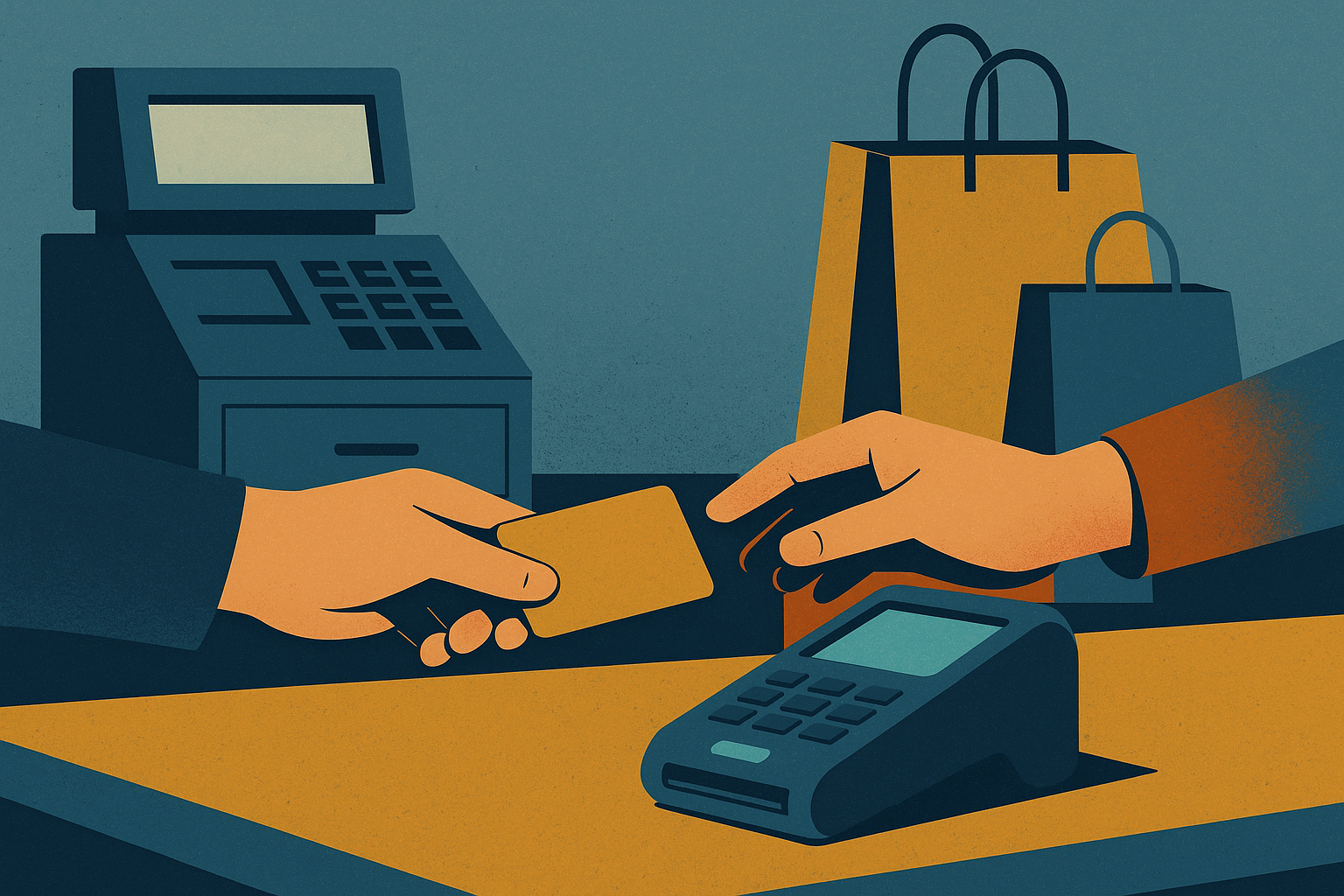
Analysts expect modest recovery in this week’s Eurozone retail data. But behind the numbers lies a deeper transformation in consumer priorities. As trust, transparency, and value redefinition take centre stage, Europe’s B2C leaders are rethinking how to compete — and what it means to stay relevant.
-

Tech giants are converting old European power plants for data centres. Major technology companies are partnering with utilities to transform decommissioned coal and gas-fired sites into high-capacity data centres, accelerating grid connections and powering the next wave of AI infrastructure growth across the region.
-

Spectris has accepted a £4.2 billion takeover by KKR. The agreement follows months of public bidding and multiple revised offers, marking the conclusion of a high-stakes battle between two major private equity groups and signalling renewed global interest in UK mid-cap industrials.
-
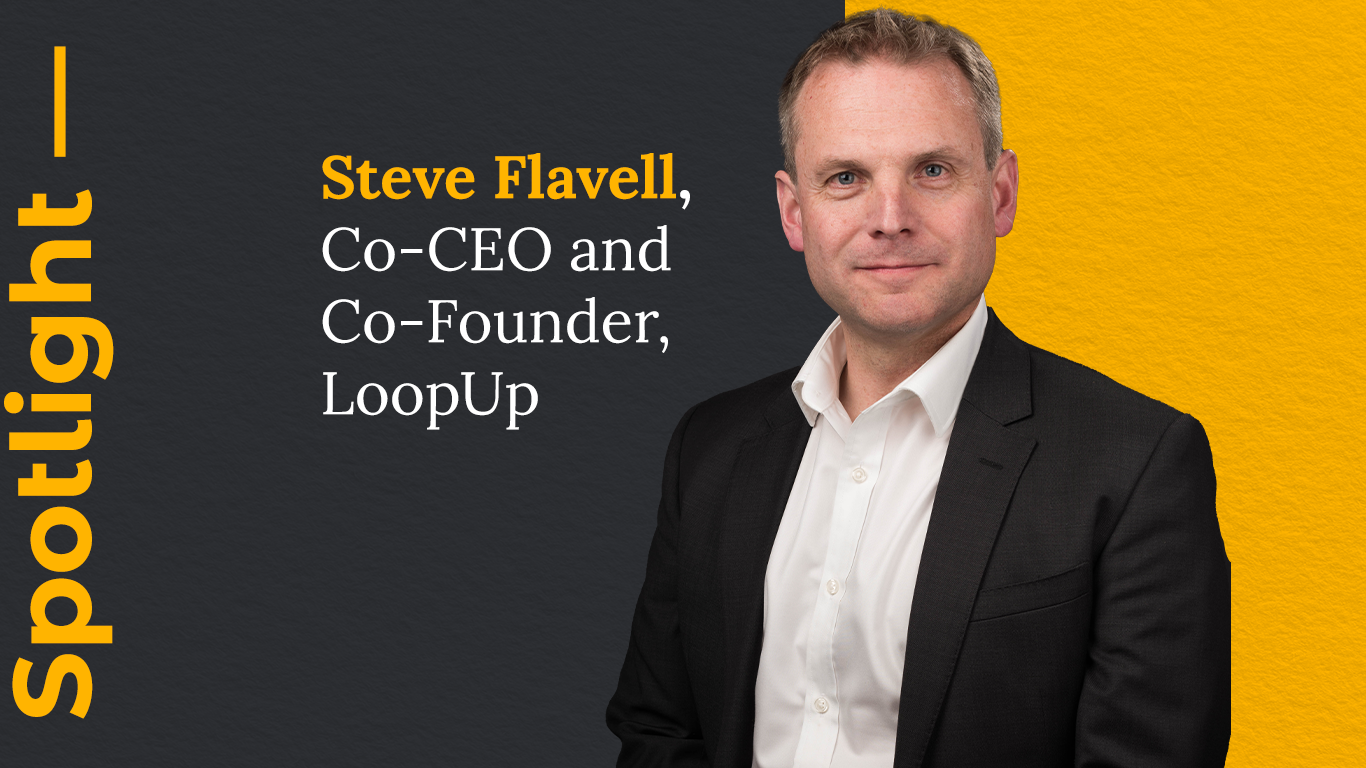
LoopUp’s strategic pivot is a masterclass in modern business resilience. Steve Flavell led the company through disruption, delisting, and reinvention, turning a near-collapse into a new growth story. As cloud communications gets smarter, LoopUp’s challenge now is to match operational excellence with innovation in a rapidly shifting market.
-

UK green energy tariffs decline sharply amid cost of living crisis. Green energy deals have dropped from 85% to 18% of the market due to rising costs, with consumers prioritising affordability over sustainability. Suppliers now focus on balancing green credentials with consumer expectations.
-
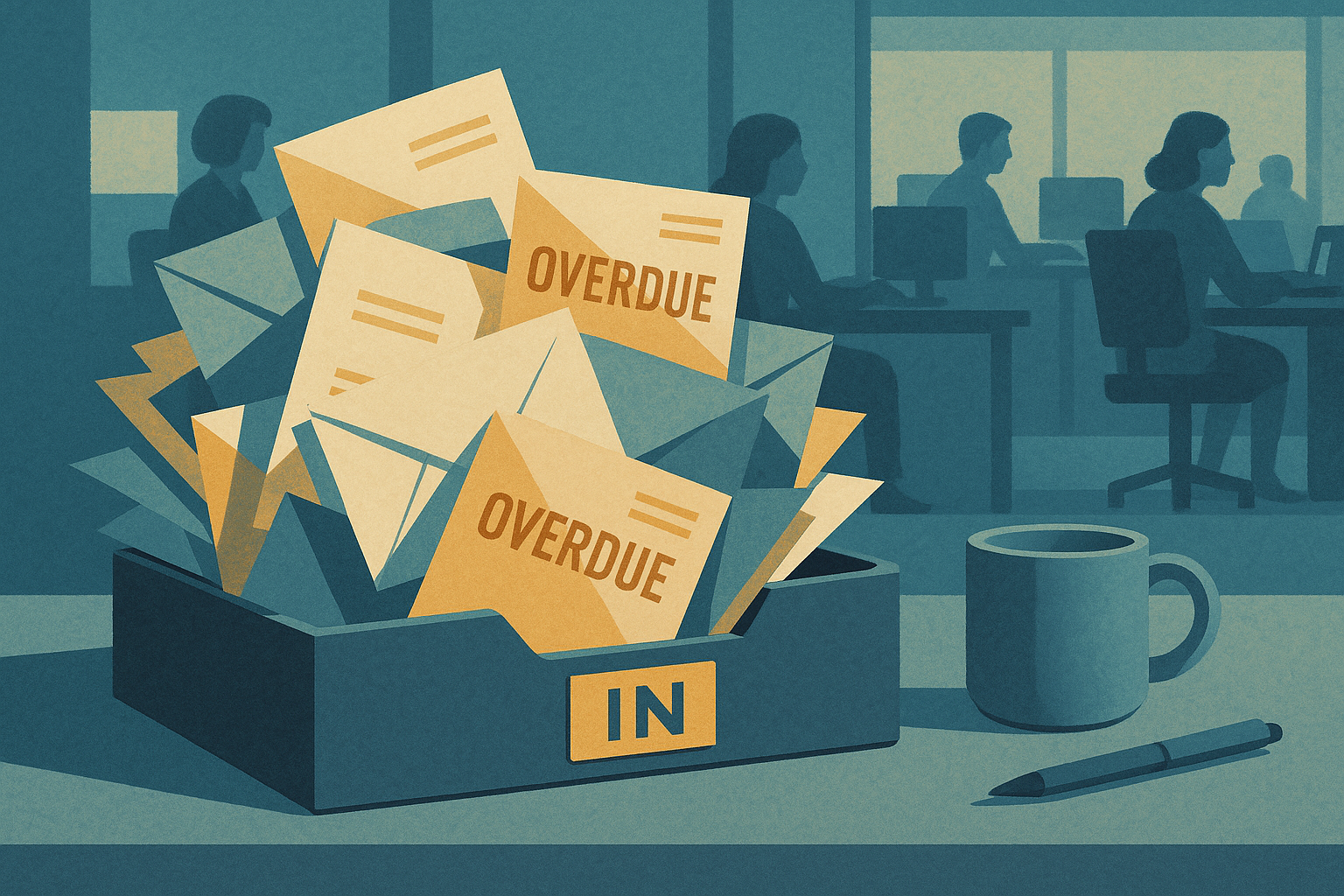
New powers for the Small Business Commissioner aim to tackle late payments. The average UK SME is owed more than £20,000, according to FSB data. Chronic late payment is now a defining risk, amplifying the impact of high costs, inflation, and energy prices for small businesses.
-

Britain’s steelmakers regain EU tariff-free access for Category 17. From 1 August, UK producers can export up to 27,000 tonnes of structural steel to Europe each quarter, restoring trade volumes and offering vital certainty for the sector after years of Brexit-linked restrictions.