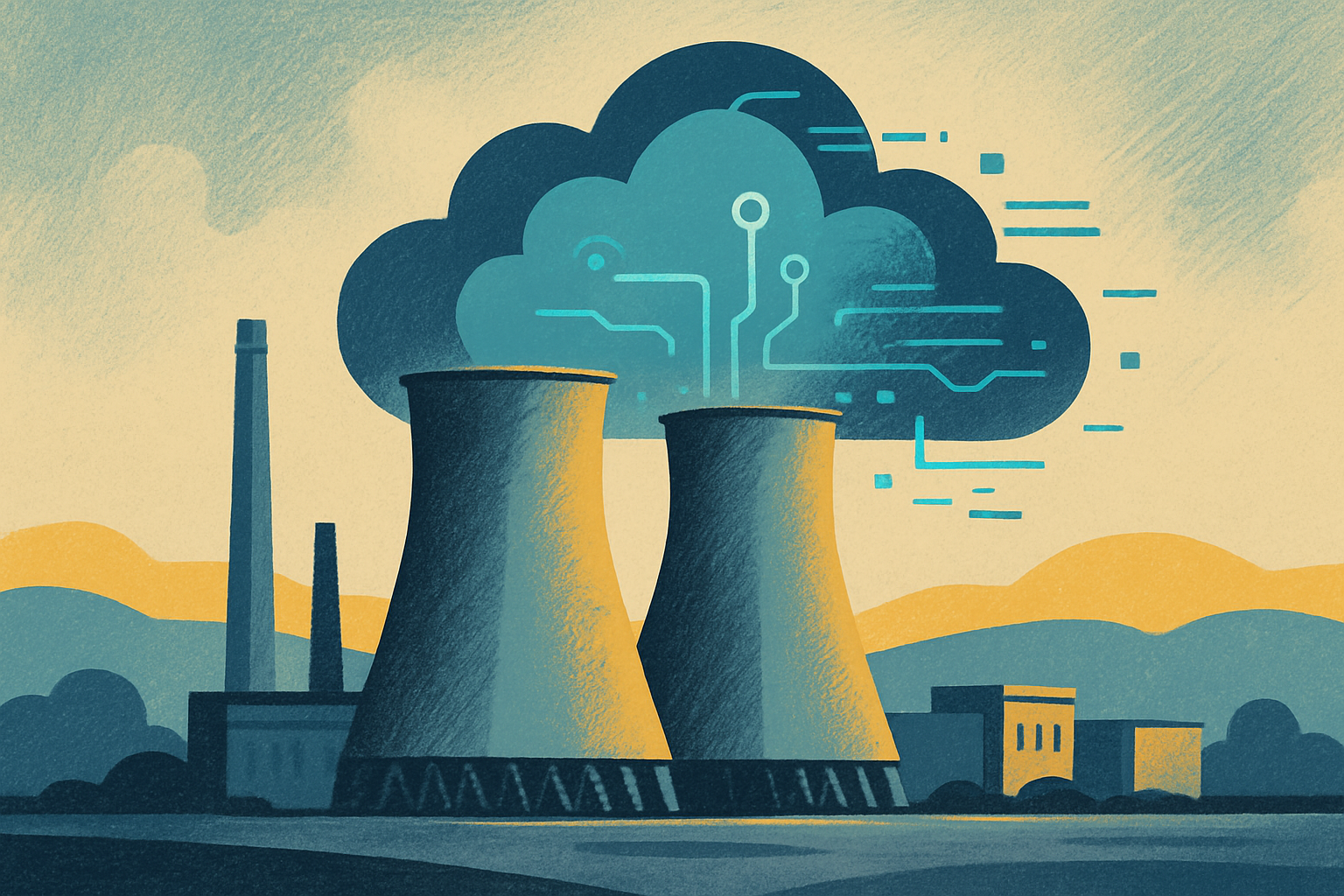
Leading technology companies — including Microsoft and Amazon — are accelerating plans to repurpose Europe’s ageing coal and gas-fired power stations as next-generation data centres, seeking faster access to grid connections and critical resources. Utilities such as RWE, Enel, Engie, and EDF have each identified dozens of former power generation sites as ready-made solutions for hyperscale cloud computing and artificial intelligence.
The trend is fuelled by mounting demand for energy-intensive AI and cloud workloads, which require rapid, reliable electricity supply and access to water for cooling. Conventional data centre sites can face delays of up to ten years before securing grid connections. In contrast, legacy power plants already have the necessary infrastructure in place, allowing tech companies to bypass years of planning and regulatory hurdles.
“Speed to power is absolutely the biggest constraint in the European market right now,” said Bobby Hollis, vice president for energy at Microsoft. “You have all the pieces that come together — water infrastructure, grid access, even heat recovery.”
According to Reuters, tech companies are now willing to pay premiums of up to €20 per megawatt hour above market rates for guaranteed low-carbon electricity, locking in long-term supply contracts with European utilities. In the UK, former coal plants such as Drax’s Yorkshire facility are being actively marketed for conversion, while JLL is brokering data centre developments at major German sites on behalf of RWE.
A recent report by Beyond Fossil Fuels, a European climate NGO, warns that data centres could consume as much as 287 terawatt hours annually by 2030 — roughly 10 per cent of current EU electricity demand. Without expanded renewables, there is a risk that new data centre growth will increase reliance on natural gas and threaten Europe’s climate targets.
For utilities, the model provides a commercial path to monetise stranded fossil fuel assets and secure funding for further investment in renewables. “It’s more about the long-term relationship that enables you to de-risk and underwrite your infrastructure investments,” said Simon Stanton, head of global partnerships at RWE.
Analysts say the rise of direct-connect data centre deals will reshape Europe’s infrastructure market, and could further increase pressure on power grids already under strain from electrification. In Ireland, for example, data centres now account for more than 20 per cent of electricity use, prompting new permitting restrictions through 2028.
With more than 40 European sites identified for potential conversion, the scale of the transition is expected to accelerate as AI demand rises. Industry observers expect the trend to fuel further debate around energy policy, data centre siting, and the region’s net-zero ambitions.