
-

A new Government report finds businesses are failing disabled customers. The report highlights persistent barriers in retail, hospitality, and banking, with most disabled consumers lacking confidence in future access. Leading advocates say this is a commercial and moral missed opportunity for UK businesses.
-

UK businesses face weakest hiring sentiment in 13 years. Rising taxes, policy uncertainty, and cost pressures are dampening employer confidence, with the latest BDO survey indicating a cautious approach to recruitment despite modest growth in consumer services.
-
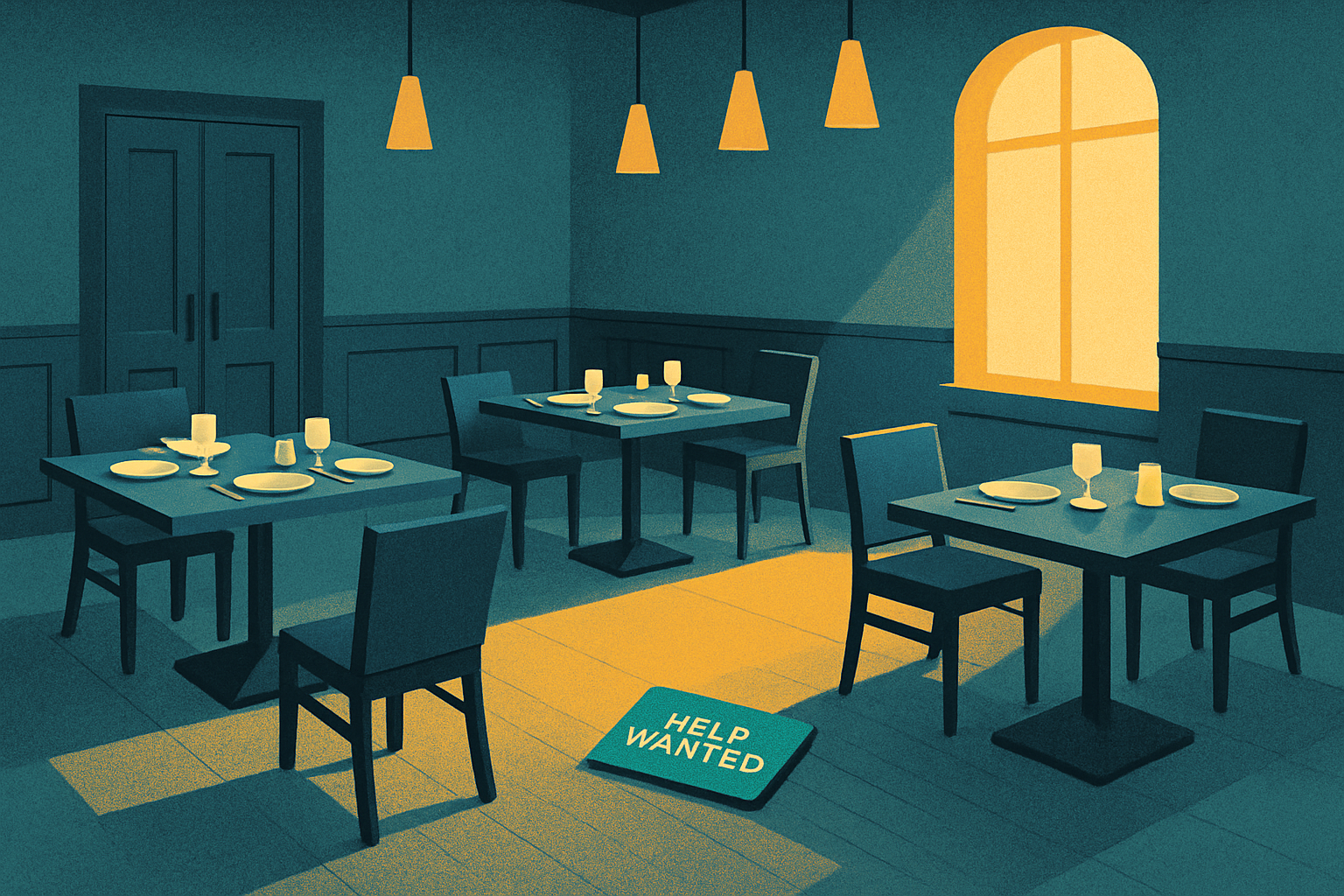
UK hospitality sector loses 69,000 jobs due to tax hikes. The Office for National Statistics reports the sharpest peacetime job cuts outside the pandemic, prompting concerns over government tax policies threatening the industry. A letter to the prime minister highlights these challenges.
-
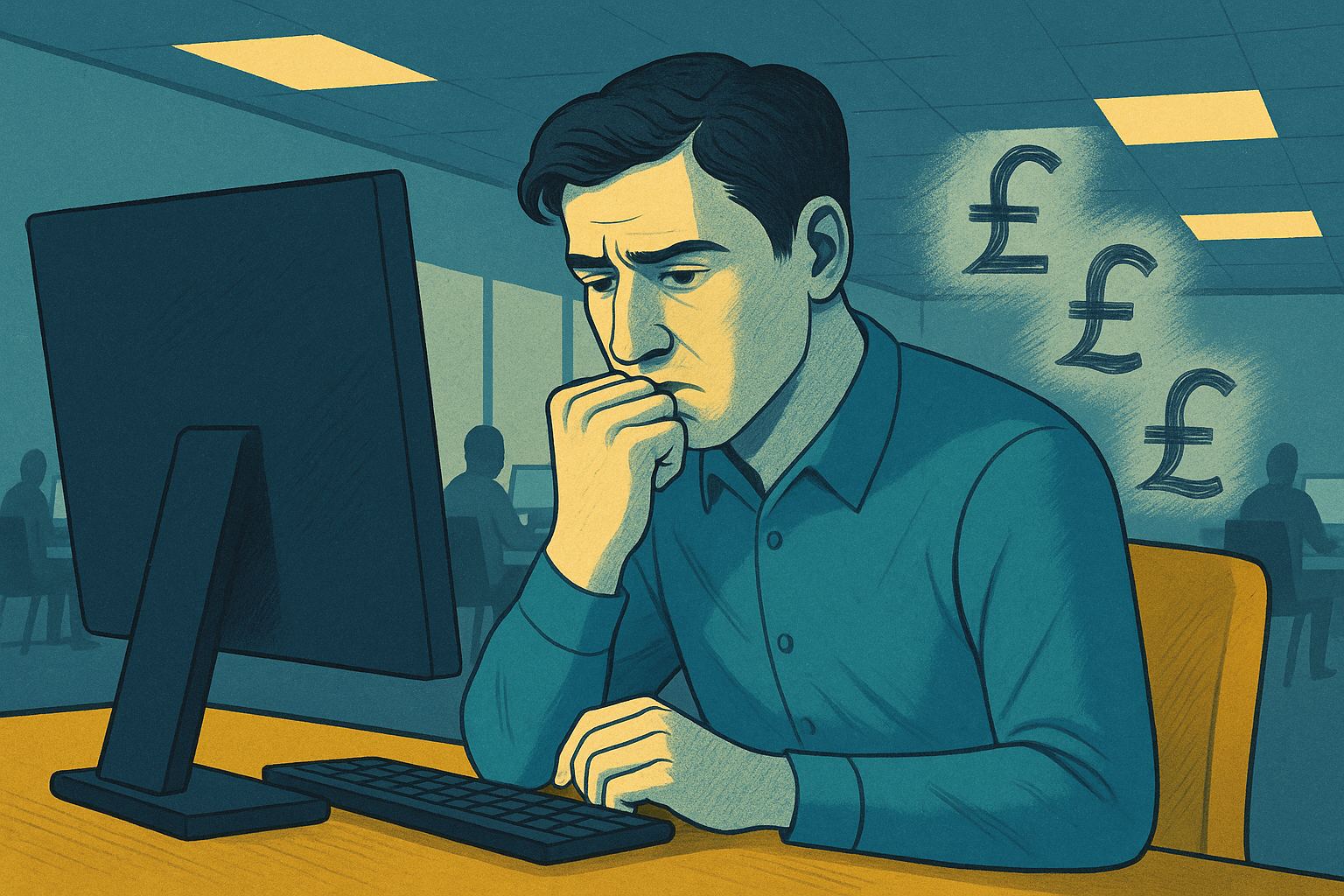
Gen Z workers say financial worries harm job focus. Nearly half report distraction due to money stress, and most want practical employer help like discounts and education. With hundreds of thousands joining the workforce this summer, urgent questions arise for UK employers.
-

Mental health support is now a critical issue for employers. Onebright’s Alison Bromley examines the economic and strategic imperatives behind effective workplace mental health provision — making the business case for investing in employee wellbeing and showing why organisations cannot afford to treat mental health as optional.
-

Nine-month window to overhaul sick pay sparks concern as employers brace for biggest workplace reform drive in decades.
-

Job vacancies in the UK have hit a new low. As employers pause hiring and leave roles unfilled, ONS data points to a cooling market. Leaders warn that delaying recruitment too long could erode productivity and capability, with hidden costs for competitiveness.
-
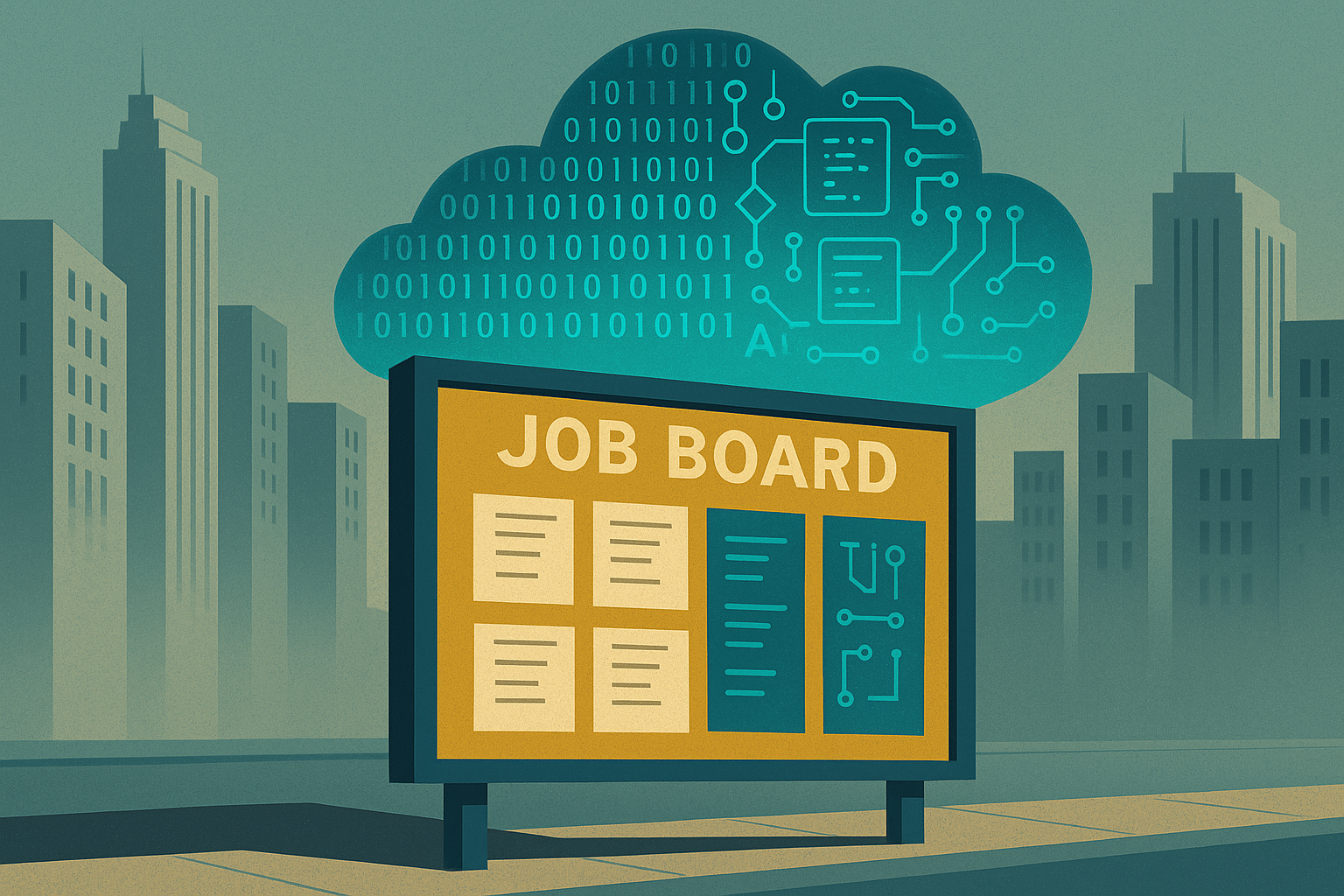
UK entry-level roles have dropped by a third since 2022. Automation is accelerating across sectors, with graduate and junior roles squeezed hardest. New figures show retail listings are down 78%, while AI hiring trends are reshaping the wider UK job market.
-
UK job adverts rise slightly in May. The Recruitment and Employment Confederation reported a 0.3% increase in new job adverts, while active postings fell by 1.8%, indicating a sluggish market amid economic challenges and rising employer costs.
-

Louise Sheeran explains why future-ready businesses prioritise imagination, not just data.