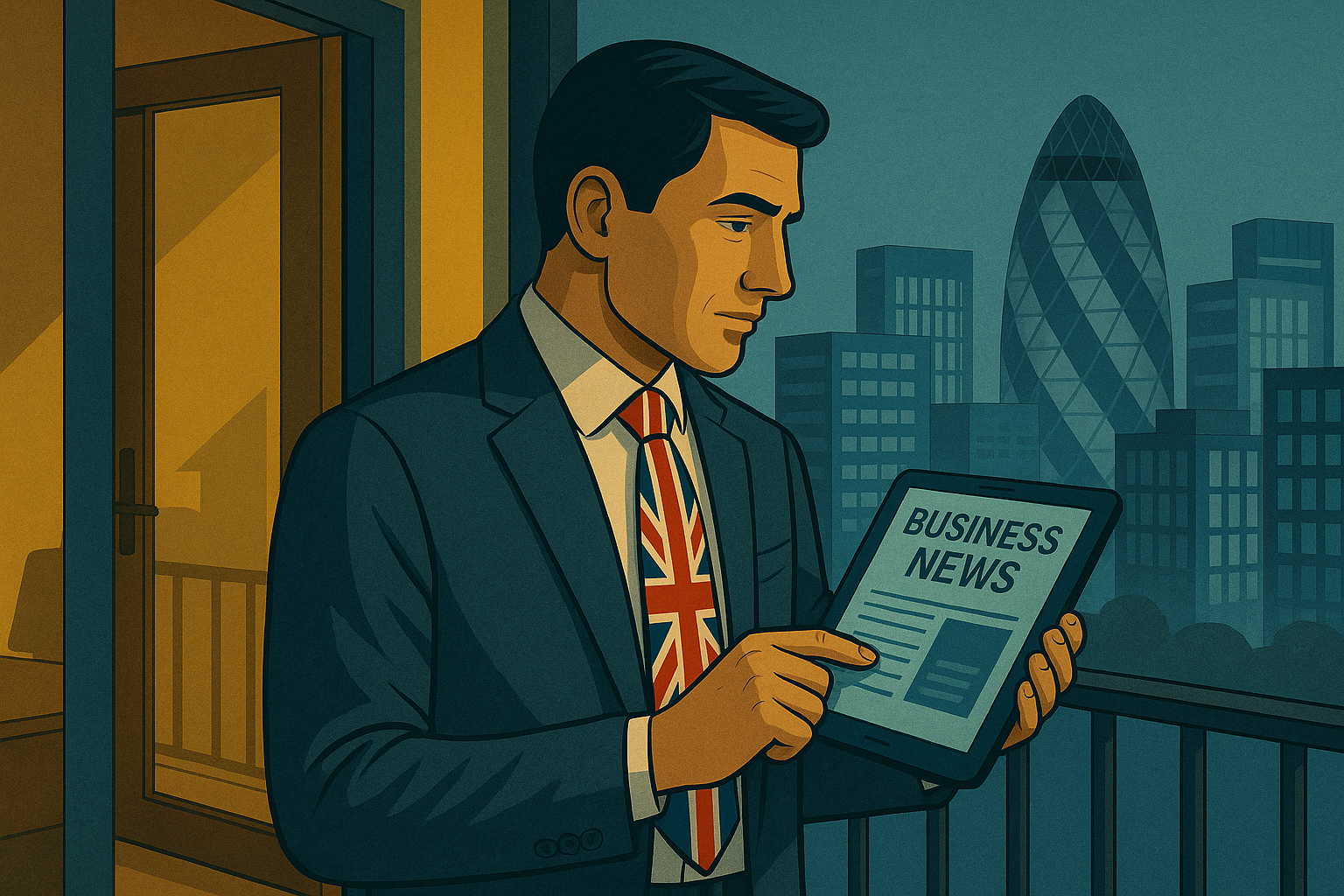
UK business leaders have appealed to the government to refrain from increasing employment costs in the forthcoming Autumn Budget, cautioning that heightened taxes could compel small businesses to raise prices, exacerbating inflation. A recent survey conducted by Employment Hero indicates that 86% of 1,000 business leaders are concerned about the Budget’s implications for their companies. Furthermore, 59% believe the government neglects the needs of small businesses when formulating fiscal policy.
This apprehension arises after employer National Insurance contributions (NICs) increased from 13.8% to 15.05% in April, a change that many small and medium-sized enterprises (SMEs) claim has already strained their finances. Should Chancellor Rachel Reeves decide to raise employment-related taxes again, business groups warn it could undermine the government’s objectives to stimulate economic growth and manage inflation.
According to Employment Hero’s findings, nearly half of SMEs (49%) would increase prices if employment costs rise, while 33% would delay hiring, and 24% would consider redundancies. The report also highlighted that many small firms are still recovering from the effects of Reeves’s first Budget last year, which 72% of leaders said had a negative impact on their business.
Despite these concerns, Employment Hero’s data revealed signs of resilience in the UK labour market, with employment rising by 2.3% month-on-month in October and up 1.9% year-on-year. Kevin Fitzgerald, UK managing director at Employment Hero, emphasised the need for the government to learn from past mistakes, stating, “When you tax small businesses, you tax everyone. Higher costs lead to higher prices, fewer jobs, and less money in people’s pockets.”
Fitzgerald argued that SMEs, which employ the majority of the UK workforce, are crucial to revitalising growth and addressing inflation. He remarked, “The Autumn Budget is an opportunity to show small firms that the government understands their role in the economy. If ministers want to keep Britain working, they need to back small businesses — not burden them.”
Business leaders across the UK are urging the Treasury to avoid further tax hikes on employment and investment as Reeves prepares to deliver her Budget later this month. Many fear that additional tax increases could fuel inflation, hinder job creation, and undermine confidence among smaller firms, which are already grappling with rising wage costs, energy prices, and borrowing rates.
With the Budget expected to focus significantly on fiscal tightening to address a multi-billion-pound deficit, industry figures warn that penalising small firms could be counterproductive, stifling growth just as the government seeks to revitalise it.