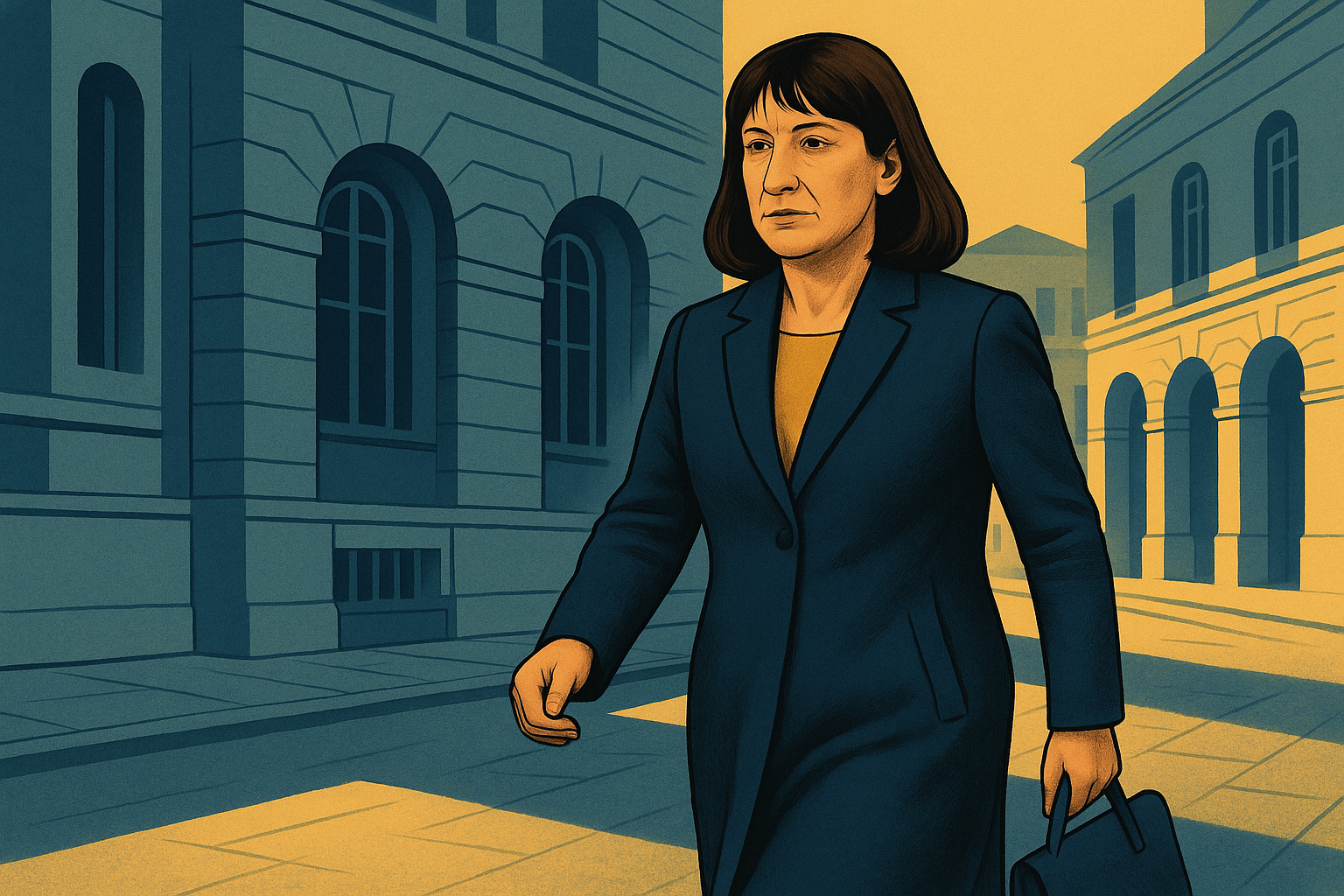
Chancellor Rachel Reeves’s choice to step in front of cameras on Tuesday was never going to offer up a routine update. Her address was a deliberate reset of expectations. Gone was the campaign vocabulary of renewal and investment, leaving in its place the language of responsibility, discipline and fairness: a new economic tone designed to steady markets and prepare the public for a difficult winter.
Twenty-four hours later, the mood across Britain’s economic community remains one of wary acceptance. There is broad recognition that Reeves is facing a constrained fiscal landscape, with weak productivity, higher borrowing costs and limited room to manoeuvre. Yet her effort to frame restraint as fairness has drawn a mixed response. To some, it is a necessary recalibration of ambition; to others, it feels like a soft revival of austerity under a more careful name.
In Westminster, the reaction has been largely pragmatic. Few dispute that the numbers demand realism, and even critics concede that Reeves has restored a sense of fiscal order. But the political cost of honesty is already apparent. By declining to reaffirm Labour’s election-year pledge not to raise income tax, VAT or National Insurance, the Chancellor has invited scrutiny over whether stability and trust can coexist.
Among businesses, the tone is cautious rather than combative. Jamie Roberts, Managing Partner at YFM Equity Partners, said the Chancellor’s stance “felt like tax rises are being framed as unavoidable,” warning that sustained growth rarely follows from higher taxation. In his full remarks, published on BQ Executive, Roberts expands on the long-term risks of eroding the UK’s entrepreneurial edge — a concern echoed by many mid-market investors this week.
For the broader business community, the uncertainty lies not in Reeves’s intent but in the absence of detail. If fairness is the principle, who will bear the burden? Corporate taxation? Capital gains? A rebalancing of reliefs? The lack of specificity has left boardrooms and investors waiting for clearer signals before making longer-term decisions.
Public sentiment, meanwhile, reflects fatigue as much as fear. After years of fluctuating confidence and economic strain, the promise of a “tough but fair” path lands somewhere between reassurance and resignation. Polling in the coming weeks will show whether the Chancellor’s candour strengthens credibility or deepens the perception of inevitability around higher taxes and slower growth.
Reeves’s decision to speak early — three weeks before the formal Budget — suggests a government keen to manage the narrative rather than react to it. That strategy may buy short-term stability, but it also heightens the pressure to deliver coherence when the full Budget is presented on 26 November.
For now, Britain’s economic story has entered a quieter, more self-aware chapter. The Chancellor’s realism may have calmed markets, but it has also narrowed the emotional bandwidth of political optimism. The question is not whether restraint is necessary — most accept that it is — but whether a government built on promises of renewal can persuade the country that discipline itself can be a form of progress.
Read the full BQ Executive analysis here.