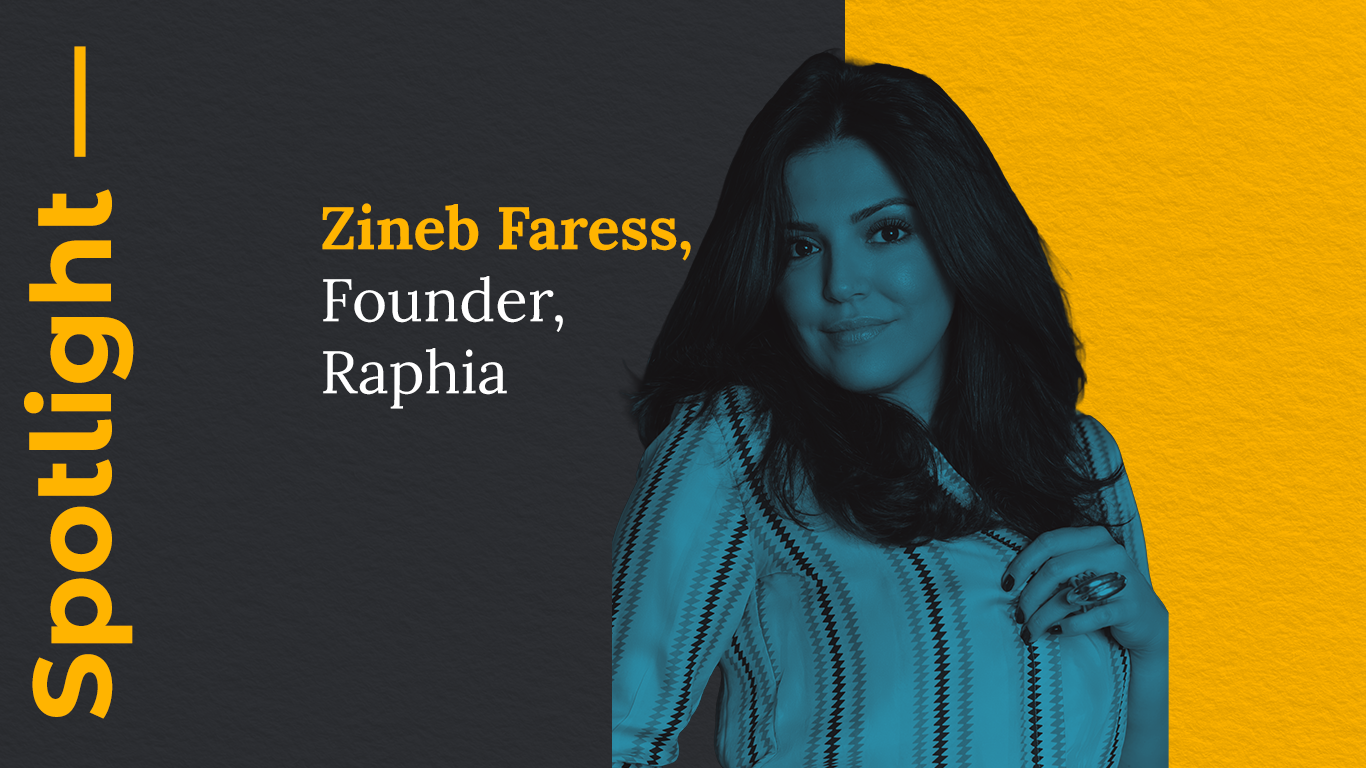
In a global culinary landscape shaped by speed, trend cycles and commercial reinvention, Zineb Faress is building a brand defined by its opposite: depth, heritage and craftsmanship. Her company, Raphia, is not simply a celebration of Moroccan flavours, it is an exercise in cultural elevation. It positions Moroccan gastronomy not as a nostalgic reference but as a refined, contemporary art form worthy of international recognition.
The origins of Raphia are rooted in memory rather than strategy. Zineb’s earliest experiences were shaped by the rhythm and intuition of Moroccan kitchens, where food was prepared with quiet reverence. “The women in my family measured ingredients with their hands, not scales, and they believed flavour carried emotion,” she reflects. Years later, during a trip to Marrakech, she watched an artisan in a small atelier shaping almond paste with movements that resembled choreography. That moment made something clear: without active preservation, cultural craftsmanship fades. Raphia became her response, a modern platform dedicated to honouring the traditions that formed her.
From its inception, Raphia has carried a clearly defined mission: to elevate Moroccan gastronomy with sincerity and elegance. Zineb sees the brand as a vehicle for authenticity, craftsmanship and cultural elevation. These values guide every decision, from product creation to design direction to partnerships. She is unambiguous about the standards the brand upholds. If something does not serve Moroccan culture with integrity, it does not enter the Raphia universe. This sense of purpose ensures that the brand’s growth remains firmly anchored in the principles that shaped it.
What ultimately sets Raphia apart is its approach to cultural memory. Rather than presenting Moroccan flavours through the lens of nostalgia, Raphia treats gastronomy as a living creative field, one that evolves while staying rooted in its origins. The brand’s distinctiveness is expressed through a signature creative direction that blends heritage with contemporary aesthetics, a deep respect for artisanal precision, and an immersive brand experience in which storytelling and craftsmanship are inseparable. Zineb wants people to feel something familiar even if the product is new to them: a warmth, a refinement, and a cultural truth presented with modern clarity.
Raphia’s ethical commitments extend beyond the conventional definitions of sustainability. For Zineb, sustainability is cultural as much as operational. The brand is built around protecting the traditions, rituals and artisanal techniques that define Moroccan gastronomy. Preserving craftsmanship, safeguarding cultural knowledge and working with intention rather than convenience form the backbone of Raphia’s approach. In a global market where cultural dilution is common, this integrity has become one of Raphia’s strongest differentiators.
As the brand moves onto the global stage, scaling presents both opportunities and challenges. Growing a business rooted in artisanal craft requires a delicate balance between expansion and preservation. Zineb is conscious of maintaining the emotional precision and technical accuracy of traditional methods while reaching audiences who may be discovering Moroccan gastronomy for the first time. Strategic growth plans include thoughtful collaborations with luxury hotels, curated collections inspired by Moroccan celebrations and immersive pop-ups designed to introduce international consumers to Raphia’s world of taste, design and cultural storytelling. The expansion is intentional, carefully paced and anchored by the same values that defined the brand from day one.
Zineb views her role as both guardian and bridge — a protector of cultural heritage and a facilitator bringing it to the world in a modern, elevated form. Moroccan gastronomy is rich, refined and profoundly expressive. She believes it deserves to be represented with accuracy and pride on the global culinary stage. Her ambition for Raphia’s legacy is twofold: to become a global ambassador for Moroccan craftsmanship and to create lasting visibility for the artisans and traditions that inspire the brand.
“If the world begins to view Moroccan gastronomy as an art form, sophisticated, contemporary and emotionally resonant, then Raphia will have achieved something meaningful,” she says. “Something that extends far beyond business.”