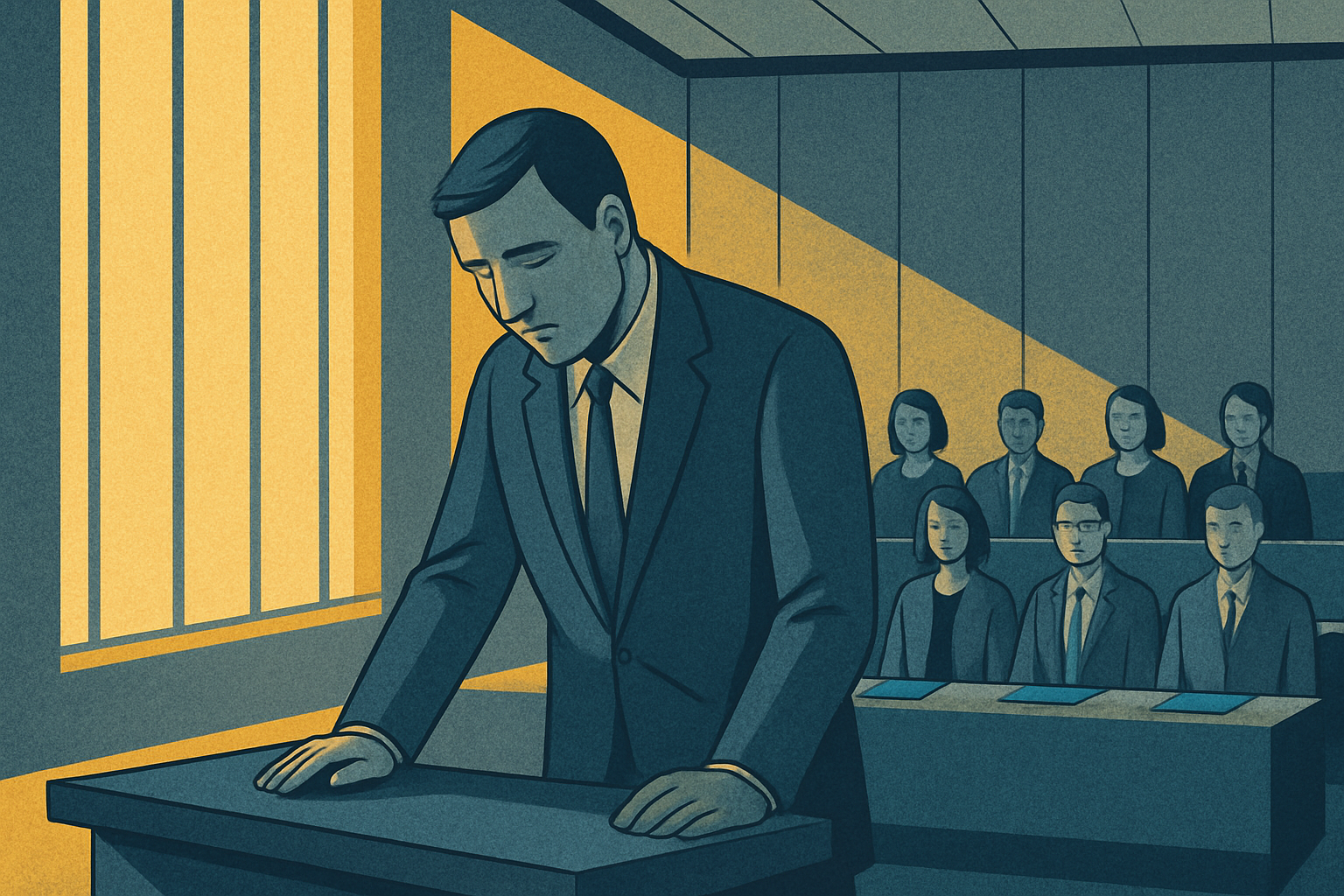
Stress is increasingly becoming a leadership issue. National Stress Awareness Day — marked annually on the first Wednesday of November — returns today under the theme “Optimising Employee Wellbeing through Strategic Stress Management.”
The observance, led by the International Stress Management Association (UK), encourages organisations to address stress proactively through prevention, open communication, and strategic leadership. The theme reflects how mental health has shifted from a personal concern to a core business and governance issue.
Recent figures highlight the scale of the challenge. Work-related stress, depression, or anxiety accounted for 776,000 UK cases in 2023/24, representing 46% of all work-related ill health and 55% of working days lost, according to Mates in Mind. Globally, the World Health Organization (WHO) estimates 12 billion working days are lost each year to depression and anxiety — equivalent to roughly US$1 trillion in lost productivity.
Executives themselves are among those most exposed. A CIPHR survey found that 98% of senior managers in the UK reported at least one aspect of their work as stressful, while 83% cited three or more work-related stressors. Separate research this year showed that 67% of executives reported higher stress levels than in 2024, with only 10% seeing any decline. Korn Ferry’s latest global leadership outlook found that nearly six in ten senior executives expect to move roles within three years, citing burnout and work-life imbalance as key drivers.
David Ewing, Managing Partner at ECI Partners, said that “having high-level responsibility and working in a fast-paced environment is part of what makes many C-Suite jobs exciting. But for many people working in private equity or PE-backed companies, it is easy to put your mental health on the backburner while focusing on day-to-day issues.”
Ewing believes leadership culture plays a decisive role in managing stress effectively. He says that creating an open communication culture is vital, adding that acknowledging stress “helps lighten the emotional burden, promotes healthier coping mechanisms, and encourages others to share their own stress.” Leaders, he adds, should learn to recognise the early signs of burnout — physical symptoms such as poor sleep, emotional changes such as irritability, and behavioural symptoms such as withdrawal — before stress becomes chronic.
He also recommends reclaiming a sense of control by sharing decisions and seeking perspective when feeling stuck. “Burnout happens when you feel out of control with no choices available to change things,” he said. “There are always choices, and sharing decisions when you feel stuck can help you regain perspective.”
Ewing advises senior leaders to take deliberate time away from technology, set realistic priorities, and avoid what he calls “superhero syndrome” — the tendency to handle everything alone. Delegating decisions, he said, builds confidence in teams and reduces personal overload. Finally, he stresses the importance of celebrating achievements: “High expectations in fast-paced roles can make milestones feel routine. Taking time to celebrate work goals, projects completed, and deals closed improves job satisfaction and reinforces that hard work is valued.”
As today’s awareness day reminds the corporate world, stress is a performance and governance risk as much as a personal one. Addressing it strategically can help protect both leaders and the enterprises they guide.
BQ Executive readers can find this week’s Power Read on managing and owning stress here.