The United States and China have finalised an agreement on the sale of TikTok’s US operations, confirmed by Treasury Secretary Scott Bessent on Sunday. This marks a significant development in the ongoing dispute over the video-sharing platform’s ownership and data security.
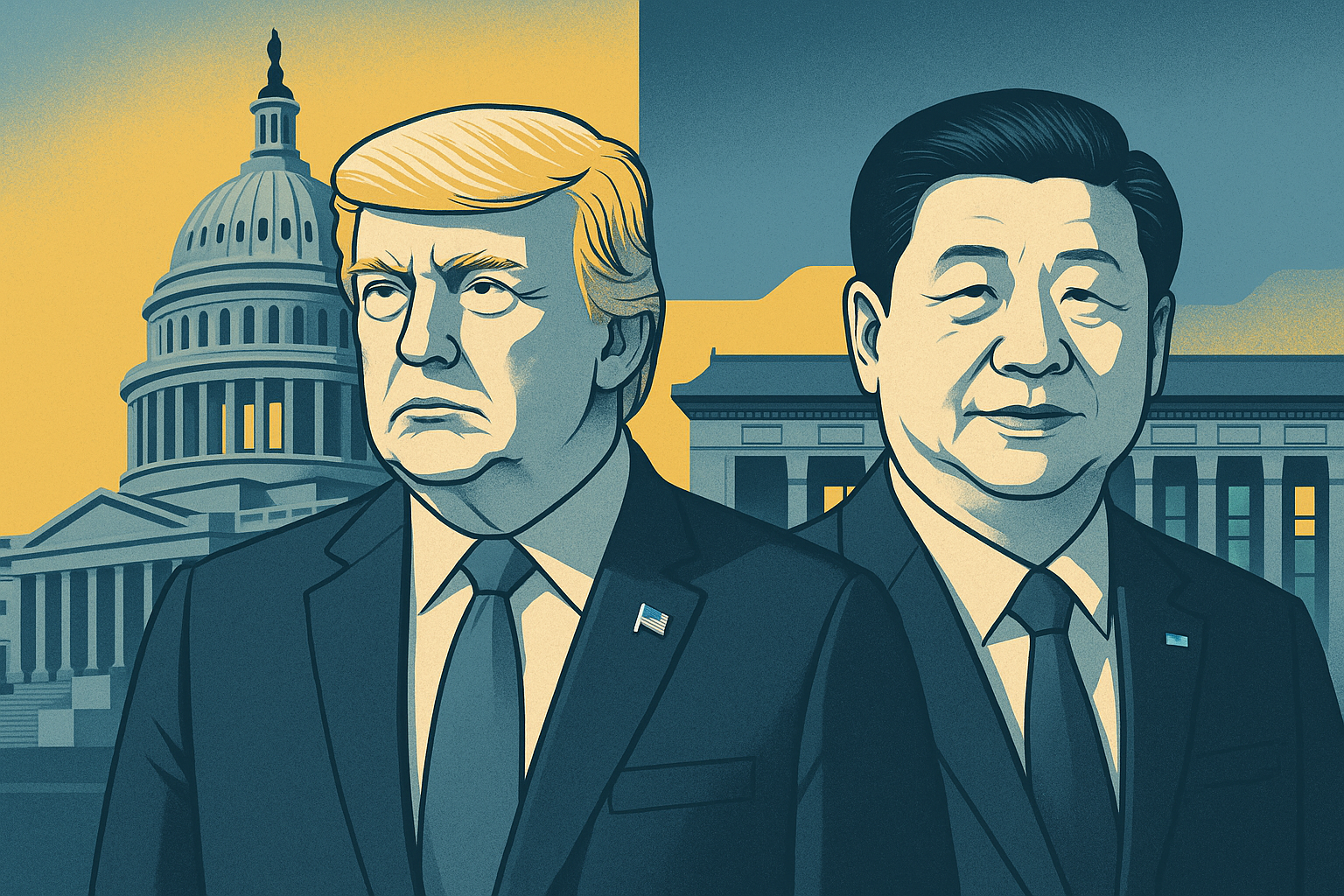
Bessent announced the deal on CBS’s Face the Nation, stating that the transaction would be formally endorsed by President Donald Trump and China’s President Xi Jinping during a bilateral meeting in Korea later this week. “We reached a final deal on TikTok,” Bessent said. “We reached it in Madrid, and I believe all the details are ironed out. It will be for the two leaders to consummate that transaction.”
While Bessent did not disclose specifics of the agreement, he confirmed that the TikTok deal is part of a broader trade framework currently under negotiation between Washington and Beijing. This framework is expected to address areas such as agriculture, technology access, and fentanyl control.
The announcement follows Trump’s executive order on 25 September, which paved the way for new American-led ownership of TikTok, including a majority stake held by US investors. “My remit was to get the Chinese to approve the transaction,” Bessent said. “I believe we successfully accomplished that over the past two days.”
Sources familiar with the discussions indicate that the deal, valued at approximately $14 billion, will provide US and international investors with a 65% stake in TikTok’s US business, leaving ByteDance and Chinese shareholders with less than 20%. The agreement also grants control of TikTok’s algorithm and six out of seven board seats to the new American owners.
The transaction has already attracted political scrutiny in Washington. Reports suggest that Rupert Murdoch and Oracle founder Larry Ellison are among the investors supporting the acquisition. Barron Trump, the president’s 19-year-old son, has been mentioned by former Trump media aides as a potential board member.
TikTok, owned by Beijing-based ByteDance, has been at the centre of geopolitical tensions since Trump’s first term, when he attempted to ban the app over national-security concerns. His successor, Joe Biden, signed a bipartisan TikTok ban into law in April 2024, but enforcement was delayed to facilitate an ownership transfer.
The timing of the agreement is notable. Trump arrived in Malaysia on Sunday ahead of the ASEAN summit, part of a five-day tour of Asia that will culminate in Thursday’s face-to-face meeting with Xi. The two leaders are anticipated to discuss soybean and agricultural purchases, the US trade deficit, and the American fentanyl crisis, which the White House has cited as justification for maintaining 20% tariffs on Chinese imports.
Analysts suggest that the TikTok deal is likely intended to demonstrate progress in US-China negotiations ahead of more complex trade discussions later this year.