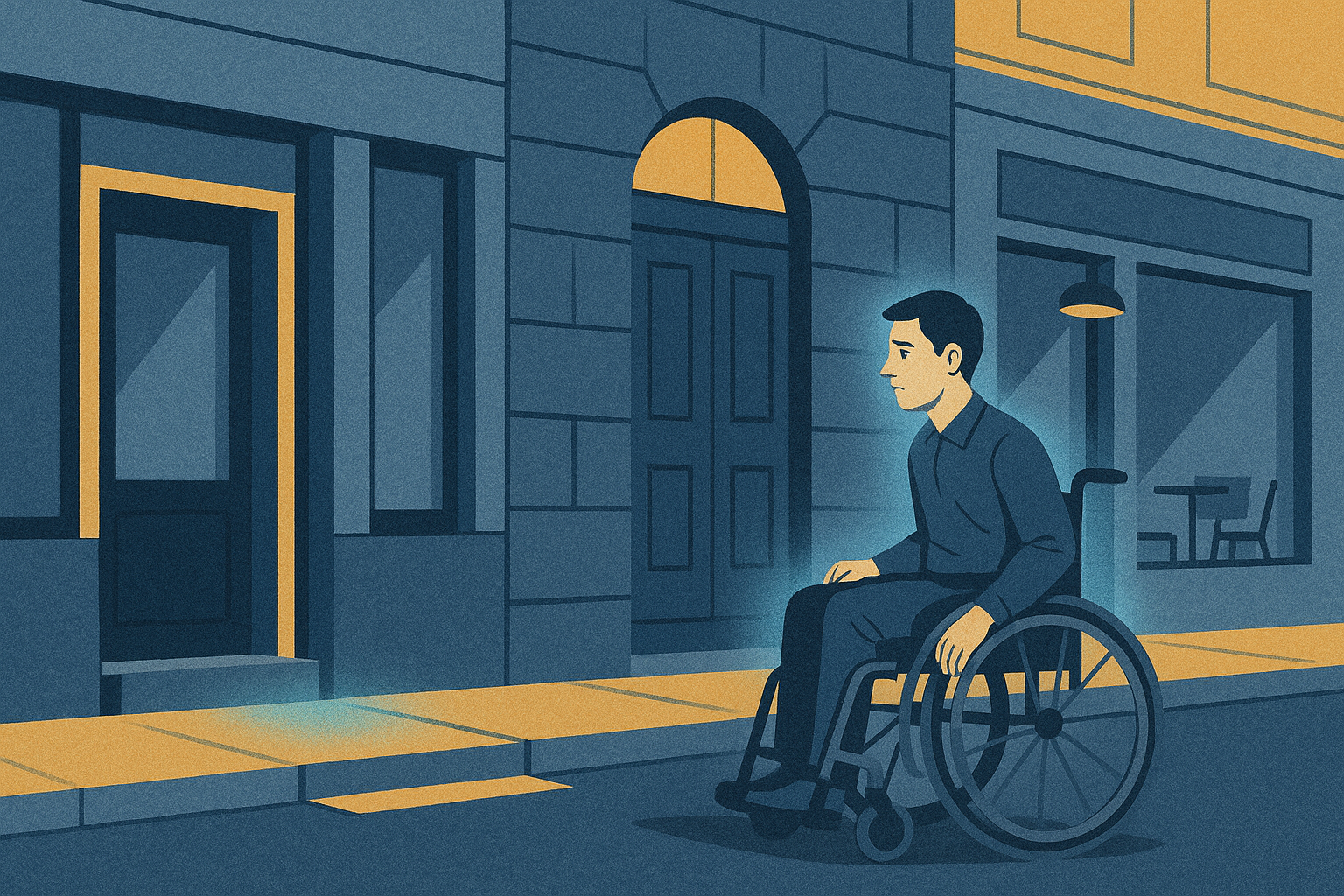
New research by the Business Disability Forum (BDF) has found that disabled consumers continue to face significant barriers when accessing goods and services, despite growing attention on inclusion in business.
Based on an Opinium survey of 1,073 disabled adults in the UK, the study found that three in ten respondents (30%) believe it is harder for them to find and buy products or services that meet their needs compared to someone without a disability. A further one in five (22%) say they find it harder to access good customer service.
Diane Lightfoot, CEO of BDF, said the findings underline the tangible benefits of inclusion for both consumers and companies. “These findings show the difference product and service providers can make to disabled consumers when they are inclusive,” she said. “With one in four people in the UK having a disability, it is in all business interests to make disabled customers feel welcomed by offering the adjustments they need. Those that don’t risk missing out on a massive economic opportunity.”
Lightfoot added that inclusion is as much about reputation as it is about compliance. “Accessibility isn’t just about compliance — it’s a reputational advantage,” she said. “Inclusive brands are seen as ethical and socially responsible, which strengthens customer loyalty. A product may be brilliantly accessible — but if you don’t tell your customers that, or they can’t find the information they need, they won’t buy it.”
Improving disabled customer experience —
When asked what would most improve their consumer experience, nearly two in five (37%) disabled respondents cited better understanding of disability among staff. Almost three in ten (29%) said easier access to assistance would make a difference, while around one in five (21%) wanted companies to offer more accessible customer service channels. A similar number (19%) said products and services should be designed with disabled customers in mind from the outset.
The BDF’s annual Disability Smart Impact Awards continue to highlight practical examples of accessibility in action. This year’s winners included Alexandra Park and Palace, recognised for transforming a Grade II-listed building into a hub of accessibility, and Unilever, which introduced accessible packaging using scanning technology and QR codes that read aloud on-pack information.
Entries for the 2026 Disability Smart Impact Awards are now open, with BDF encouraging organisations to share how they are rethinking design, communication, and service delivery to better serve disabled consumers.