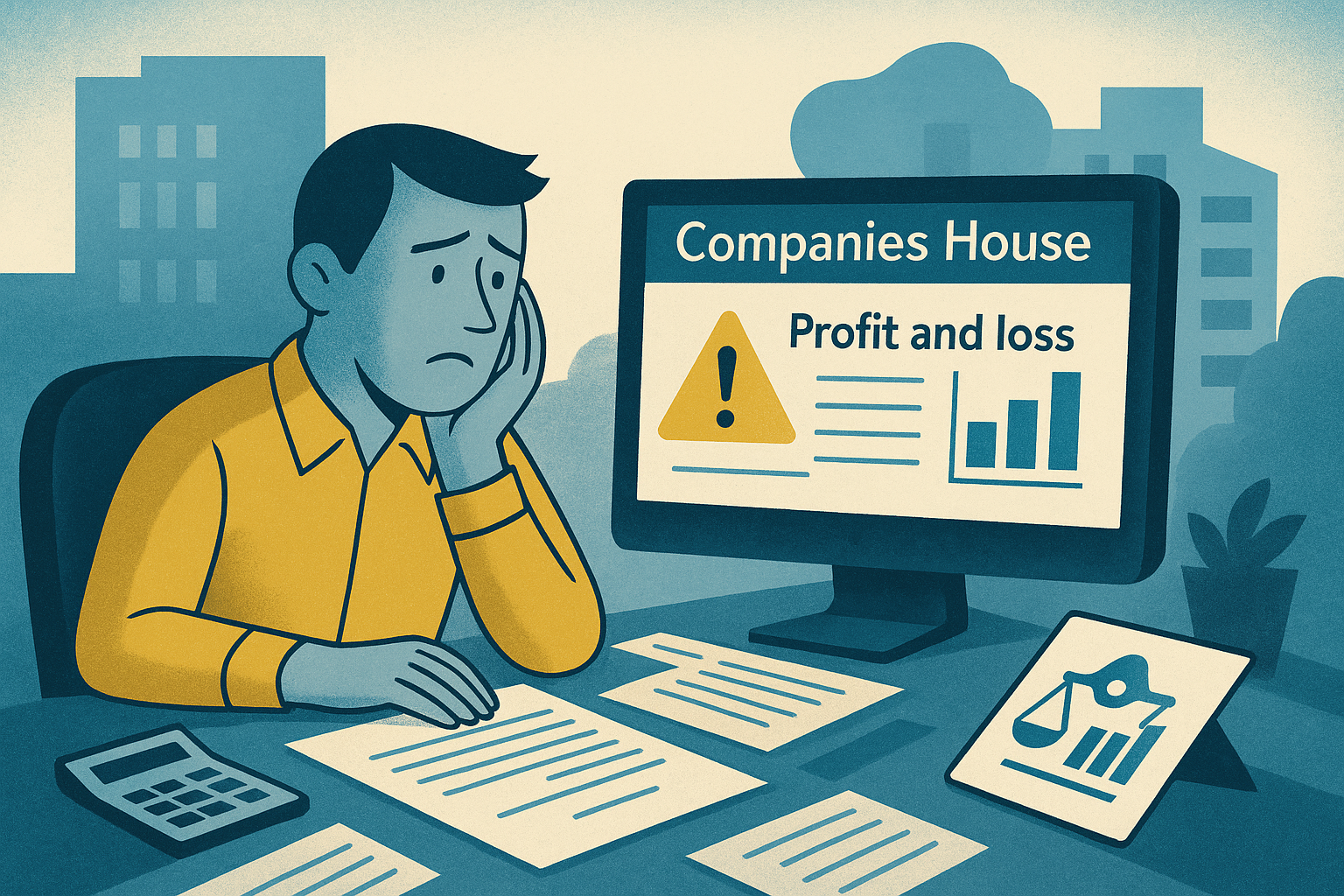
Thousands of small businesses across the UK are expressing concern over new Companies House regulations requiring the disclosure of sensitive financial data and the use of commercial software for filing accounts. From April 2027, small and micro businesses will need to submit a profit and loss statement as part of their annual accounts, ending exemptions that previously protected them from public financial disclosures.
Additionally, Companies House has confirmed that all limited companies must use commercial accounting software to file accounts, as it phases out its web-based and paper-filing systems. This change is intended to improve data accuracy and quality and reduce fraud.
Business leaders warn that these reforms could increase costs, complexity, and commercial risks for smaller firms already facing inflation and rising taxes. Martin McTague, national chair of the Federation of Small Businesses (FSB), stated that small business owners are worried about being forced to adopt new systems, adding costs and upheaval.
McTague also expressed concern over the requirement to file profit and loss accounts, previously only required of larger firms. He fears this could allow competitors to examine margins and give larger companies an unfair advantage in negotiations with smaller suppliers.
These new rules are part of a broader corporate transparency overhaul enacted under the Economic Crime and Corporate Transparency Act. The government and Companies House have been under pressure to enhance the integrity of the UK’s business register following scandals involving shell companies and fraud.
Companies House stated that software filing is crucial for improving data accuracy and quality by reducing errors and speeding up processing times, which will aid in detecting and preventing fraud. However, critics argue that these changes might penalise law-abiding small companies by removing privacy protections.
Currently, small and micro-entity companies can file abridged accounts with limited financial detail, a policy designed to reduce red tape and protect confidentiality. From 2027, abridged accounts will no longer be permitted. The reforms will also affect audit exemption thresholds and potentially alter accounting reference periods, with further announcements expected.
Despite a public consultation in 2019 and legislation passed last year, many small business owners feel blindsided by the recent notification. Claire Bennet, an accountant in Nottingham, noted that many directors were unaware of the upcoming changes and are now questioning software requirements and costs.
Companies House has communicated directly with all registered UK companies to allow ample preparation time. Critics warn these changes may deter prospective entrepreneurs from incorporating limited companies, traditionally an accessible way to start a business. McTague stated that the system could become less friendly for small business owners, risking the discouragement of innovation and start-ups.
The FSB advocates for transitional support, simplified reporting tools, and clarity on how profit disclosures will be used. While business transparency and fraud prevention are critical, many in the SME sector fear the current approach may be too rapid, potentially affecting competitiveness and confidence in the small business ecosystem.