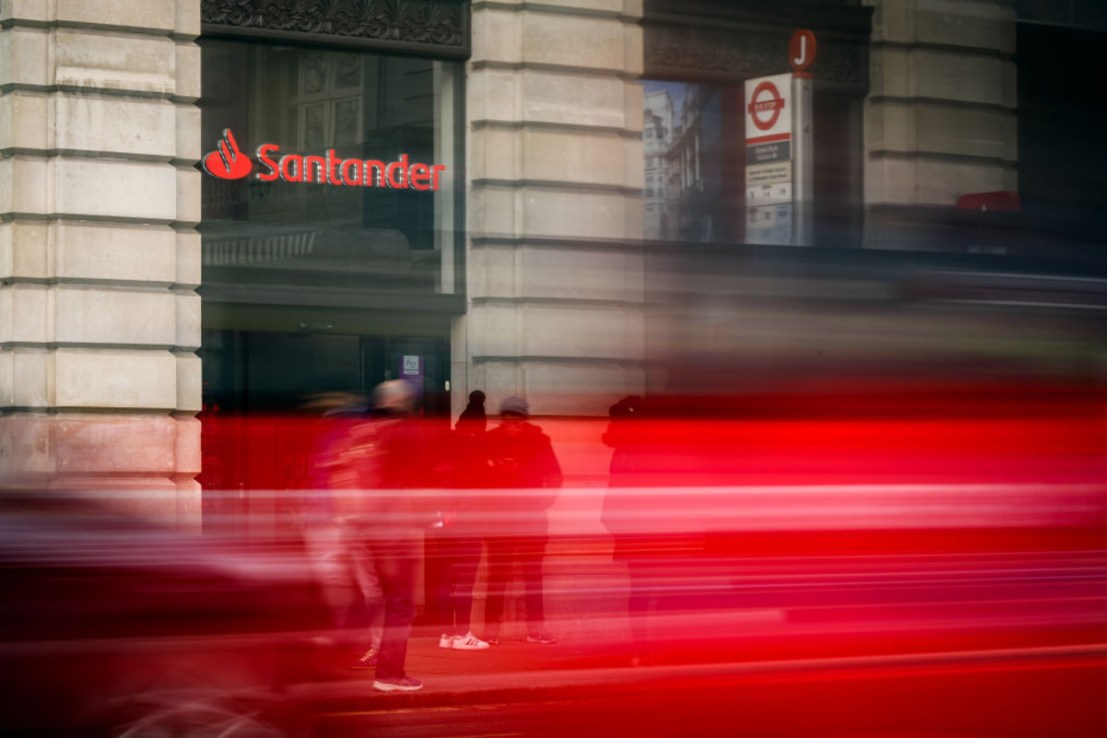
Santander has rejected an £11bn offer from NatWest for its UK retail banking business, with sources indicating the bid was deemed too low. The two banks are reportedly no longer in discussions, despite ongoing speculation about the future of the Spanish lender’s British division.
The move comes amid a broader strategic overhaul at Santander, which is shifting its focus towards the Americas and away from its more mature European markets. This pivot has fuelled persistent rumours that the bank could look to dispose of its UK operations — speculation it has repeatedly denied.
Rather than an outright sale, Santander has instead pursued regulatory approval to spin off its motor finance business, which has been hit by a near-£300m liability due to the ongoing motor finance mis-selling scandal. The bank has also announced it will close 95 branches as part of its operational restructuring.
In a further sign it is rebalancing its portfolio, Santander revealed this week that it had raised €7bn (£5.9bn) from the sale of a significant stake in its Polish unit to Austria’s Erste Bank. It is expected the proceeds will be reinvested into core markets in the Americas, helping to ease any immediate pressure on the bank to divest its UK arm.
Had it gone ahead, NatWest’s offer would have marked the largest UK banking acquisition since the financial crisis. The approach signals NatWest’s growing dealmaking appetite as its return to full private ownership nears. The government, which has held a stake in the bank since its partial nationalisation in the wake of the 2008 crash, is expected to divest its remaining shares before the summer.
NatWest’s leadership has already hinted it may become more acquisitive once the bank is fully in private hands. Chief executive Paul Thwaite said during a recent results call that the bank continues to assess the market from a mergers and acquisitions perspective.
“As many of you have heard me say before, it’s a high bar both financially and operationally. It needs to be absolutely compelling from a shareholder perspective,” Thwaite commented.
A spokeswoman for Santander reaffirmed its commitment to its UK business, stating: “As we have said, the UK is not for sale and is a core part of Santander’s diversified business model which is proven to deliver attractive, sustainable returns over the long term.”