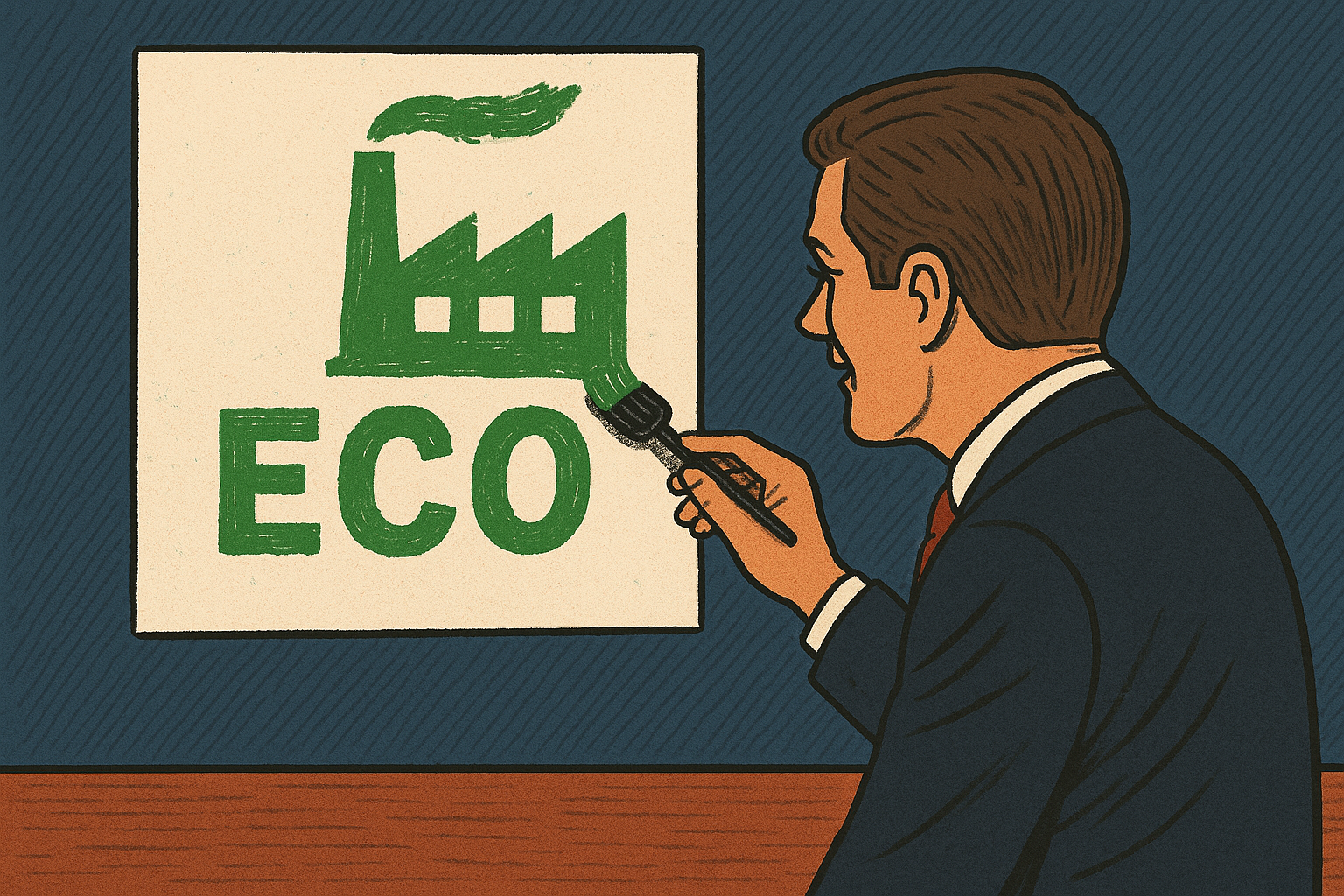
Owais Khan, Research Fellow at Aalto, reveals that purchasing professionals are just as likely to buy greenwashed products as those with genuine sustainability certifications.
The study analyses more than 460 purchasing managers’ choices in three scenarios: buying laptops, safety gloves, and copy paper. Their willingness to buy certain products was calculated by asking them how much more they would be willing to pay for one product compared to another.
One possible reason for eco-labels being ineffective is the overwhelming number of them across markets, according to Khan. With over 400 different certifications worldwide, the lack of standardisation creates confusion.
As a result, official credentials often appear just as legitimate as unverified claims.
The study notes that time constraints, organisational pressures, and overwhelming information flows may also impact purchasing managers’ abilities to verify a product’s sustainability.
In response, Khan says organisations should offer sustainability literacy programmes for purchasing professionals that focus on how to detect deceptive marketing tactics and differentiate between high- and low-credibility certifications.
At the regulatory level, firms must be held to a stricter standard of verification before they can claim their products are sustainable. These standards must be backed up with more vigilant enforcement mechanisms.
Governments and industry associations must also play a role, supporting the consolidation of eco-labels, restricting how many are circulating in markets to ensure they better retain their value.
“This study underscores the need for structural reforms in sustainability certification, regulatory oversight, and corporate sustainability education. Greenwashing has often been framed as a consumer issue, but these findings reveal that it also affects corporate procurement. Addressing this issue requires collaboration between businesses, policymakers, and certifiers to enhance transparency, standardisation, and trust,” says Khan.
This study was published in the journal Scientific Reports.