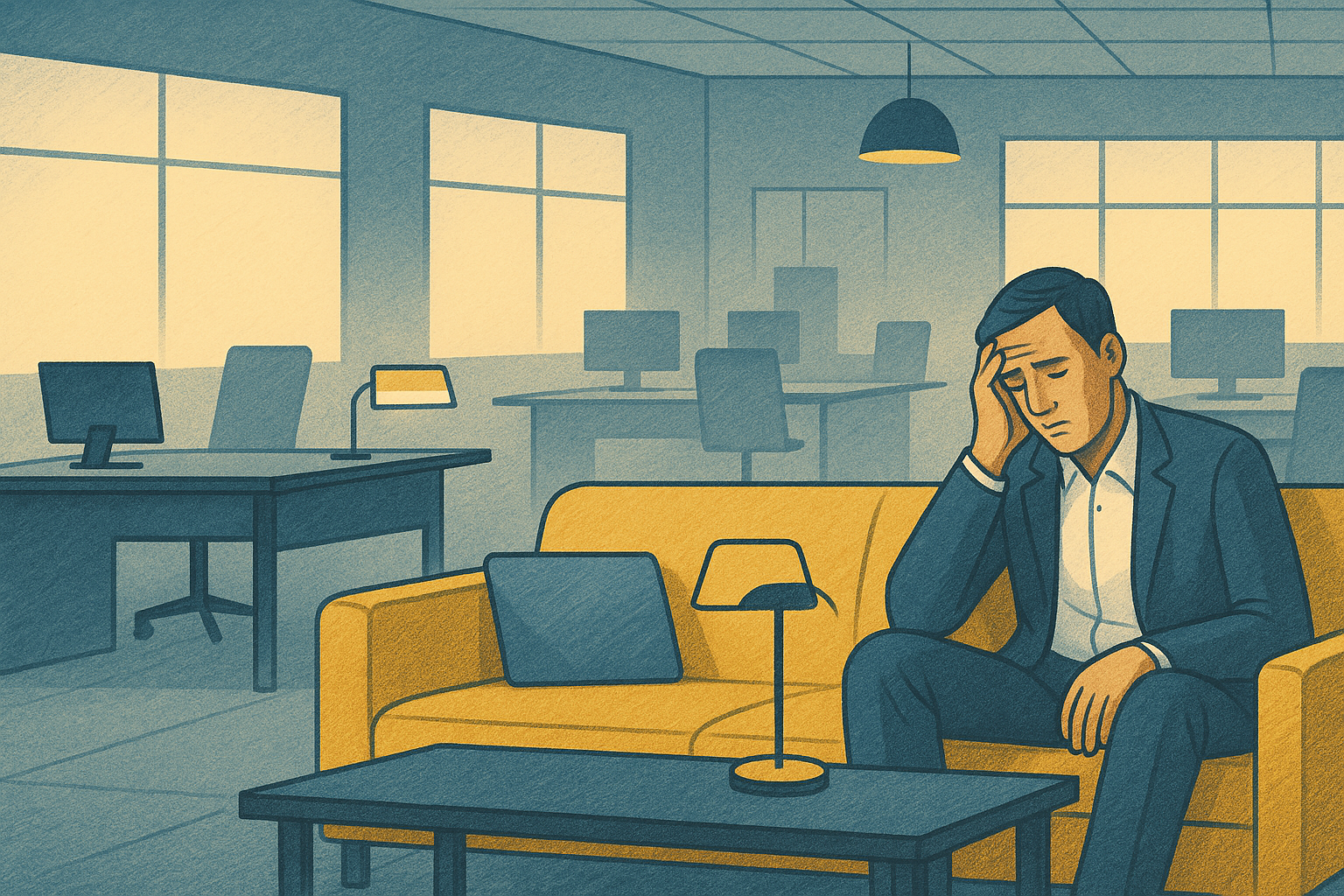
Private mental healthcare provider Onebright has reported that older millennials now account for nearly a quarter of all mental health referrals, underscoring growing pressure on professionals navigating midlife and mid-career demands.
According to new data released by the York-based organisation, 25% of all outpatient referrals between 2023 and 2025 came from people aged 35–46 — a figure rising by around one percentage point each year. The increase has persisted despite broader access to wellbeing services and mental health resources across UK workplaces.
The average age of employees seeking support was 37, with women (58%) more likely to access help than men (42%).
“This age group is at a crunch point in life,” said Sarah Carter, Head of Account Management at Onebright. “They’re likely to be managing teams at work while raising young children at home and dealing with the financial strain of mortgages or trying to get on the property ladder.”
Carter added that many are “sandwiched between caring for children and parents while trying to perform at work and keep finances afloat.”
Referral rates were highest in industries where millennials occupy management positions — including recruitment and staffing (31%), real estate and property services (33%), and media and entertainment (33%). The sharpest year-on-year increase was seen across engineering, manufacturing, and construction, which recorded an 8% rise in 2025 to reach 35% of all referrals.
Across all demographics, 67% of Onebright’s referrals were diagnosed as stress, anxiety, or depression — conditions particularly acute among those in their late thirties and early forties managing competing personal and professional demands.
“Catching mental health issues early means employees are less likely to need extended time off work and recover more quickly,” said Carter. “The key is spotting the warning signs — working longer hours without breaks, becoming impatient or withdrawn, difficulty concentrating, disrupted sleep, or changes in eating and exercise habits.”
Carter said companies that “understand the life stages their people are navigating can build targeted support that helps reduce absenteeism and presenteeism.”
“When you’re pulled in multiple directions, it’s likely that your mental health will suffer,” she added. “We’re seeing more people in their late thirties and early forties recognising they need professional support before they reach breaking point.”