
-

Pay transparency rules are moving from principle into payroll practice. EU requirements will affect salary disclosure, employee pay-data rights, reporting, and equal-pay enforcement.
-

City competitiveness is shifting from strategy into delivery pressure now. TheCityUK says investment confidence depends on faster reform, clearer regulation, and capital mobilisation.
-

Steel nationalisation powers would widen government intervention in industry again. The bill would create a framework for public ownership where ministers judge intervention to be in the public interest.
-

New net-zero rules will reshape corporate climate governance worldwide again. SBTi’s Corporate Net-Zero Standard V2.0 puts implementation, transparency, and progress reporting at the centre of target-setting.
-

Global ad growth faces a geopolitical stress test this year. WARC says Hormuz disruption could put nearly $94bn of projected advertising investment at risk.
-
Late payment reform would redraw commercial terms for UK suppliers. The Commercial Payments Bill would cap payment terms, strengthen interest rights, and expand Small Business Commissioner powers.
-
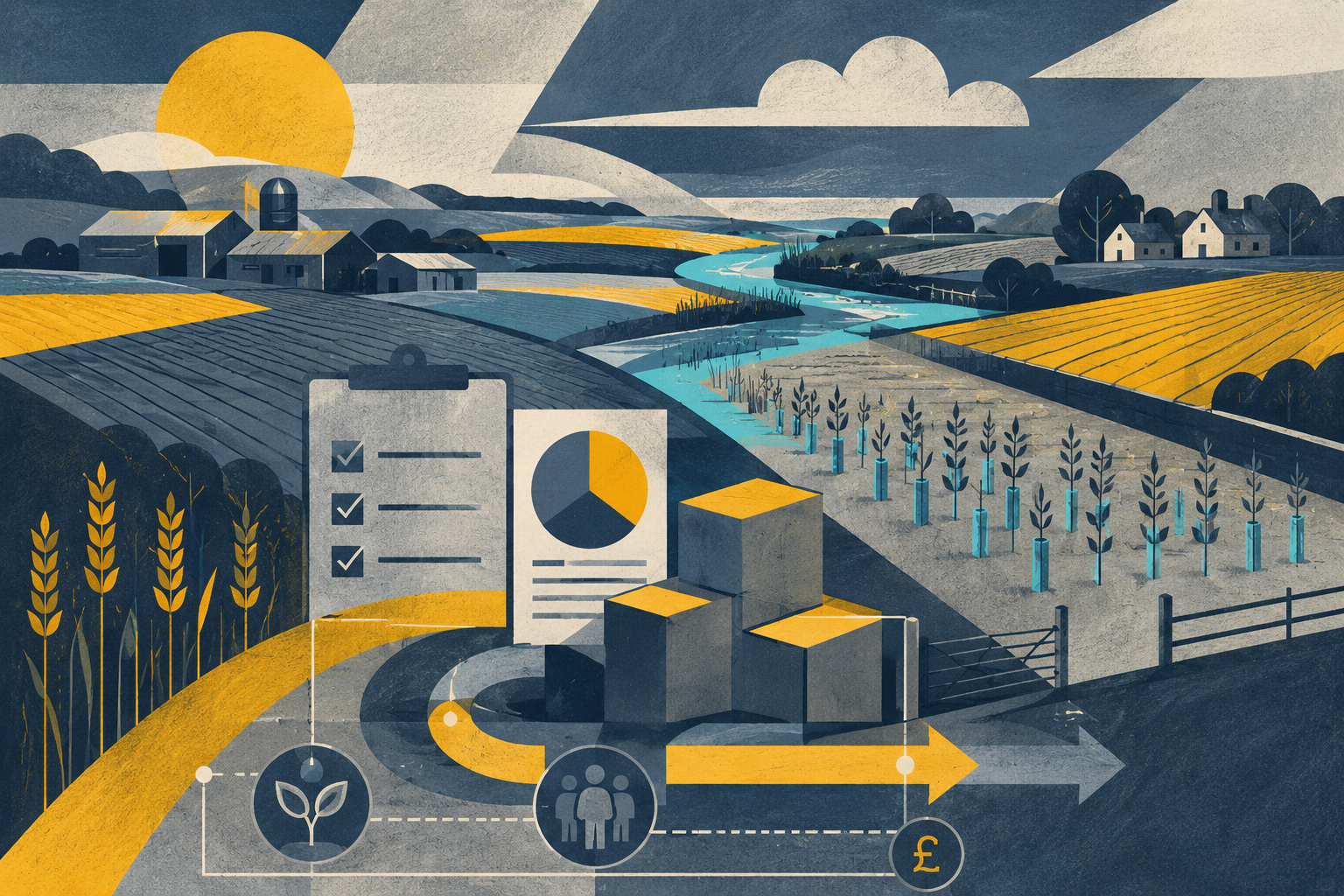
SFI funding gives England’s farming transition a constrained restart now. Defra has confirmed £240m for new Sustainable Farming Incentive agreements.
-

GHG Protocol faces renewed scrutiny after a board resignation. The dispute raises governance questions around carbon accounting standards used in corporate climate reporting.
-

Cardiff Capital Region has passed its second UK Gateway Review. The approval unlocks £134 million in UK Government funding to support economic growth, jobs, skills, and priority sectors across South East Wales over the next five years.
-

AI use is rising faster than workforce readiness levels. Skillsoft says 86% of employees use AI, but only 24% feel fully equipped.