Global markets reacted sharply on Friday morning as Israel launched a large-scale military strike on Iranian targets, escalating one of the most dangerous flashpoints in global geopolitics. The Israeli Defence Forces confirmed a coordinated aerial operation had targeted military and nuclear sites in Iran, including facilities linked to the Islamic Revolutionary Guard Corps (IRGC).
According to early reports from the region, the offensive involved more than 200 aircraft and struck over 100 locations, including suspected nuclear enrichment facilities and air defence installations. Iranian state television confirmed that explosions were heard in multiple cities including Isfahan, a key location in the country’s nuclear infrastructure.
The strike follows rising tensions over Iran’s uranium enrichment activities, which have drawn repeated warnings from Western governments and the International Atomic Energy Agency. Earlier this month, the IAEA passed a formal resolution declaring Iran to be in breach of nuclear non-proliferation obligations — the first such censure in nearly 20 years.
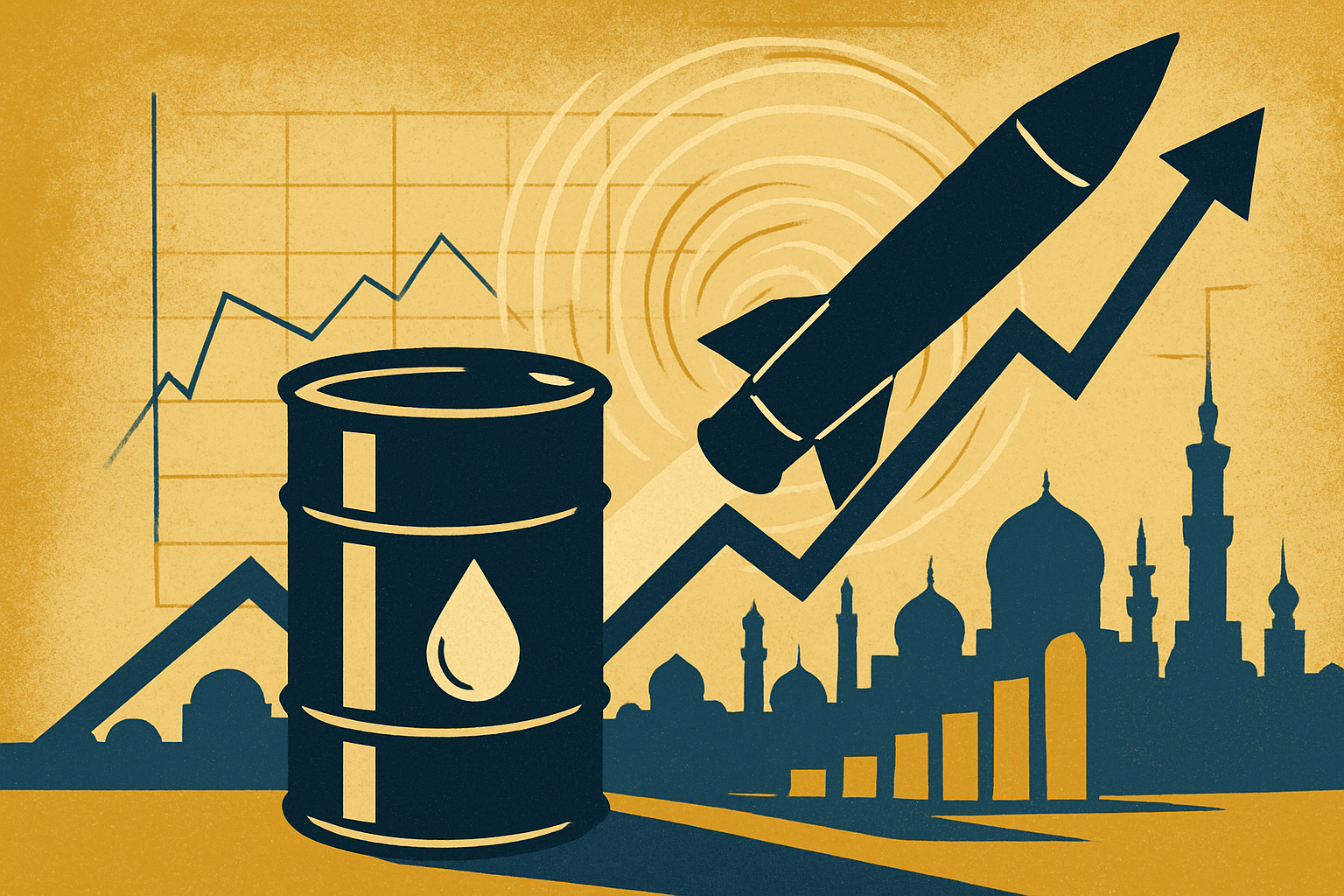
Brent crude surged by nearly 10% in the immediate aftermath, with traders pricing in a significant risk premium amid fears of disruption to oil production and shipping routes across the Gulf. Analysts warned that any Iranian retaliation could prompt further supply chain shocks, particularly if commercial shipping lanes are affected.
Equity markets were similarly unsettled. The FTSE 100 and European indices dropped by more than 1% on opening, with declines seen across energy-intensive and travel-related sectors. Gold prices rose, alongside a strengthening US dollar and demand for government bonds, as investors sought safe-haven assets.
“The scale of this action and the stakes involved could prompt a major repricing of geopolitical risk,” said Neil Wilson, chief market analyst at Finalto. “It’s not just about oil — this is a high-stakes moment for diplomacy, inflation, and global growth forecasts.”
While no official response from Tehran had been issued at the time of writing, regional analysts warned that retaliatory missile or drone attacks remained a distinct possibility. The White House and EU leaders are expected to issue coordinated statements urging de-escalation, though no formal UN resolution has yet been tabled.
For businesses and investors, the immediate focus will be on the potential for prolonged supply disruption and the inflationary impact of sustained energy price increases. Some analysts warned that central banks may face renewed pressure to balance inflation containment with economic support, should energy prices fuel further volatility.
Markets will remain on high alert over the coming days, with particular scrutiny on Iranian military movements and any signals of intent from Israel’s allies or adversaries. In the short term, defensive sectors are expected to outperform, while consumer-facing and energy-intensive industries may see further losses if the conflict expands.