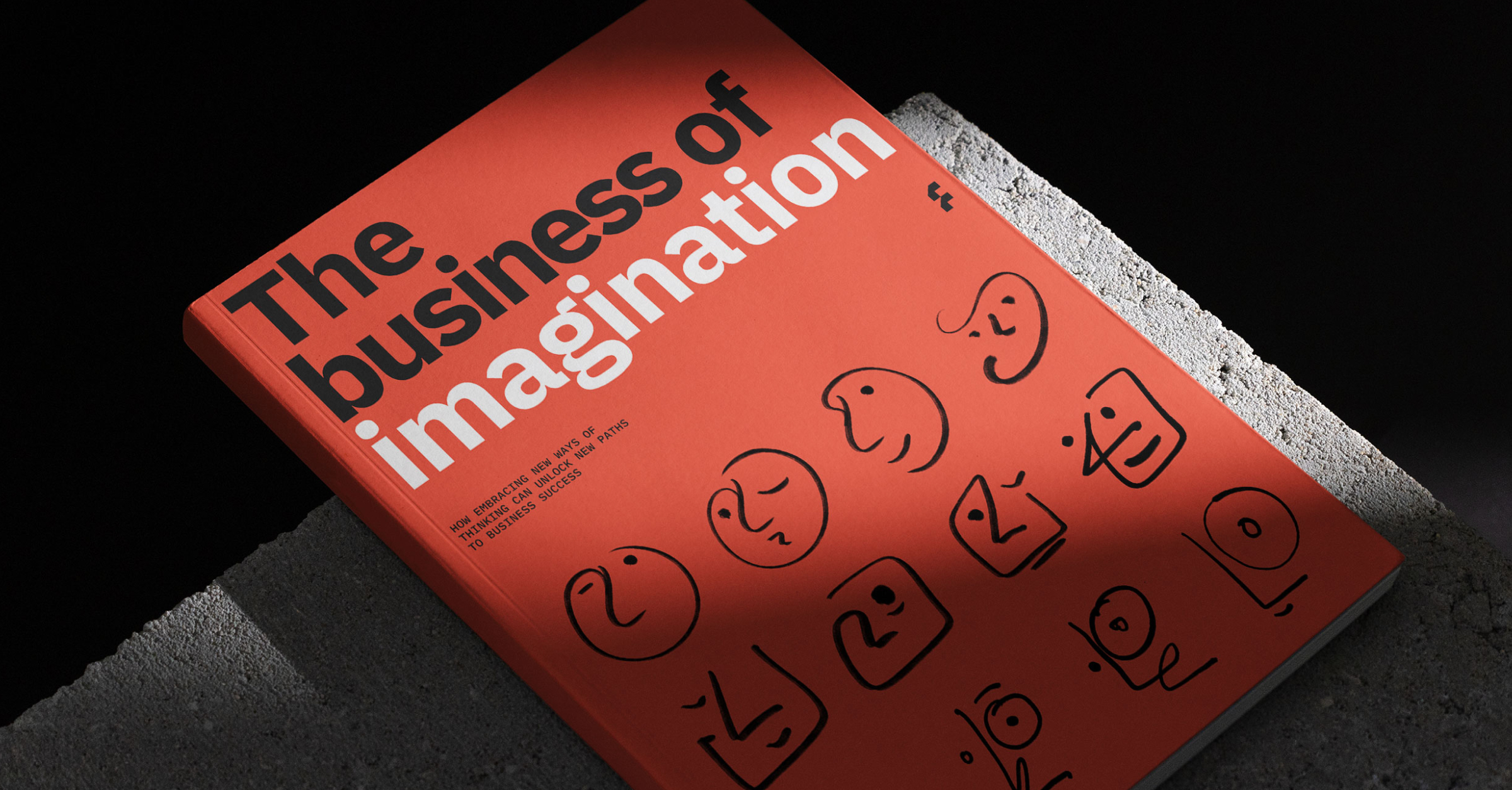
New research released today by B2B consultancy, The Frameworks, reveals that companies which actively invest in imagination are more likely to report considerable growth and outperform their peers.
The study shows that businesses which encourage creativity, experimentation and forward-thinking outperform less imaginative organisations on multiple measures, from revenue growth to future-readiness.
The report, The business of imagination – how embracing new ways of thinking can unlock new paths to business success, was commissioned by the Frameworks using a Censuswide survey of 500 senior decision-makers in the UK and US, at companies with more than 500 employees.
The report also includes expert insight from EY, Aon and Hubspot, providing real life context to the business challenges faced by leaders.
It highlights the tangible benefits of imagination-led working cultures, and the risks of falling behind for those who deprioritise it.
Among the most imaginative companies surveyed:
- 58% reported considerable revenue growth over the past year
- 63% are performing significantly better than their competitors
- 76% describe themselves as “very resilient”
- 84% are highly confident in their ability to seize new opportunities
By contrast, companies with the lowest imagination scores were far more likely to report falling revenue, weak performance and poor resilience.
The research identifies four key behaviours that help drive imagination in business:
- Collaboration – encouraging co-creation and idea-sharing across teams
- Failing fast and looking to the future – being future-focused and open to risk
- Letting ideas come from anywhere – empowering all employees to contribute
- Investing in creativity – committing time, budget and leadership support
The findings underscore the unique power of imagination in an increasingly AI-enabled world.
While data and automation can support decision-making, it is human creativity, empathy and curiosity that unlock long-term strategic potential.
The report warns that over-reliance on technology without an equal focus on imagination could leave businesses vulnerable to stagnation.
The Frameworks also conducted in-depth interviews with senior leaders from marketing and strategy roles across a range of industries. Many emphasised that imagination plays a key role in problem-solving, brand identity and internal culture – with one describing it as “a synonym for purpose.”
Ben Bush, Partner at The Frameworks said: “Imagination isn’t a nice-to-have. It’s a core business capability that drives growth, resilience and innovation. The companies embracing it are setting themselves apart, not just in how they operate, but in how they lead.
“The most successful organisations are those that empower people to think differently, challenge the status quo and bring bold ideas to life.”
The full report is available to download now here.