
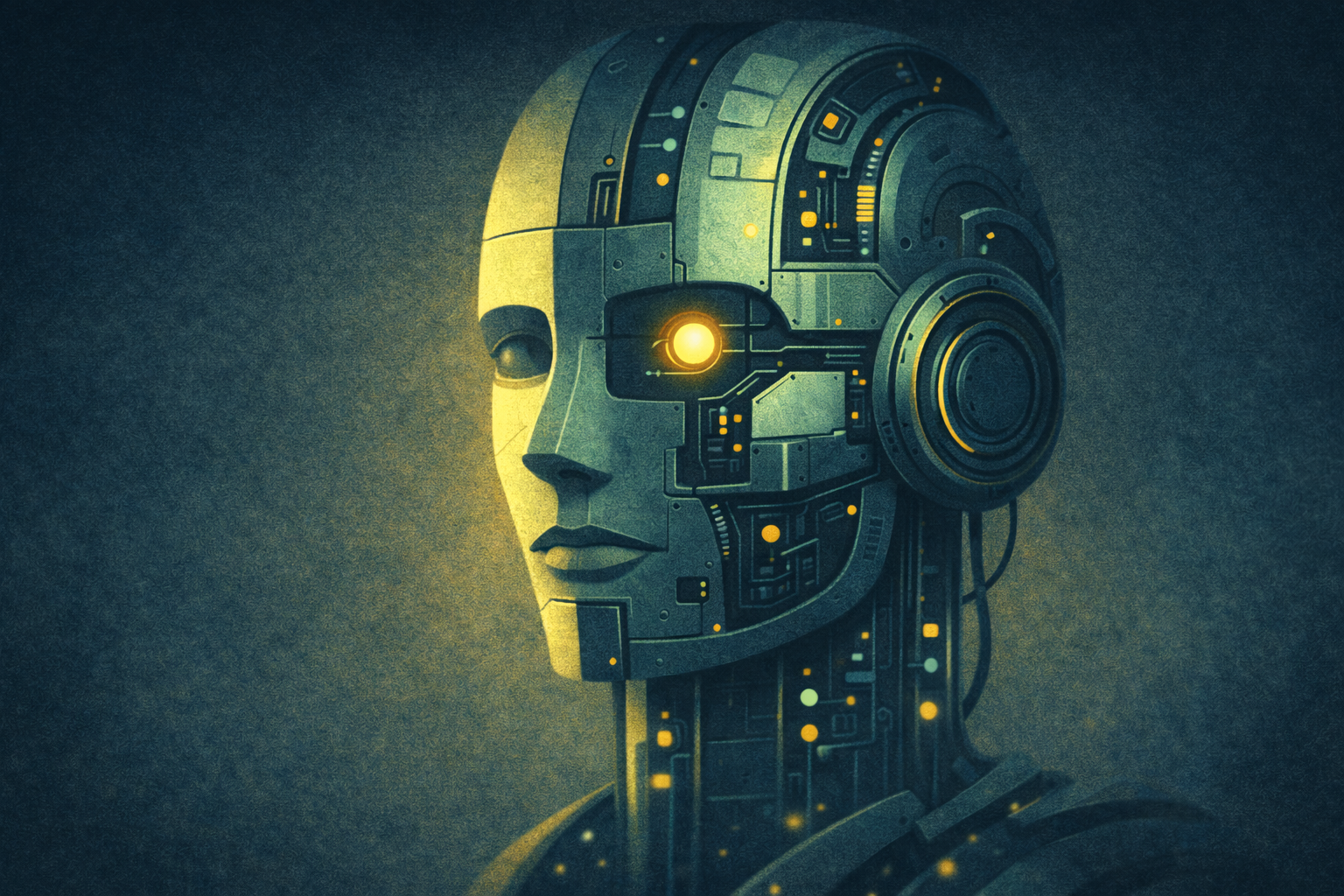
Gucci has faced criticism following its use of AI-generated images to promote its upcoming show at Milan Fashion Week. The Italian luxury brand shared a series of polished visuals on social media, some labelled as ‘created with AI’, to preview creative director Demna Gvasalia’s debut show for the house. These images feature a glamorous older woman in a fur coat, stylised car pictures, and models posing under a night sky.
Despite being clearly marked as AI-generated, the posts quickly attracted criticism from followers questioning how synthetic imagery aligns with Gucci’s traditional focus on craftsmanship and heritage. Comments included remarks such as “Bleak days when Gucci can’t find a real human Milanese grandmother,” in response to an image of an older woman in a vintage Gucci look. Other users described the visuals as “cheap” and “AI slop,” a term used online for low-quality, mass-produced AI content.
Gucci’s exploration of AI follows various fashion houses experimenting with the technology amid rising costs and the pressure to modernise. Previously, Gucci has commissioned AI-generated digital art, which was later auctioned as NFTs by Christie’s. In December, the brand released an AI-created runway video depicting photographers tumbling over each other to capture a model.
However, the stakes are higher when AI replaces photographers, make-up artists, stylists, models, and production teams in core marketing campaigns, especially for a brand whose handbags retail for hundreds to thousands of pounds.
Valentino recently faced a similar backlash after posting AI-generated adverts, which followers described as “lazy” and “embarrassing.”
Meanwhile, on the high street, Zara has introduced AI-generated models and a virtual try-on feature, while also using AI to alter images of human models for its e-commerce platforms to cut costs. Models previously working for the brand were contacted by the retailer for permission to digitally alter their photos to dress them in new clothes.
With the IMF predicting that AI will affect 40% of jobs, there is growing concern among creatives about job stability. Roles involved in producing e-commerce content, like Zara’s, are at the centre of this labour market shift, where AI gains could lead to significant job displacement.


You must be logged in to post a comment.